
What is a Gulet? A Comprehensive Guide to History, Design, and Charter Life
If you are wondering "what is a gulet?", it is a traditional Turkish wooden sailing vessel that has evolved into a premier luxury charter yacht. Interestingly, while a typical gulet takes about a year and a half to construct, with proper maintenance and care, these magnificent vessels can sail for over 30 years.
The story behind these handcrafted Turkish wooden sailing vessels is truly fascinating. Originally designed as simple fishing and trading boats, they have evolved into highly sought-after luxury gulet charter experiences. Today, they offer a unique blend of old-world charm combined with modern comforts and advanced navigation systems. They perfectly illustrate Turkey's coastal transformation from a fishing economy to a top international yachting destination.
A typical gulet charter can host between 6 to 20 passengers on boats ranging from 15 to 40 metres in length. A standard Turkish gulet features two or three masts. While they can sail, most modern gulets rely on one or more large marine diesel engines for reliable cruising. The boat's broad beam, low profile, and weighted hull create remarkable stability and comfort at sea.
These wooden vessels stand out due to their practical design and luxury features. Though primarily engine-powered, they can sail beautifully under the right conditions, offering a magnificent sight and an eco-friendly way to cruise. Modern gulet yachts feature spacious en-suite cabins, al fresco dining areas, and expansive lounging decks. Additionally, they often carry a range of water toys for guests to enjoy. A professional crew manages all aspects of the charter, ensuring a seamless holiday.
In this detailed guide, we will explore everything you need to know about these magnificent vessels. From their rich maritime history to what you can expect on a modern luxury gulet cruise, it is time to discover the world of gulets!
Learn more about gulets and charter experiences:
| Gulet vs Sailing Yacht | Gulet Charter Prices Explained
The Origins of the Traditional Turkish Gulet Yacht
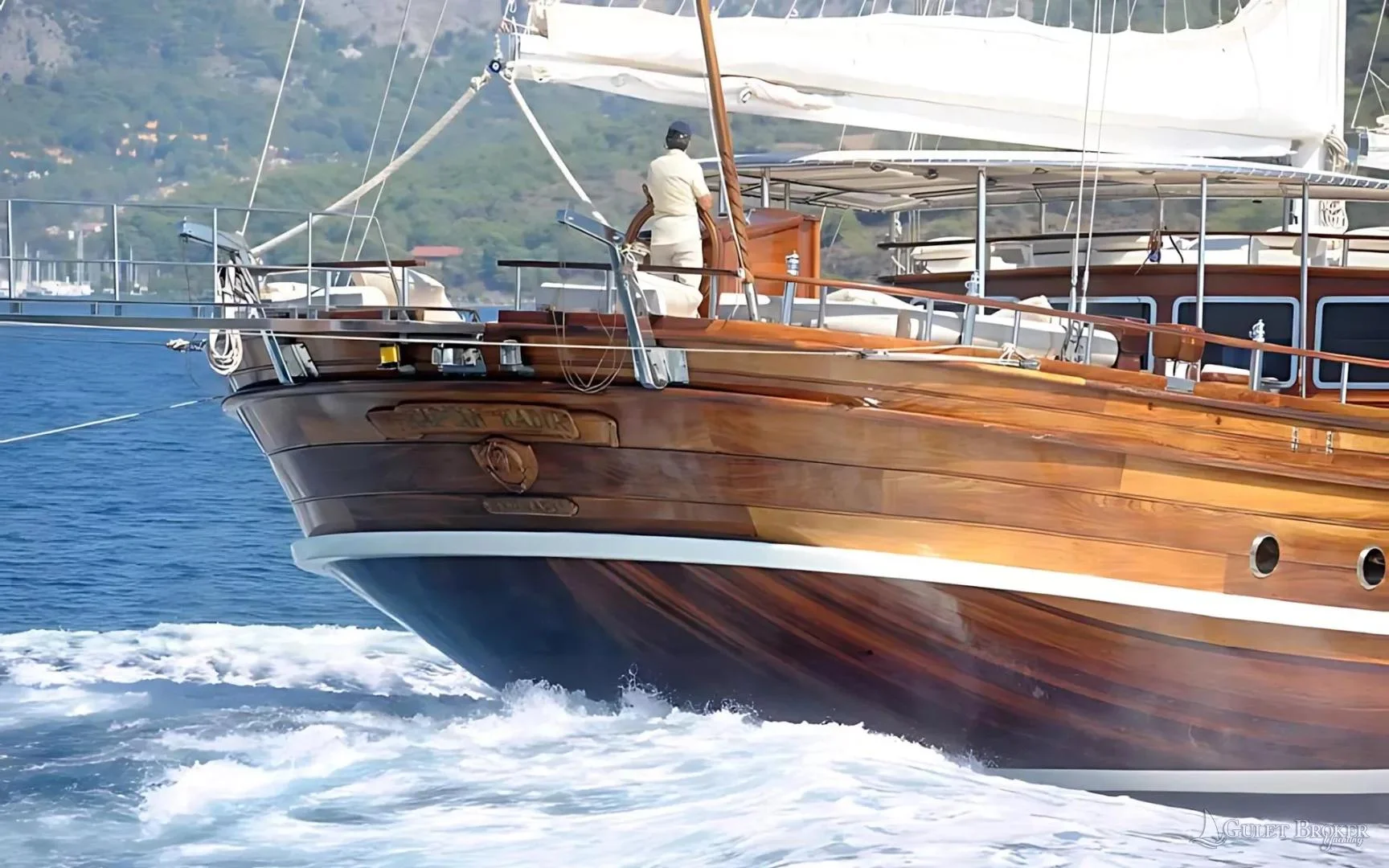
The roots of the gulet date back hundreds of years into the maritime heritage of the Mediterranean and Aegean seas. These vessels started as practical working boats rather than pleasure crafts. They became the lifeline of coastal communities, supporting countless fishermen, sponge divers, and merchants along Turkey's beautiful shoreline.
From fishing vessels to cultural icons
The gulet's story begins with simple working vessels. These strong wooden boats helped transport goods such as fruit, olive oil, and textiles between coastal towns and villages. The boats' wide frames and shallow drafts made them perfect for coastal navigation and docking in small harbors—features entirely suited to Turkey's rugged coastline.
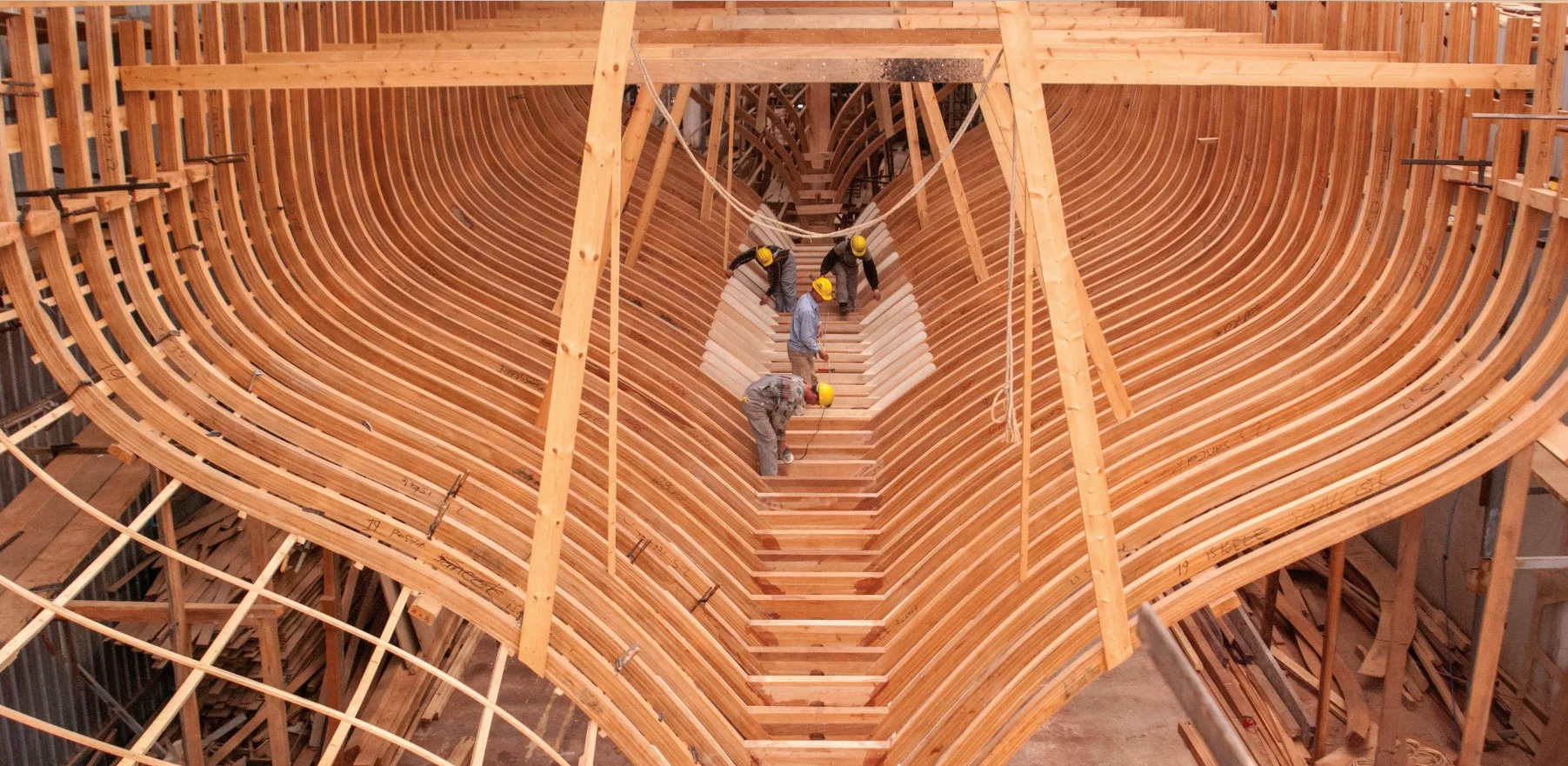
In their early days, local fishermen and merchants operated these simple, sail-powered vessels. The boats' hulls, built from pine and mahogany, proved exceptionally durable and seaworthy. This solid construction made them famous for their dependability in the challenging waters of the eastern Mediterranean.
During the mid-20th century, these working boats began transitioning into leisure crafts. This shift aligned with Turkey's growing tourism industry and the worldwide interest in Mediterranean coastal experiences. A significant turning point occurred when exiled Turkish writer Cevat Sakir Kabaagacli, known as the "Fisherman of Halicarnassus," started using these gulets for recreational yacht holidays.
Related reading on early gulet cruising: What Is a Blue Cruise? | History of Gulet Boats |
Best Blue Cruise Routes in Turkey
By the 1970s, these practical vessels gained widespread popularity as yachts. Consequently, their designs were modified to create more space for relaxation and accommodation as gulet cruises became highly sought after.
The role of Bodrum and Marmaris in gulet history
Bodrum's shipbuilding heritage plays a key role in gulet history. The city's yacht construction dates back to ancient times and continued through the Ottoman era with few interruptions. The area subsequently became famous for its skilled wooden shipbuilders, who refined their craft over generations.
The Ottoman period saw new shipyards pop up in different regions at the start of the 19th century. This happened primarily because Istanbul couldn't build enough war vessels. Bodrum's shipyards, along with places like Sinop and Gemlik, started building galleons in the early 1800s.
While galleon construction in Bodrum stopped during the mid-19th century, boat building continued for fishing, sponging, and trade with nearby islands until the mid-1930s. The construction of the modern "Bodrum-type" gulets officially started in the early 1970s as coastal tourism flourished.
Rising demand resulted in the spread of gulet construction to Bozburun, Marmaris, Fethiye, and Istanbul. These coastal towns' shipyards preserved traditional building methods and skills while simultaneously integrating new marine technology and state-of-the-art features.
Influence of Ottoman and Mediterranean shipbuilding
The earliest gulet vessels likely took their inspiration from Phoenician and Greek shipbuilding traditions. They later became reliable coastal ships during the Byzantine and Ottoman periods. Ottoman-era gulets served many purposes, ranging from fishing boats to cargo carriers and even coastal patrol vessels.
The word "gulet" itself reflects these mixed cultural influences. It likely originated from either the Italian word "goletta" or the French "goélette," both meaning "schooner." This etymology highlights the boat's deep ties to broader Mediterranean maritime traditions.
The gulet's design grew in a unique way to embrace the waters of southwestern Turkey. Builders historically made a pointed-end boat called the "tirhandil" for fishing and small sailing excursions. Later, Bodrum's shipwrights preferred rounded sterns, which offered much larger decks and significantly more storage and relaxing space for guests.
The designs of the 1970s reflected how the traditional gulet had evolved. These newer boats, known as Bodrum-type schooners, featured added cabins and spacious aft deck seating to meet the growing needs of the tourism industry.
Over centuries of improvements, the traditional Turkish gulet has managed to retain its unique character while adapting to modern needs—ultimately enhancing Turkey's rich maritime heritage.
How Gulets Evolved into Luxury Charter Yachts
The mid-20th century changed everything for the humble gulet. What was once a practical working vessel would soon evolve into one of the Mediterranean's most sought-after luxury charter options.
The Blue Cruise and the rise of leisure sailing
The story of holiday gulets began with a literary figure known as the "Fisherman of Halicarnassus" (Cevat Şakir Kabaağaçlı), who pioneered the concept of the "Blue Cruise." These leisure voyages along Turkey's peaceful coastal routes helped discover a new kind of tourism that redefined the traditional gulet boat's purpose.
Gulets became incredibly popular as pleasure vessels by the 1970s. Their designs evolved to create more spacious decks and interiors, as travelers desired more comfort at sea. The "Blue Cruise" concept became widely available and popular throughout the 1980s, thereby laying the foundations for today's successful yacht charter industry.
Shipbuilding grew rapidly during this period, with many workshops and yards opening in Bodrum and beyond. Early concerns about gulets being "bulky, slow, and not suitable for sailing" soon faded away as newer vessels proudly proved themselves in prestigious events like the Bodrum Cup Wooden Yachts Race.
Modern upgrades while preserving tradition
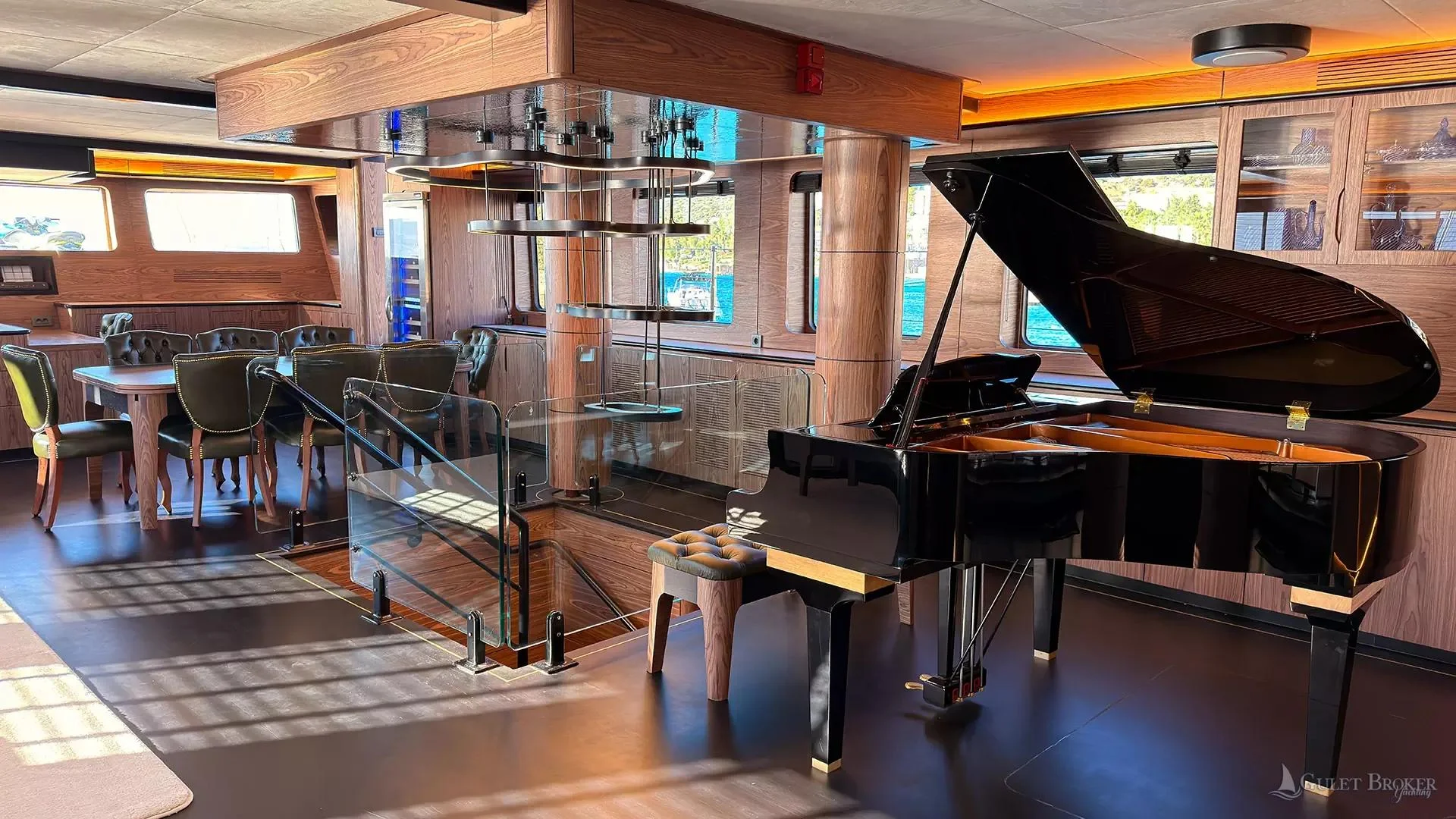
Today's gulets keep their iconic silhouette and traditional charm, even after taking aboard significant modern upgrades. Modern vessels are constructed from high-quality woods like teak and mahogany. They now offer spacious cabins with en-suite facilities, expansive sun decks, and elegant dining areas. You can explore Turkish gulets to see how these luxury features are applied in modern charter fleets.
A modern charter gulet's interior refit might include:
- Redesigned, fully equipped, and comfortable salons with premium entertainment systems.
- Upgraded cabins featuring luxury bedding, modern fixtures, and beautiful en-suite bathrooms.
- Modern galley catering kitchens with stainless steel appliances, ensuring they are hygienic, professional, and practical.
- Enhanced bathrooms with elegant ceramic tiling, modern flush toilets, and vanity units.
While retaining their original charm, this mix of heritage and luxury ensures Turkish gulets hold a very special place in maritime travel. Most vessels now come with air conditioning, advanced navigation systems, and water sports equipment. Some ultra-luxury gulets even feature deck jacuzzis that create a true boutique hotel experience at sea.
Luxury Gulet Yacht Examples
- Gulet Dolce Vita | Gulet Queen of Sea | Gulet De Love | Gulet Stella Maris | Gulet Kaan AyazCurious to see real gulet options? Browse all available gulet yachts or explore Gulet Charters in Turkey.
Why gulets became popular for tourism
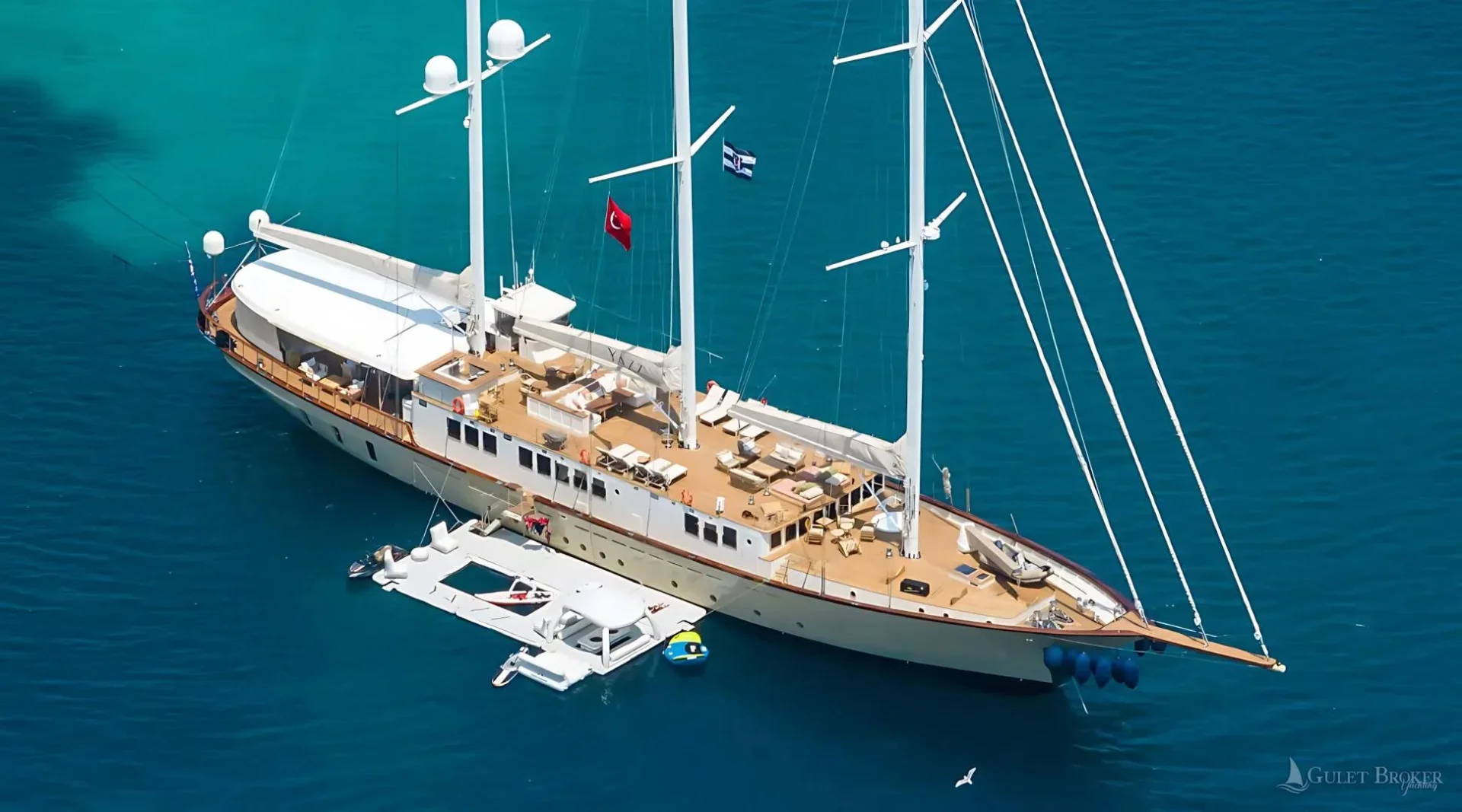
Gulet charters gained massive popularity because they adapted perfectly to Mediterranean cruising. Their broad-beamed design creates incredibly spacious living areas both indoors and outdoors, offering levels of comfort that regular sailing yachts simply cannot match.
The relaxed cruising speed of a gulet (typically 8-10 knots) aligns perfectly with the Mediterranean lifestyle, allowing guests to truly take in the beautiful scenery. While faster motor yachts rush between stops, gulets let guests savor each anchorage, hidden bay, and historic coastal village.
These vessels are fantastic for groups of 8 to 12 guests. They are perfect for family holidays, celebrations with friends, or small corporate retreats. Weekly charter costs for a mid-range gulet offer exceptional value when compared to other luxury yachting options.
The gulet's transformation from a humble fishing vessel to a luxury charter yacht is an incredible story of adaptation. Today, these magnificent wooden yachts continue to grow in reputation while honoring their rich maritime heritage. They create unforgettable experiences for travelers seeking adventure, peace, and relaxation on Turkey's beautiful coastline.
Inside a Gulet: Design, Layout and Comfort
The design of a gulet perfectly balances rustic traditional charm with modern comfort. These vessels showcase centuries-old craftsmanship alongside contemporary amenities, making them unique floating accommodations compared to standard fiberglass yachts.
Typical gulet boat interior and cabin features
Most gulets feature between 4 and 8 air-conditioned cabins, each with its own private en-suite bathroom. You will find cabins with double beds, or a flexible mix of double and twin setups. The quality and size of cabins vary substantially between vessel categories, ranging from standard class to ultra-deluxe.
Deluxe gulet cabins can easily rival boutique hotel rooms, boasting spacious layouts and elegant finishes. These premium spaces offer plenty of storage with hanging closets, drawers, and shelves. Standard gulets, however, offer cozier quarters with basic amenities that are optimized for sleeping rather than spending extended time indoors.
The biggest difference between gulet categories often shows up in bathroom quality. Premium vessels boast separate shower stalls with great drainage and steady hot water pressure. Budget options usually feature 'wet room' setups where the showerhead is located near the toilet, which is standard for smaller traditional boats.
Wooden gulet boat structure and materials
Master craftsmen build these boats using sturdy pine frames and premium hardwoods for finishing touches. They work with teak, mahogany, and iroko, with each type of wood serving a specific purpose throughout the vessel.
Southeast Asian teak handles harsh marine conditions exceptionally well, making it the perfect choice for decking. Mahogany's beautiful grain patterns and natural resistance to rot work great for interior panels and exterior hulls. Modern gulet builds often utilize African iroko as a highly durable alternative to increasingly scarce mahogany.
Crew quarters and guest privacy
Gulets have completely separate, dedicated crew quarters located apart from guest cabins. This setup allows both guests and crew to maintain their privacy throughout the journey. Higher-category boats tend to position crew cabins toward the bow (front), well away from the main guest living areas.
This arrangement helps crew members rest properly, resulting in a higher standard of service for guests. On more budget-friendly gulet options, crew accommodations are generally simpler but still separated from the main guest spaces.
Common amenities on board
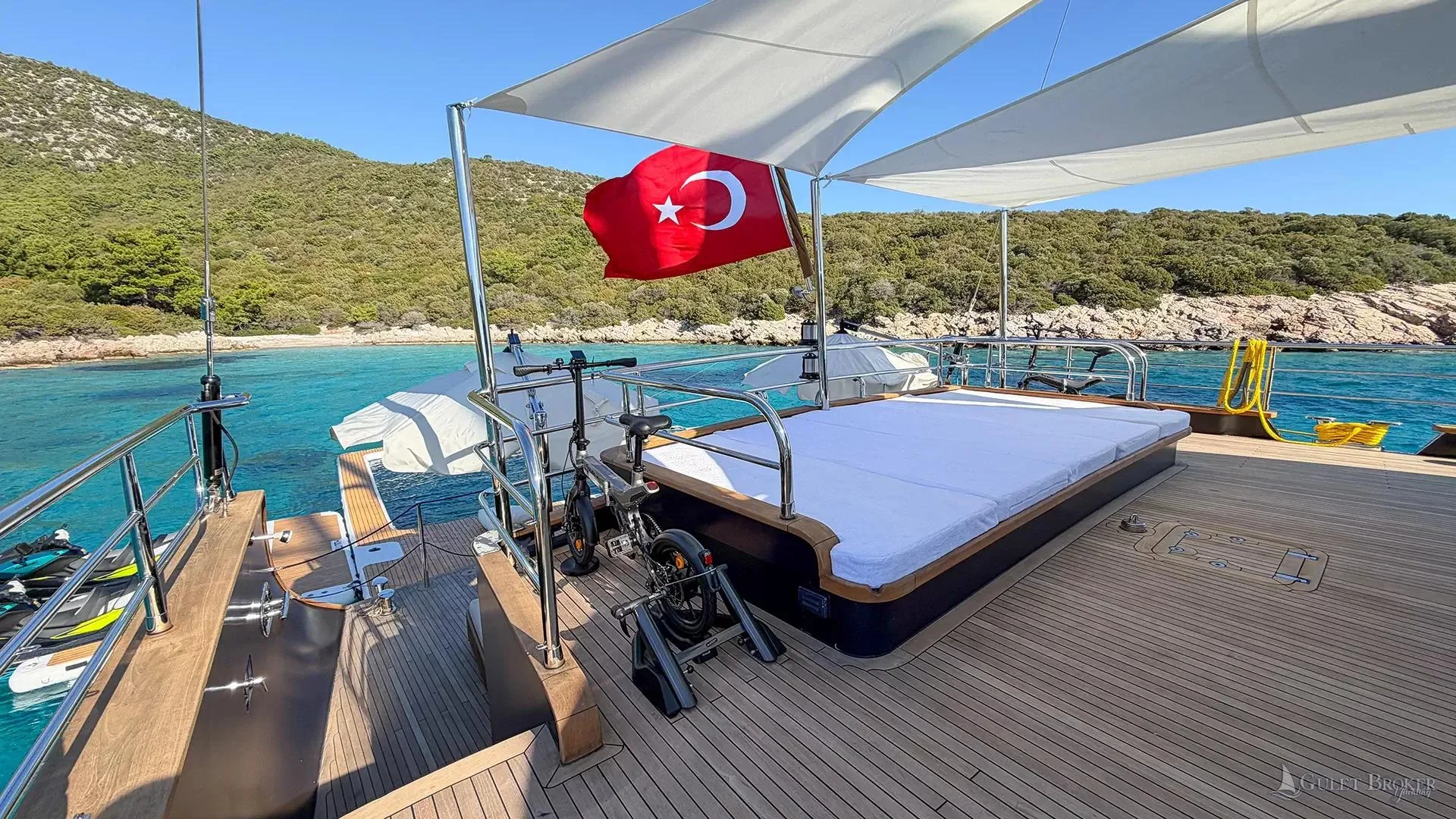
Gulet amenities vary greatly by category. Every gulet features spacious deck areas equipped with sunbathing cushions and shaded outdoor dining spaces. Inside, you will find comfortable saloons usually fitted with modern entertainment systems and air conditioning.
High-end vessels come with luxury touches like on-deck jacuzzis, outdoor cinemas, and multiple lounge areas. Kitchen facilities also make a massive difference in meal quality; premium gulets have full-size refrigerators, freezers, four-burner stoves, ovens, and professional prep areas.
Some ultra-luxury gulet options even provide onboard saunas, massage rooms, and an extensive array of water sports gear.
Ultimately, the gulet layout prioritizes outdoor living with plenty of relaxation areas, while keeping indoor areas comfortable—exactly what is needed to fully enjoy the wonderful Mediterranean climate.
What to Expect on a Gulet Cruise
A gulet cruise seamlessly combines relaxation with adventure, giving you a unique way to explore stunning coastal destinations. The gentle rhythm of these vessels works perfectly for anyone who wants both 5-star comfort and the thrill of discovery.
Daily life on a gulet charter
Your day starts with fresh coffee and a rich breakfast served outdoors in peaceful, secluded bays. You can swim in crystal-clear waters or relax on the sun deck before the captain guides the vessel to your next destination. The gulet typically pauses at midday for a swim while your private chef prepares a delicious lunch. Afternoons can be spent enjoying water activities or going ashore to visit historic coastal villages. The day ends perfectly with a gourmet dinner under a starlit sky.
Dining and onboard service
The culinary aspect is a major highlight of the gulet experience. Your private chef creates three fresh meals every day, prioritizing tasty, locally sourced ingredients. On gulet holidays, the Mediterranean menu heavily features seasonal vegetables, olive oil dishes, fresh seafood, and premium meats. Turkish gulets usually operate on a full-board basis since you will spend most evenings in quiet coves, though half-board options are sometimes available if your route includes ports with local restaurants.
Water sports and activities
- Paddleboards and kayaks for peaceful, independent exploration.
- Ringo rides and banana boats for fun group activities.
- Water skiing and wakeboarding for thrill-seekers.
- Snorkeling gear to discover the vibrant underwater world.
Jet skis are also available on many luxury gulets, though they typically incur additional fuel costs.
Crew roles and guest interaction
A highly dedicated crew takes care of absolutely everything on your gulet cruise. The captain ensures your safety and points out the best hidden spots to visit. Your chef prepares all meals, taking into account any dietary requirements and personal preferences. Larger vessels feature extra crew members such as deckhands, waiters, and a hostess who takes care of cabin cleaning and beverage service. This professional team allows you to focus 100% on enjoying your holiday.
Top Destinations for Gulet Charters
Gulet charters provide a unique way to experience the Mediterranean's most beautiful destinations, allowing travelers to relax deeply while immersing themselves in local culture and history.
Turkish Riviera and Aegean coast
Turkey's southwestern coastline, famous globally as the Turquoise Coast, is the very birthplace of gulet cruising. Its countless secluded bays and pine-clad coves make for perfect anchoring spots. Bodrum remains the historic heart of gulet cruising, providing direct access to the magnificent Gulf of Gökova. Marmaris is geographically positioned for fantastic itineraries that can even stretch to Rhodes, Greece. Fethiye connects travelers to iconic landmarks like the world-famous Ölüdeniz beach and stunning Butterfly Valley. Meanwhile, Kekova's underwater ruins attract visitors seeking pristine waters mixed with ancient history.
Explore routes and vessels in this region: Gulet Charters in Turkey
Greek Islands and cultural stops
A gulet cruise in Greece reveals thousands of stunning islands spread across multiple archipelagos. The Southern Dodecanese islands of Rhodes, Symi, and Kos are incredibly rich in history, while the Northern Dodecanese islands of Leros, Patmos, and Lipsi offer authentic, peaceful retreats. Many Greek island gulet cruises depart conveniently from nearby Turkish ports due to their close geographical proximity, allowing you to experience two countries in one trip.
Browse island itineraries: Greek Islands Gulet Cruises
Croatian coast and hidden coves
Croatia's spectacular Dalmatian coastline has rapidly become a premier destination for gulet cruises. Historic coastal towns, pristine national parks, and crystal-clear Adriatic waters make this region a top-tier charter option. Popular routes include sailing between Split and Dubrovnik, as well as exploring the Southern Dalmatian Islands like Hvar and Korčula. Croatian gulets come with professional crews who ensure you can dock in secluded bays and swim peacefully in striking turquoise waters away from the crowds.
Discover Adriatic routes: Croatia Gulet Charters
Conclusion: Is a Gulet Charter Right for You?
Related guides: What Is a Gulet? | Gulet vs Sailing Yacht | Gulet Charter Prices Explained
Gulets are living evidence of maritime development that naturally combines centuries of shipbuilding tradition with modern luxury. These magnificent vessels have evolved far beyond their humble beginnings as simple fishing boats cruising Turkey's coastline. Their rise as highly sought-after vacation yachts has driven both cultural and economic development in the region.
Spending time aboard these wooden wonders quickly proves their appeal. The broad decks, comfortable cabins, and highly dedicated crew create a relaxing atmosphere unlike any other sailing experience. Their unique design provides ultimate stability and comfort, allowing guests to completely disconnect and focus on enjoyment.
A well-planned gulet charter allows travelers to see multiple facets of Mediterranean beauty. You can swim in isolated coves or explore ancient ruins during the day, then enjoy spectacular sunsets and freshly prepared gourmet meals under starlit skies at night. This perfect mix of cultural immersion, natural beauty, and onboard luxury makes gulet cruising a truly special holiday choice.
Whether you are sailing Turkey's Turquoise Coast, island-hopping through Greece, or visiting Croatia's hidden coves, a gulet charter creates an authentic connection with the sea. The slower pace helps passengers genuinely enjoy the journey rather than rushing between ports. For many travelers, this unhurried approach quickly becomes their favorite part of the experience.
The right choice of gulet depends entirely on your group's needs—some vessels highlight rustic traditional charm, while others focus heavily on ultra-modern luxury. Whatever your preference, these magnificent wooden vessels guarantee memories that will last long after you return to shore. If you want a distinctive Mediterranean adventure that balances deep relaxation with thrilling exploration, a gulet cruise is waiting for you.
Frequently Asked Questions About Gulets
What exactly is a gulet and how is it used today?
A gulet is a traditional Turkish wooden sailing vessel that has evolved from a coastal fishing and cargo boat into a luxury charter yacht. Today, gulets are primarily used for leisure cruises along the Mediterranean and Adriatic coasts, offering guests a unique blend of traditional charm and modern 5-star comfort.
How does a gulet differ from other types of charter boats?
Gulets are distinguished by their wide beam, which creates incredibly spacious decks and comfortable cabins. Their design prioritizes stability and relaxation over high speeds. Unlike fast motor yachts, gulets offer a slower, more leisurely cruising experience. They typically accommodate between 6 to 20 passengers and always feature a dedicated, professional crew for a highly personalized holiday.
What amenities can I expect on a modern gulet cruise?
Modern gulets offer a vast range of amenities, including air-conditioned cabins with private en-suite bathrooms, massive sun decks with lounging cushions, and shaded outdoor dining areas. Luxury gulets often feature deck jacuzzis, high-end entertainment systems, gourmet kitchens, and an array of water sports equipment like paddleboards, kayaks, and jet skis.
Where are the most popular destinations for gulet charters?
The most popular destinations for gulet charters include the Turkish Riviera (the Turquoise Coast), the Greek Dodecanese and Cyclades Islands, and the stunning Dalmatian coast of Croatia. These regions offer the perfect combination of dramatic coastlines, secluded anchoring bays, ancient historic sites, and crystal-clear swimming waters.
What is daily life like on a gulet charter?
Life on a gulet revolves around a relaxed, stress-free schedule of swimming, sunbathing, and exploring local coastal towns. All meals are prepared by an onboard private chef using fresh, locally sourced ingredients. Daytime activities include water sports, snorkeling, or simply reading a book on deck. Evenings are almost always spent anchored in completely quiet, scenic coves where you dine outdoors under the stars.