
Greece Gulet Charter Guide: Islands, Routes & Best Time
Sail Greece by gulet. Explore Athens, Rhodes, Kos, and Corfu with luxury gulet charters, custom itineraries, and five-star service on stunning anchorages.
Start your adventure by selecting a destination below.
Greece is not one sailing ground but several, and treating it as a single itinerary is the most common mistake first-time charter guests make. The Saronic Gulf, the Cyclades, the Dodecanese and the Ionian Sea each have their own winds, harbours and crossing distances. A private, fully crewed gulet lets you match the yacht and the route to your group, instead of fitting your holiday around a ferry timetable.
This guide explains where to board, when to sail and how a week on the water actually runs, from boarding day to disembarkation. Before you choose a region, browse all gulets for charter in Greece to see which yachts are based in which hub, and compare our sample Greece itineraries for realistic distances between anchorages.

Where to Board a Gulet in Greece: Main Charter Hubs
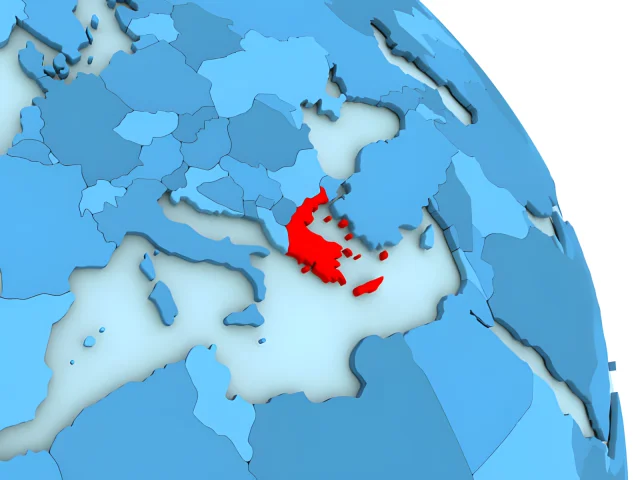
Our Greek fleet is based in three hubs, Athens, Kos and Rhodes, and we also cover the Ionian Sea around Corfu. Choosing the right hub matters as much as choosing the yacht, because it decides how exposed you are to the Meltemi, how long your crossings are and how many islands you can realistically reach in a week.
Athens: The Saronic Gulf and Your Logistics Gateway
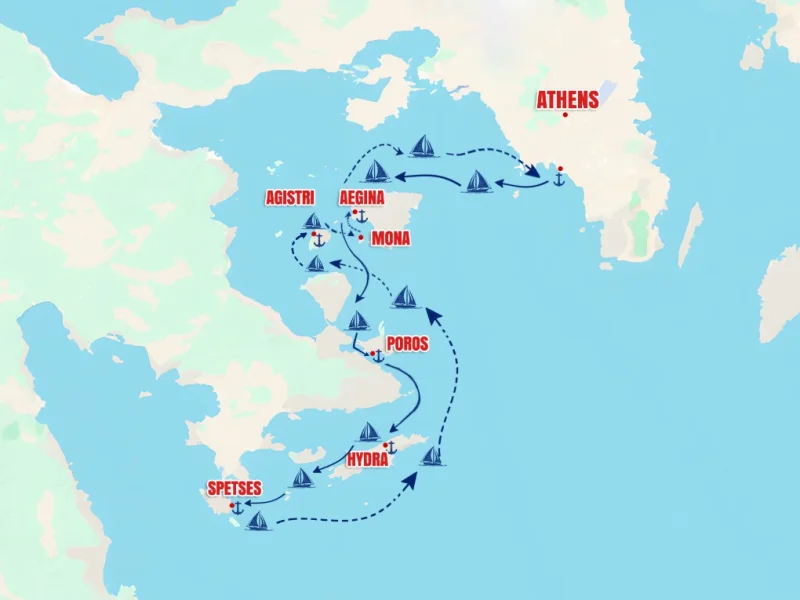
Athens is the main logistics hub for Greek charters, and most of our gulets in Greece are based here. Guests fly into Athens International Airport and board at Alimos Marina or Flisvos Marina, both about 35–50 minutes away depending on traffic. From there you sail straight into the Saronic Gulf, where Aegina, Poros, Hydra and Spetses lie within a few hours of each other. The gulf is relatively sheltered from the summer Meltemi, so it suits guests who want short hops and calmer water; the Cyclades are within reach on longer charters, with livelier crossings in July and August. Browse gulets based in Athens or read our Athens charter guide.
Kos: The Dodecanese Island-Hopping Base
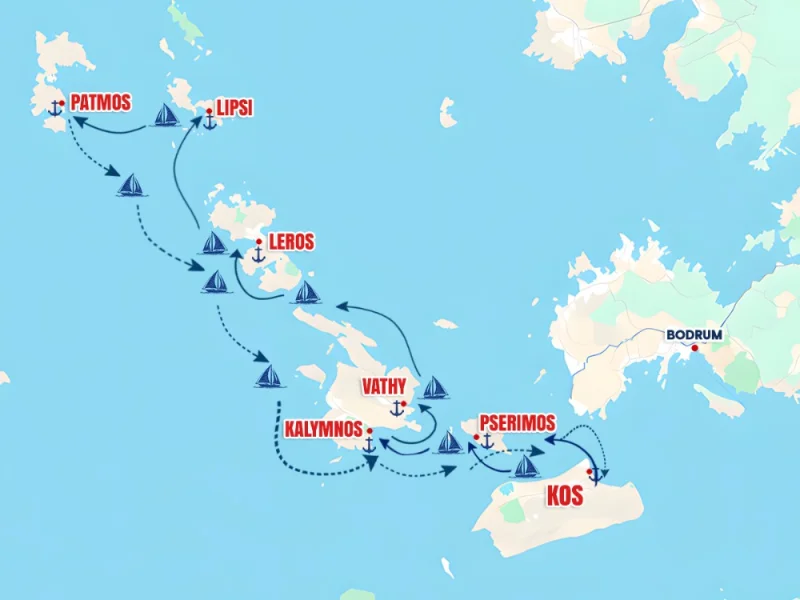
Kos sits in the heart of the Dodecanese, close enough to the Turkish coast that some itineraries combine Greek islands with Bodrum or Knidos, subject to border clearance. Charters board at Kos Marina by the medieval castle, about 30–40 minutes from Kos Airport. From here, Pserimos, Kalymnos and Nisyros are short hops, and Lipsi, Leros and Patmos lie within a relaxed week. It is a strong choice if you want to wake up at a different island most days. See gulets based in Kos or our Kos charter guide.

Rhodes: The Southern Dodecanese Base
Rhodes anchors the southern Dodecanese and opens up a different set of islands from Kos, including Symi, Halki and Tilos. Gulets board at Mandraki Marina below the Old Town, while larger yachts often use the deeper berths of Rhodes Marina at Akandia; both are about 20–25 minutes from Rhodes Airport. Because Rhodes faces more open water, some crossings are longer, so it suits guests who are comfortable with a few hours under way between stops. View gulets based in Rhodes or read our Rhodes charter guide.

Corfu: Ionian Sailing With a Gentler Wind Profile
Corfu opens onto the Ionian Sea, a sailing ground with a very different character from the Aegean. The Meltemi barely reaches this coast; instead, a moderate afternoon breeze called the Maistros keeps summer days comfortable, and the islands are greener and more wooded than the Cycladic image most guests have of Greece. A typical week heads south to Paxos and Antipaxos, with Lefkada within reach on longer or one-way charters. Gulets board at Gouvia Marina, about 20 minutes from Corfu Airport, which makes the Ionian a good choice for families and first-time charter guests. Fewer gulets are based here, so ask our charter team about availability, or read our Corfu charter guide.

Weather, Winds & Best Time to Charter in Greece
The wind that shapes most Greek charter planning is the Meltemi, a dry northerly that builds across the Aegean from mid-June and peaks in July and August, often reaching Force 6–7 in the Cyclades and Dodecanese. It usually eases towards evening, but it shapes daytime routes and can keep a yacht in a sheltered bay for a day when it blows hard. The Ionian around Corfu sees far less of it, though a southerly sirocco can bring unsettled weather in spring and autumn.
May, June and September to early October are usually the most comfortable months for families and guests who prefer lighter winds and lower temperatures. July and August bring the strongest Meltemi and the highest temperatures, which suit experienced groups who don't mind a livelier sea on exposed crossings.
| Period | Typical Conditions | Best Suited For |
|---|---|---|
| May – early June | Mild temperatures, occasional light Meltemi building | Families, first-time charter guests |
| Late June – August | Strong Meltemi in Aegean, Force 5-7 afternoons; Ionian calmer | Experienced sailors, active itineraries |
| September – early October | Meltemi easing, warm sea temperatures | Guests wanting fewer crowds, stable conditions |
| April & late October | Cooler, more variable, shorter daylight | Off-season charters, lower rates |

Getting to Greece & Boarding Logistics
Each hub has its own international airport, so the choice of boarding base often follows your flights rather than the other way round. Athens (ATH), Kos (KGS), Rhodes (RHO) and Corfu (CFU) all have direct European flights in summer.
- Athens (ATH): about 35–50 minutes to Alimos or Flisvos Marina, depending on traffic
- Kos (KGS): about 30–40 minutes to Kos Marina
- Rhodes (RHO): about 20–25 minutes to Mandraki Marina
- Corfu (CFU): about 20 minutes to Gouvia Marina
Charters usually run Saturday to Saturday, though some yachts accept Sunday or midweek starts outside peak season. The crew finishes provisioning on the morning of embarkation, boarding opens in the mid-afternoon and the welcome briefing covers safety, cabins and the outline of the week. Disembarkation is usually mid-morning on the final day. If you want to board or leave somewhere other than the yacht's home port, a delivery or redelivery fee may apply.
How Greek Gulet Itineraries Work
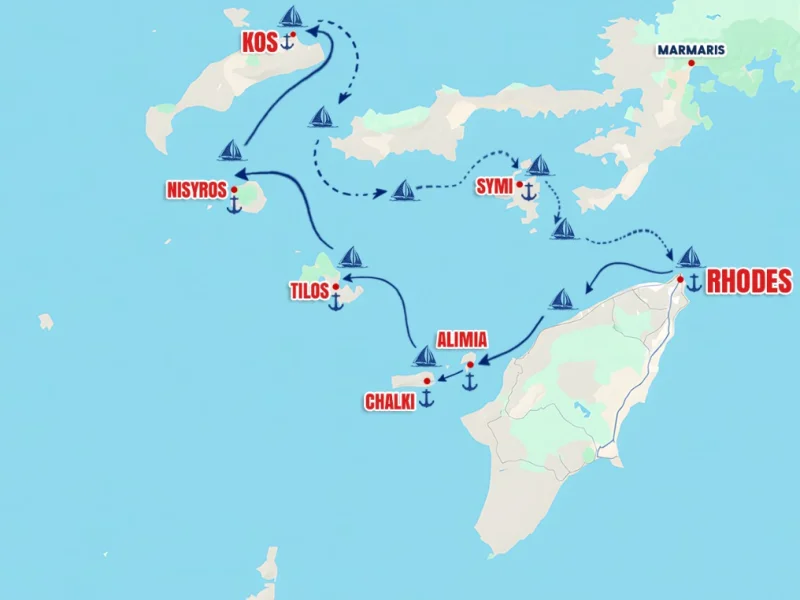
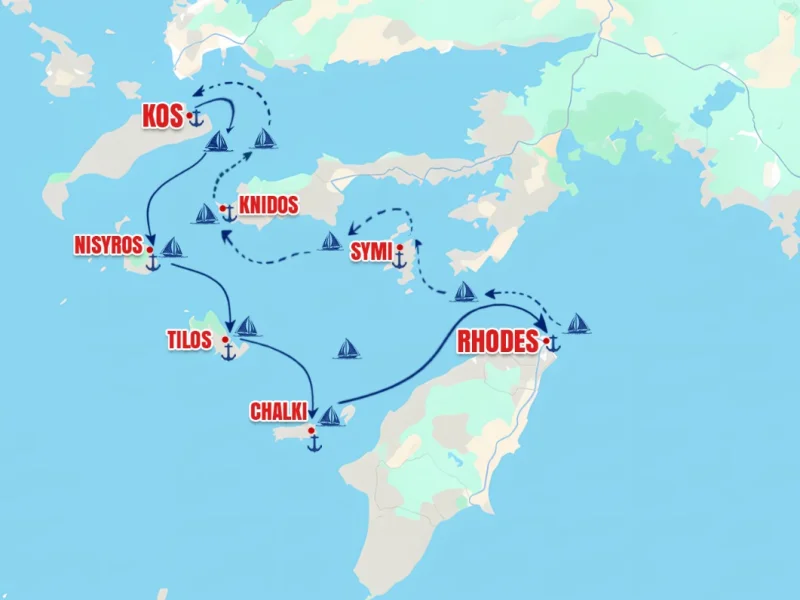
Greek itineraries follow two broad styles: short hops between neighbouring islands, or routes that deliberately cross open water to reach further destinations. The Kos–Patmos route is a good example of the first, moving between Pserimos, Kalymnos, Lipsi, Patmos and Leros in short daily legs. The Kos–Rhodes–Kos loop is the second style, with longer passages via Nisyros, Tilos, Halki, Rhodes and Symi, and a stop at Knidos on the Turkish coast.
From Rhodes, the Rhodes–Kos–Rhodes route covers the southern Dodecanese in reverse. From Athens, the Athens Saronic Gulf route is the standard choice for a sheltered, family-friendly week, with stops such as Poros, Hydra, Spetses and Epidavros.
If this is your first charter, read how a crewed yacht charter works before you settle on a route. To compare yachts by group size and layout, see our pick of the 10 best gulets in Greece.

How Much Does a Gulet Charter in Greece Cost?
Weekly starting rates for our Greek gulets range from around €15,500 for a smaller gulet to €120,000 or more for VIP-class yachts. Dates make a big difference: Gulet Papa Joe, for example, costs €28,000 a week in May and October and €42,000 in July and August.
Greek charters usually work differently from Turkey and Croatia. Instead of a fixed food package, most of our Greek gulets use an APA (Advance Provisioning Allowance) of around 30% of the charter fee to pay for food, drinks and port fees, and VAT of 12% is added to the charter fee on many yachts. Fuel may be included for a set number of cruising hours or paid from the APA, depending on the yacht, so always check the terms on its page. For the premium end of the market, see our guide to luxury private yacht charter in Greece.
Frequently Asked Questions
Is the APA included in the charter price in Greece, or paid separately?
The APA (Advance Provisioning Allowance) is paid separately from the charter fee, usually before the charter starts. On most of our Greek gulets it is around 30% of the charter fee and covers food, drinks and port fees, and on some yachts fuel as well. The captain keeps receipts and returns any unspent balance at the end of the week. Crew gratuities are separate and at your discretion.
Can I cross from a Greek island into Turkish waters on the same charter?
Often, yes, especially from Kos and Rhodes, which lie close to Bodrum, Knidos and Marmaris. The crossing needs customs and passport clearance on both sides, and whether a yacht can make it depends on its permits. Clearance and port fees are usually extra, so mention it when you enquire and the crew will plan the paperwork.
What is typically included in a private gulet charter in Greece?
The weekly rate covers the yacht, the professional crew, insurance, linen and towels, Wi-Fi and air conditioning for set hours, plus water toys where fitted. Food, drinks and port fees are paid from the APA, VAT is often added to the charter fee, and crew gratuities are separate. Our guide to gulet charter prices explains the full structure.
Should I choose a gulet or a motor yacht for Greek waters?
A gulet's wide beam makes it a stable, comfortable platform for the shorter Saronic and Dodecanese hops, with generous deck space for time at anchor. A motor yacht suits groups who want to cover longer Cycladic or Ionian legs quickly. It comes down to how much of the week you want to spend at anchor rather than under way; our guide on choosing between a gulet and a yacht charter goes into more detail.
When is the best time to charter in Greece to avoid the strongest Meltemi?
Late May, June and the second half of September usually offer the best balance of warm water and moderate wind. For month-by-month advice, see our guide to the best time to charter a gulet.
Broker's Tip: Plan Around the Meltemi
If your dates fall in the heart of Meltemi season, build a spare day into the route instead of a fixed schedule. An experienced captain will simply wait in a sheltered bay near Symi or on the lee side of Kalymnos until the wind eases, and guests who expect some flexibility get the better week. It is also worth talking to the crew before boarding day: asking for specific Greek wines or dietary items in advance avoids compromises once you are at anchor. Contact our charter team to compare availability across all our Greek hubs.
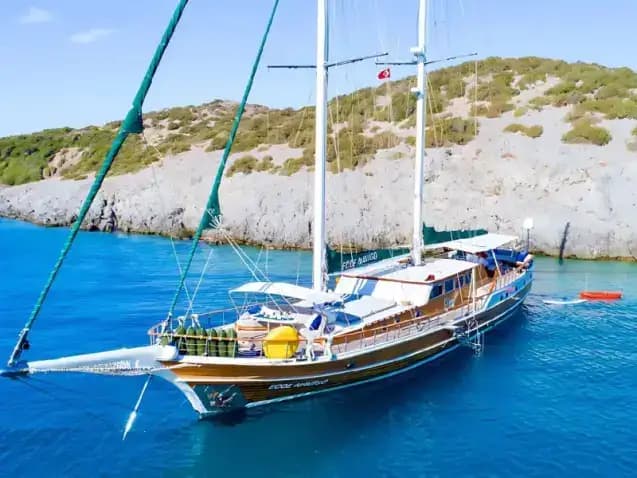
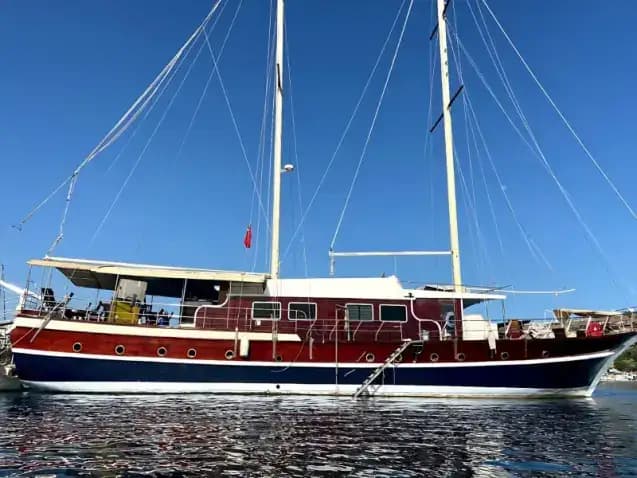
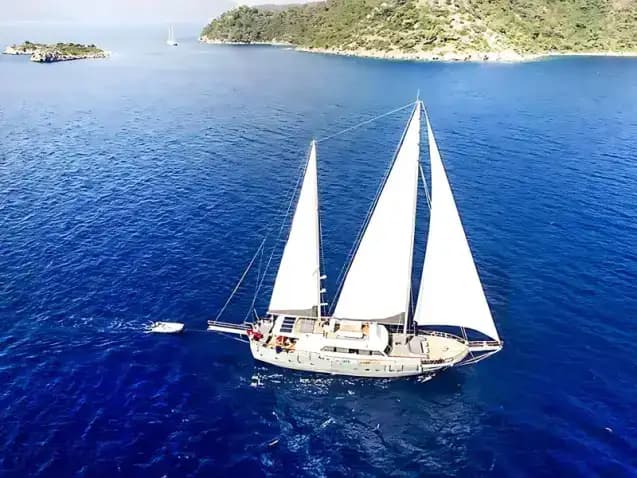
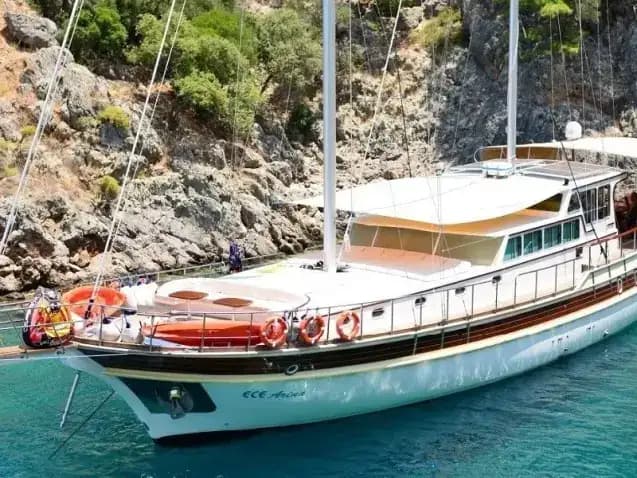
Sail this destination aboard one of our handpicked Greece gulets
Discover Greece featured yachts perfect for your journey
Charter this route with our expertly selected gulets

Explore one of our carefully crafted Greece itineraries
Discover Greece sailing routes perfect for your next adventure