
Croatia Gulet Charters | Split, Dubrovnik & Adriatic Routes
Sail Croatia by gulet and explore Split, Dubrovnik, Zadar, Trogir, and Sibenik. Enjoy custom itineraries, five-star service, and crystal-clear anchorages.
Start your adventure by selecting a destination below.
Croatia Gulet Charter: The Complete Broker's Guide to the Dalmatian Coast
Croatia sits on the eastern shore of the Adriatic, a coastline built for sail with more than a thousand named islands, deep-water channels, and short hops between anchorages. A private gulet charter here is less about long open-sea passages and more about a rotating sequence of bays, walled towns, and national parks, most reachable within two to four hours of cruising. Guests board a fully crewed vessel for a fixed weekly rate covering the boat, crew, and fuel allowance, with provisioning and APA handled separately by the charter broker.
This guide breaks down the country by boarding hub, wind pattern, and route logic so you can plan a week that matches your guest list and season. You can View All Croatia Gulet Yachts currently listed, or move straight to sample weekly plans through our Croatia Itineraries.
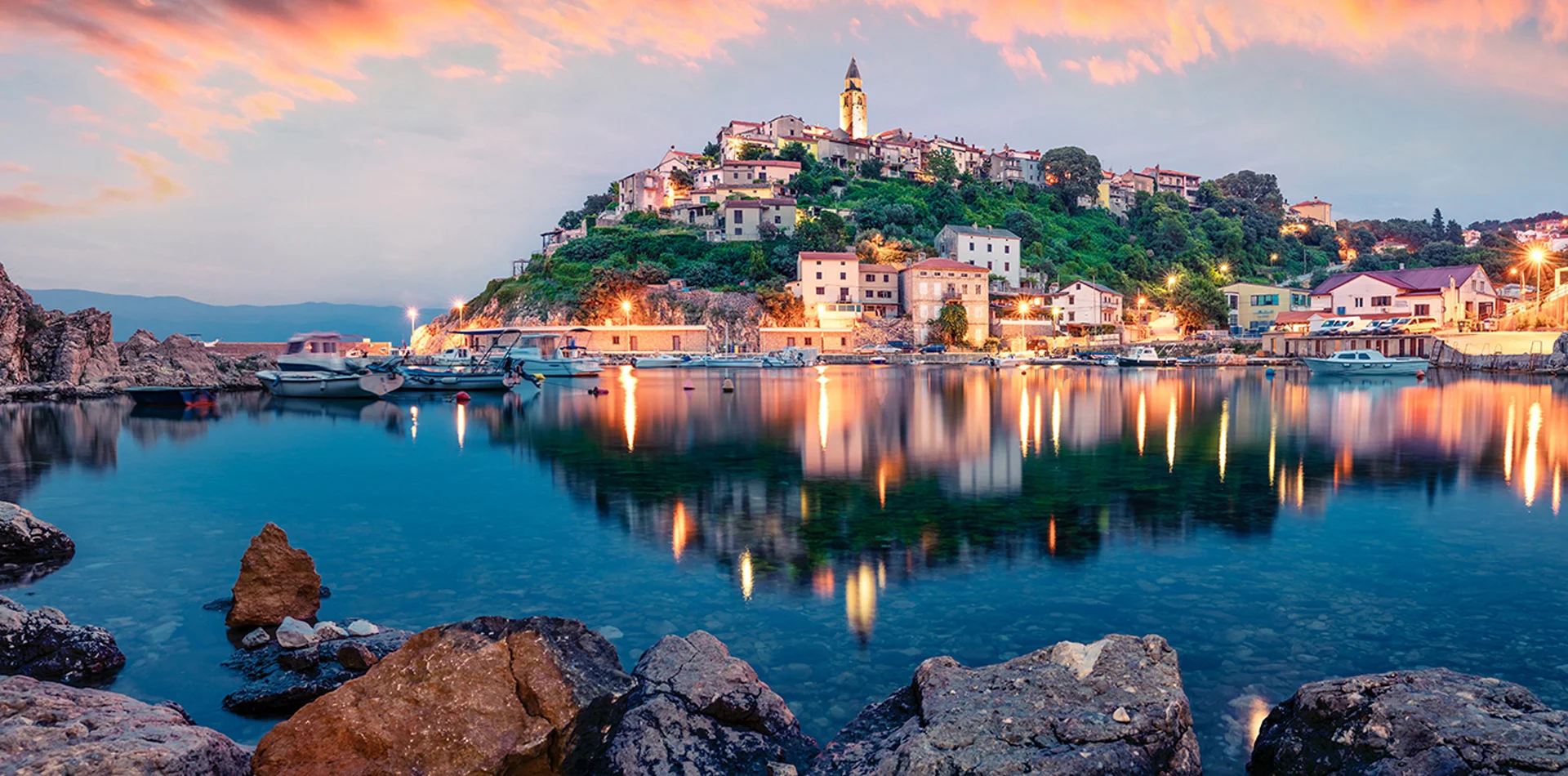
Unlike the Turkish Aegean or Greek Cyclades, Croatian charters run largely inside protected channels between the mainland and the Dalmatian islands, which keeps sea states manageable even for guests new to yachting. The trade-off is marina and mooring pressure in July and August, when berths in the busiest ports fill by early afternoon. Understanding the best time to charter a gulet in this specific coastline matters more than in most Mediterranean regions.
Where to Board a Gulet in Croatia: Main Charter Hubs
Five ports handle the vast majority of private charter turnover on this coast. Each has a distinct role: some are logistics hubs near international airports, others are gateways to national parks, and a couple exist mainly as heritage stopovers rather than starting points. Picking the right one shapes your entire route before a single mooring line is cast off.
Split: The Central Dalmatian Hub
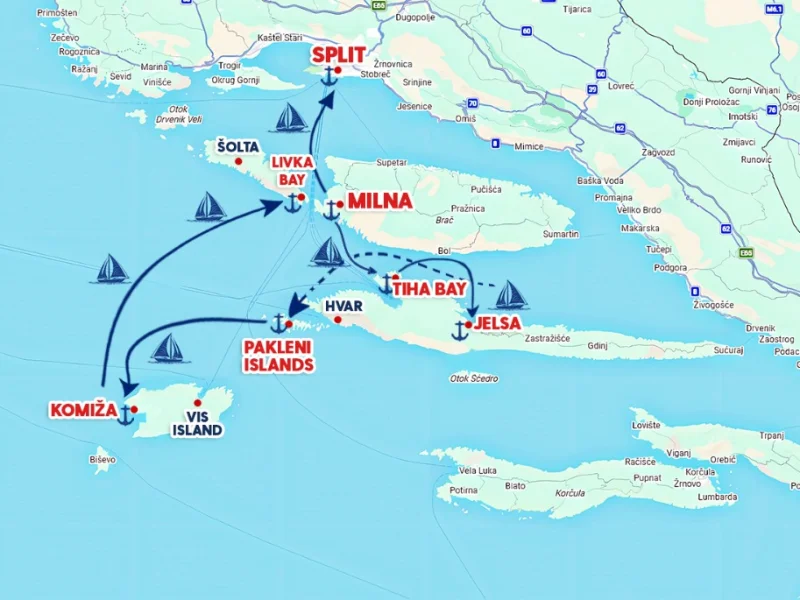
Split is the busiest boarding point in Croatia for a reason: its airport handles direct European traffic year-round, and the marina network around the city sits at the midpoint of the Dalmatian island chain. From here, guests reach the Kornati archipelago, Hvar, Brač, and Vis without a long transit day, which makes Split the default start for one-way or round-trip weeks. Charter tax processing (Vinjeta) and crew handover also run efficiently through this port compared with smaller marinas. Browse Split Gulet Yachts currently based here, or read the full port breakdown via About Split.
Dubrovnik: The Southern Heritage Terminus
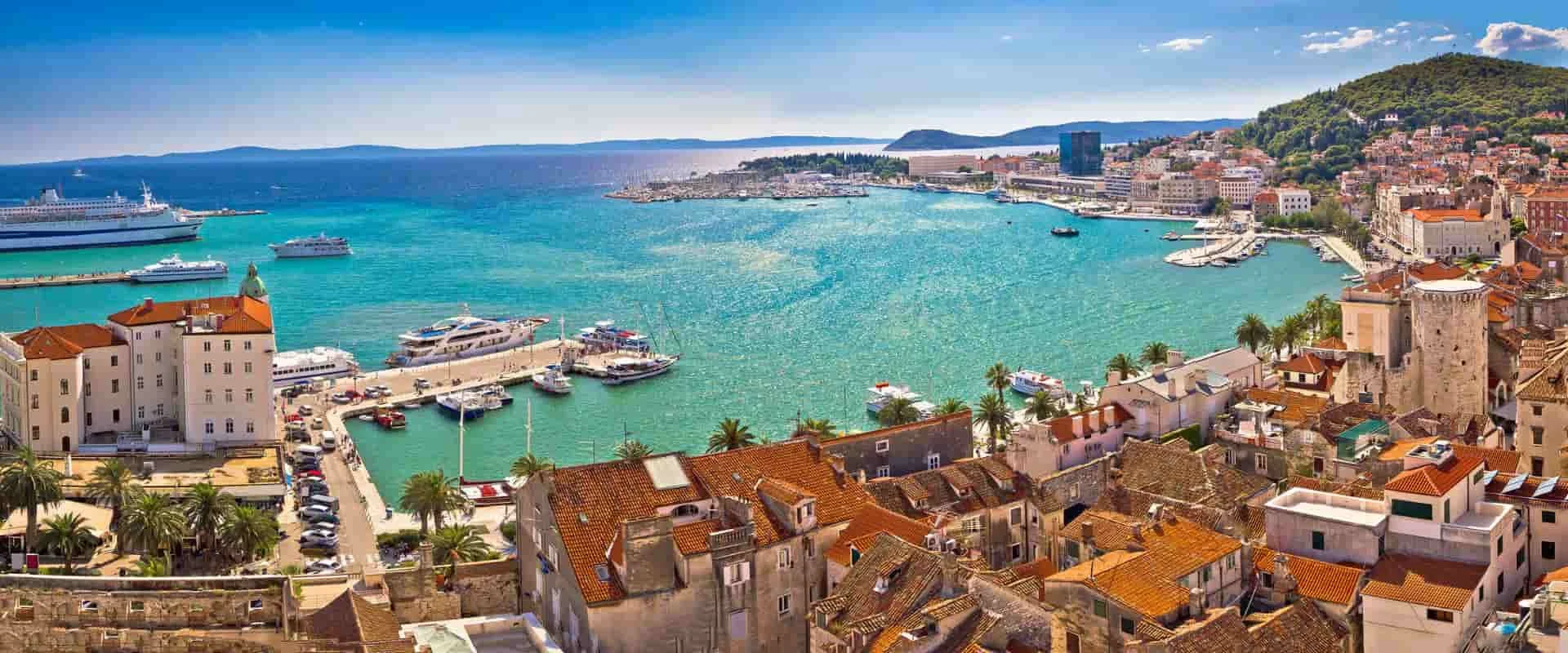
Dubrovnik anchors the southern end of most itineraries, and its city marina and Gruž port area serve as the classic one-way finish (or start) for guests flying in and out on separate legs. The old town walls, the Elaphiti Islands just north, and short runs to Mljet National Park make this a heavy-cultural-content week compared with the island-focused itineraries out of Split. Traffic through the port intensifies sharply in peak summer, so early check-in and departure scheduling matter here more than elsewhere. See Dubrovnik Gulet Yachts or the destination profile at About Dubrovnik.
Zadar: The Northern Gateway to the Kornati
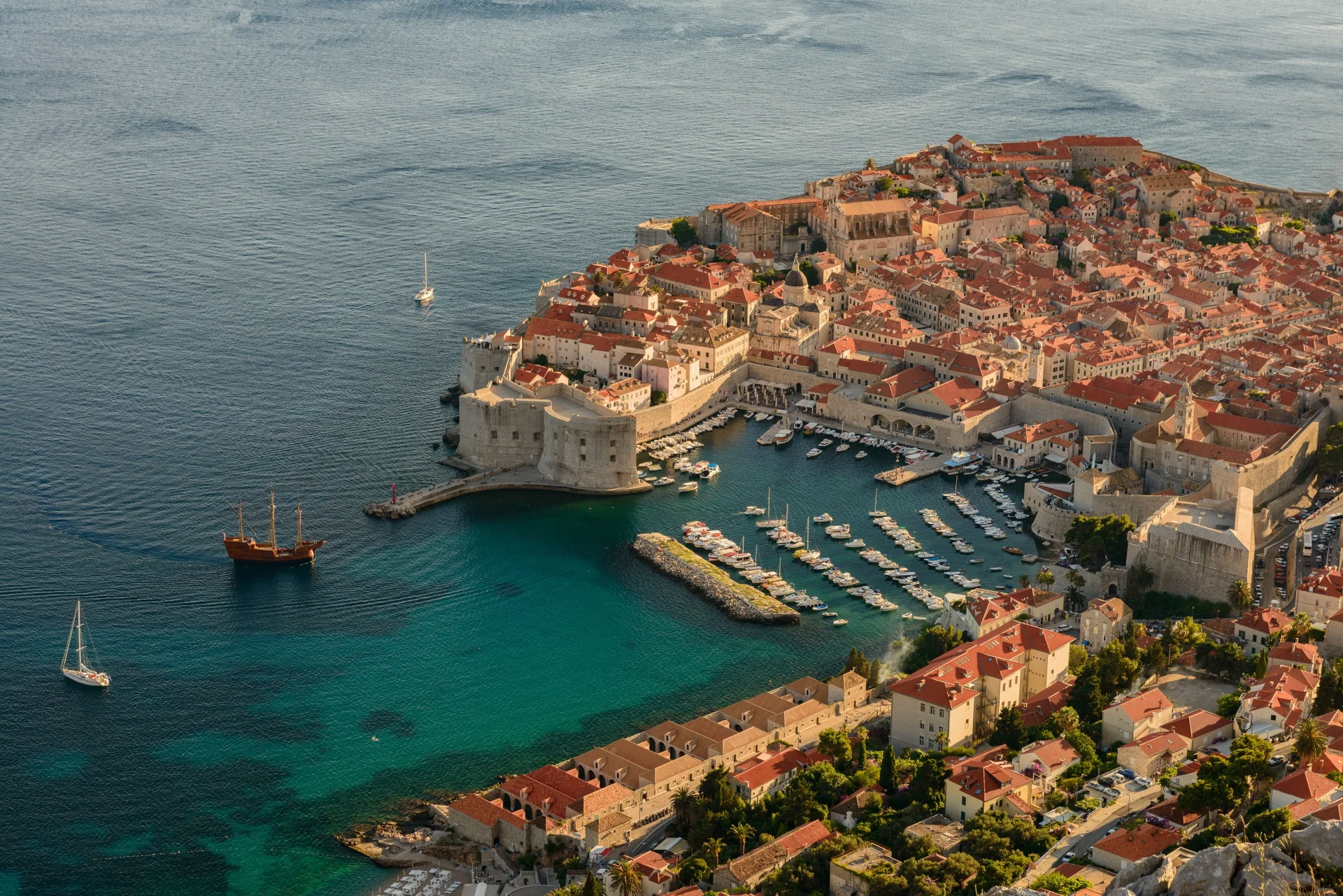
Zadar serves guests targeting the northern Dalmatian islands and the Kornati chain from a shorter transit than Split allows. Its airport takes low-cost and charter flights that widen boarding options for groups arriving from northern Europe, and the marina infrastructure at Marina Borik and D-Marin handles gulet-sized draft comfortably. This hub suits itineraries built around Telašćica Bay, Kornati National Park permits, and the Pašman Channel rather than the Split-Hvar-Dubrovnik run. Check Zadar Gulet Yachts and the full port notes under About Zadar.
Trogir: The Quiet Alternative Near Split
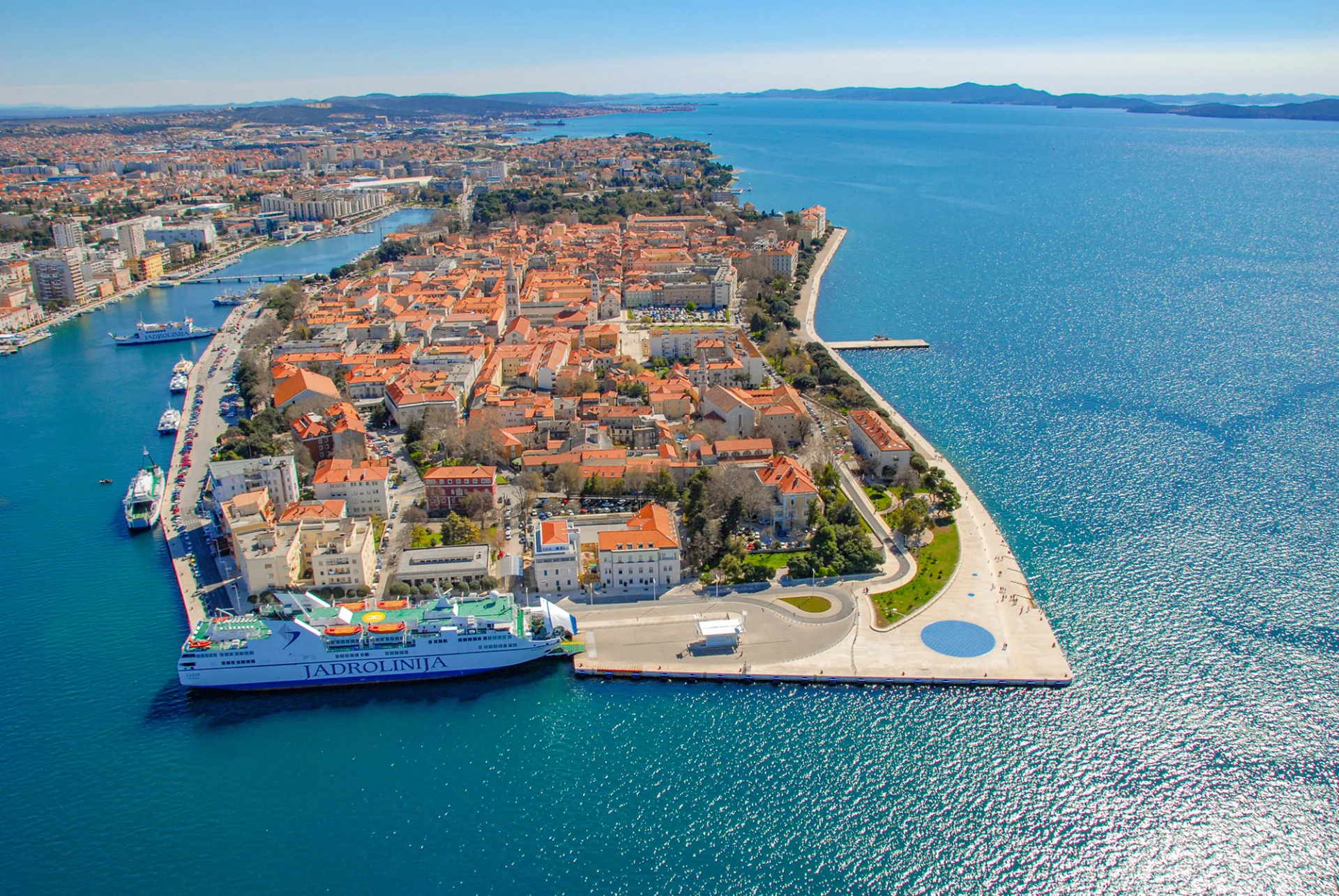
Trogir sits roughly twenty minutes from Split Airport by road but avoids the marina congestion of the main city, making it a preferred boarding point for private groups wanting a calmer handover. Its UNESCO-listed old town works well as a first or last-night stop, and the surrounding channel gives easy access to Split's island routes without the traffic of the city marina. It functions best as a boarding alternative rather than a standalone destination hub. View Trogir Gulet Yachts or read more at About Trogir.
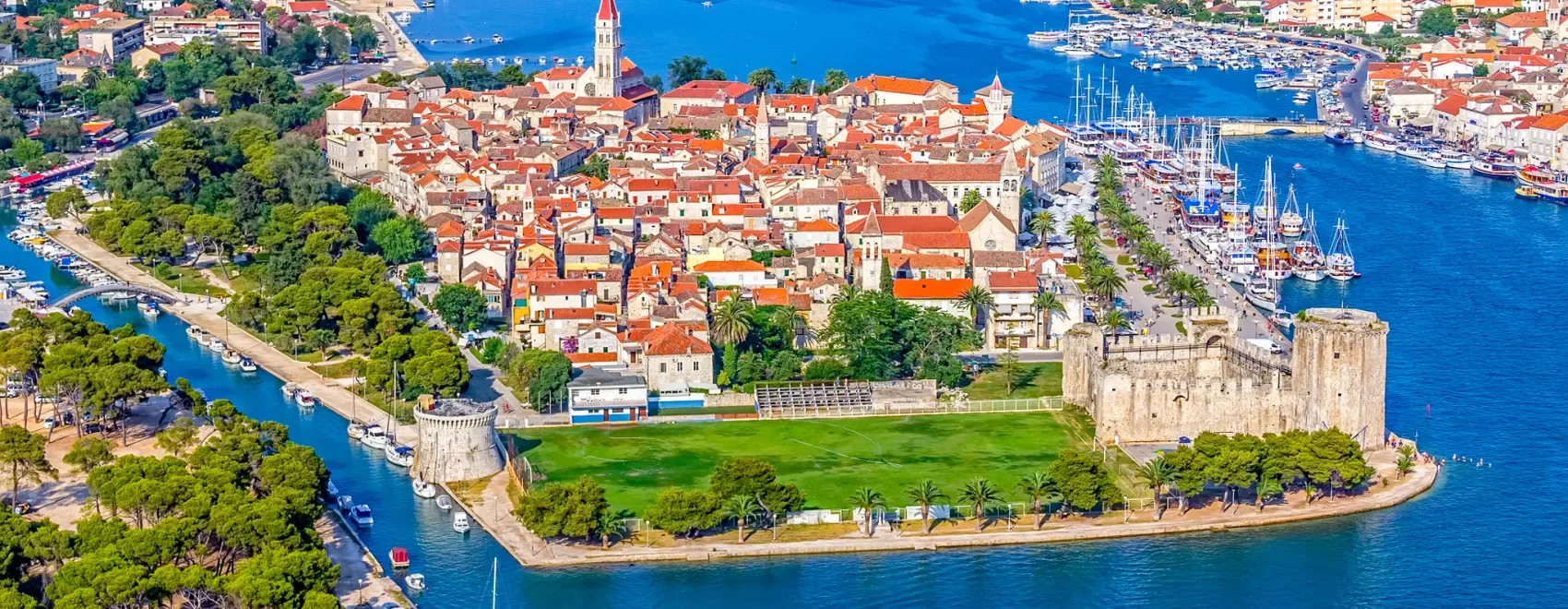
Sibenik: Gateway to Krka and the Kornati's Inner Passage
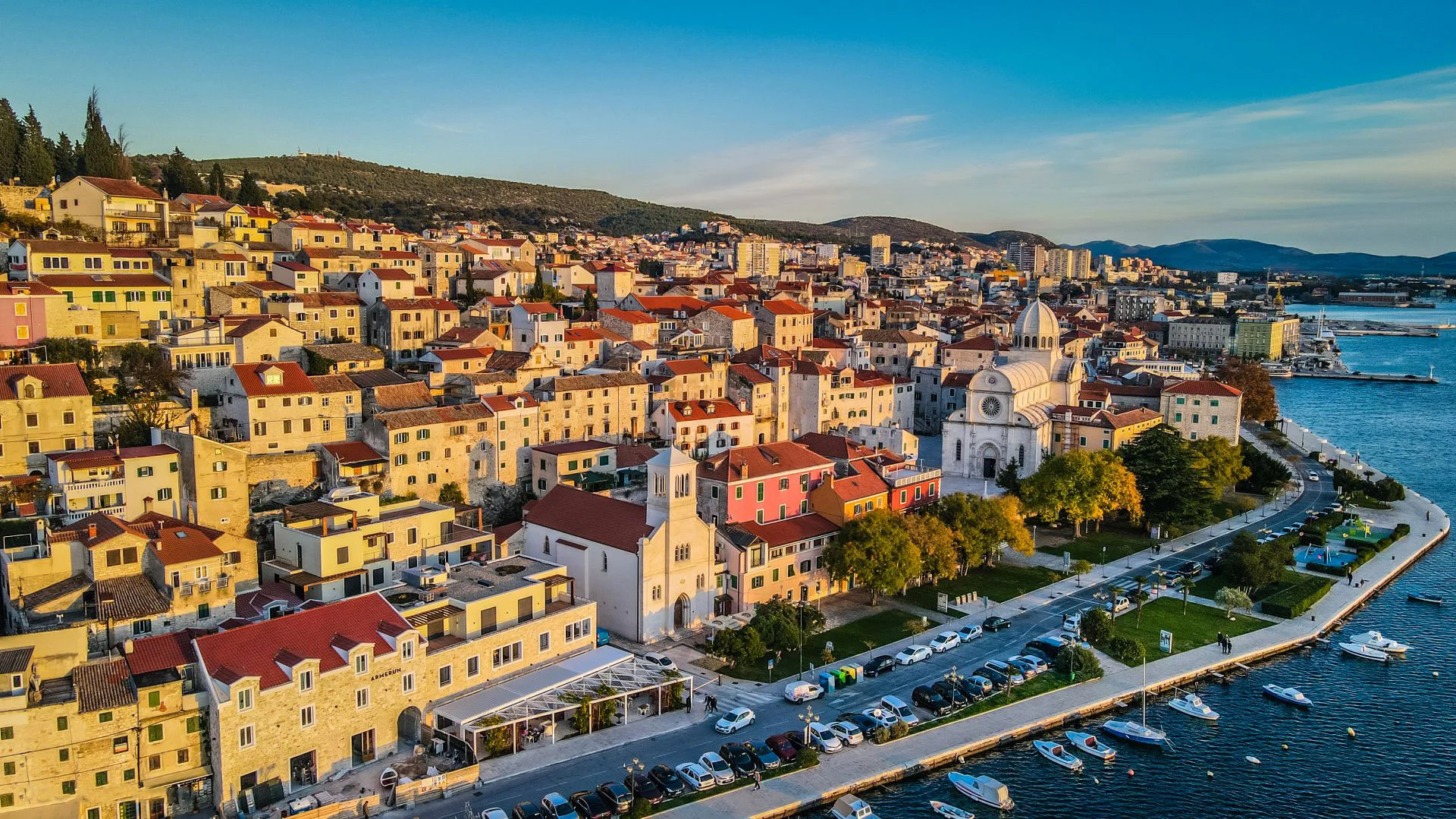
Šibenik gives direct access to Krka National Park's waterfalls and the sheltered inner passage toward the Kornati islands, cutting exposure to open swell compared with routes launched further south. The marina at D-Marin Mandalina handles larger gulets and superyachts, and the town itself sees a fraction of the cruise traffic that hits Split or Dubrovnik in August. It is a strong pick for guests prioritizing nature stops over nightlife or heritage sightseeing. See Sibenik Gulet Yachts and the destination guide at About Sibenik.
Weather, Winds & Best Time to Charter in Croatia
Three winds define Adriatic sailing conditions: the Bora, a strong, cold, gusty northeasterly that can build quickly off the mainland cliffs, particularly around Senj and the Velebit channel; the Jugo (Sirocco), a warm southeasterly bringing haze and longer swell periods, mostly a spring and autumn feature; and the Maestral, a reliable afternoon thermal breeze from the northwest that fills in most summer days and is the wind most gulet routes are planned around. Crews monitor Bora forecasts closely, since it can force a mooring change with little warning.
June through September delivers the most stable sailing window, with July and August also bringing peak air and sea temperatures alongside the heaviest marina traffic. May and late September offer calmer ports, lower charter rates in some fleets, and comfortable swimming temperatures without the crowd density.
| Month | Typical Conditions | Charter Notes |
| May | Mild Maestral, occasional Jugo | Quiet marinas, cooler evenings |
| June | Building Maestral, warm days | Good balance of weather and crowds |
| July | Consistent Maestral, hot | Peak marina pressure, book berths early |
| August | Consistent Maestral, hottest | Highest demand, national park permits fill fast |
| September | Maestral tapering, occasional Bora | Fewer crowds, still warm sea |
| October | Bora risk increases | Limited fleet availability |
Getting to Croatia & Boarding Logistics
Three airports cover almost all charter arrivals: Split Airport (SPU) for the central hub and Trogir, Dubrovnik Airport (DBV) for the southern terminus, and Zadar Airport (ZAD) for northern boarding. Šibenik guests typically fly into Split or Zadar and transfer by road, roughly forty-five minutes to an hour depending on traffic. Private transfers direct to the marina are standard and usually arranged by the broker alongside the charter contract.
Charters run on a Saturday-to-Saturday rhythm across nearly all Croatian fleets, mirroring the wider Mediterranean market. Boarding typically opens early afternoon on the Saturday, with a safety briefing and welcome drink before departure that evening or the following morning; disembarkation the following Saturday is usually before 10:00 to allow the crew time to prepare the vessel for the next group.
- Split Airport (SPU): 25–35 minutes to city marinas, 20 minutes to Trogir
- Dubrovnik Airport (DBV): 25 minutes to Gruž port and the old town marina
- Zadar Airport (ZAD): 15–20 minutes to Marina Borik and D-Marin Zadar
- Šibenik transfers: 45–60 minutes from Split or Zadar airports
- Passports: EU/Schengen entry rules apply; non-EU guests should confirm visa status before booking
Sample Route Thinking: How Croatia Gulet Itineraries Work
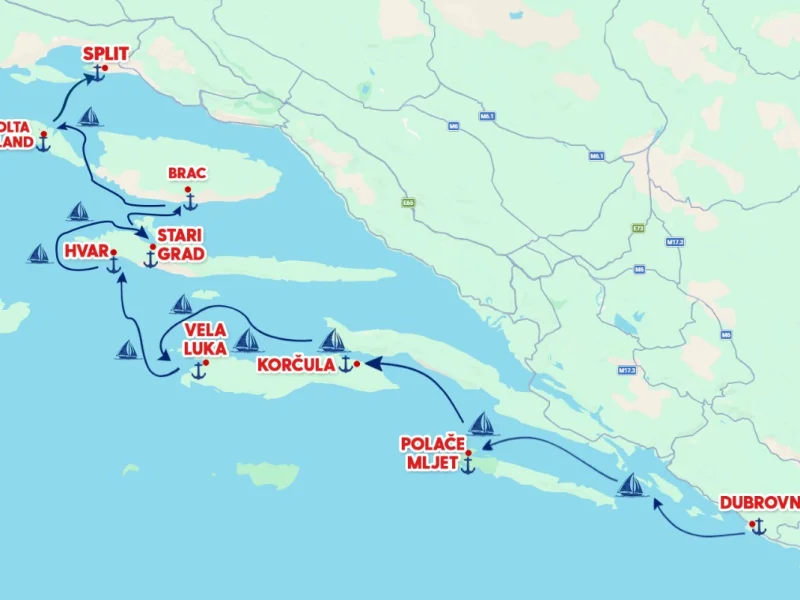
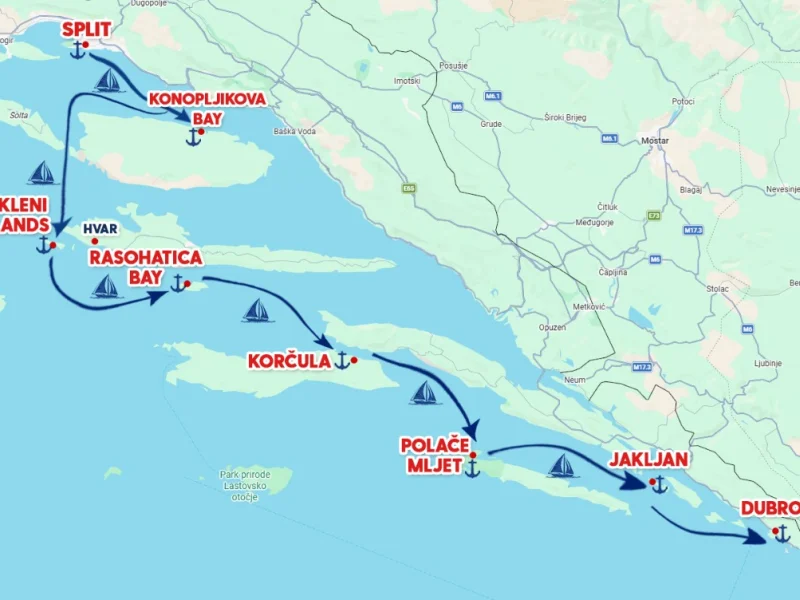
Most Croatian weeks follow one of two logics: a coastal-hugging loop out of a single port, or a one-way transit between two hubs. The Split to Dubrovnik route is the classic one-way plan, covering Hvar, Korčula, and the Pelješac peninsula before finishing at the old town walls. Groups wanting to reverse the flight logistics can run the Dubrovnik to Split route instead.
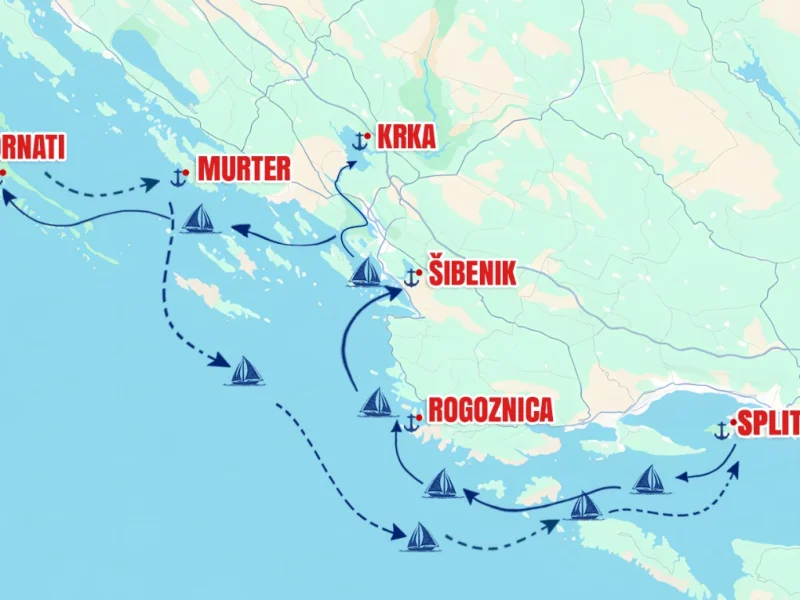
Guests prioritizing national park time over heritage towns often choose the Split to Kornati Island loop, which stays within a tighter radius and reduces total engine hours. For a full spread of week-by-week plans across every hub, the Croatia Itineraries library breaks down day-by-day anchorages and distances.
Frequently Asked Questions About Croatia Gulet Charters
Is Croatia in the Schengen zone for charter guests arriving from non-EU countries?
Yes, Croatia joined the Schengen area in 2023, which simplifies entry for EU citizens but means non-EU guests should still confirm visa requirements before booking. Charter crews handle port authority check-in on the guests' behalf, but passport validity and any required visa must be sorted prior to boarding.
What does APA cover on a Croatian gulet charter?
The APA (Advance Provisioning Allowance) covers running costs paid during the week that are separate from the fixed charter fee: fuel, food, drinks, marina fees, national park entry permits, and any restaurant transfers the crew arranges ashore. It is typically set at 25–30% of the charter fee, held on account, and reconciled with receipts at the end of the week, with unused funds returned.
Can a private charter cross into Montenegro or Italy during a Croatia week?
Some southern itineraries out of Dubrovnik can extend into Montenegro's Boka Bay, but this requires advance notice for cabotage and border clearance paperwork, and not every vessel or crew is set up for it. Crossings toward Italy are rare on standard one-week charters due to the open-sea distance involved; guests interested in a Montenegro extension should flag it at the enquiry stage.
Do I need a permit to visit the Kornati or Krka national parks?
Yes, both Kornati National Park and Krka National Park require an entry ticket, purchased per person and typically arranged by the crew before arrival. In peak season, Kornati mooring buoys and Krka boat access slots can fill by mid-morning, so crews departing from Zadar or Šibenik tend to plan an early start on those specific days.
How far in advance should I book a gulet for the July-August period?
For the peak window, most established Croatian fleets are booked out four to six months ahead, particularly for larger gulets with six or more cabins based in Split and Dubrovnik. Shoulder-season weeks in May, June, or September can often be secured with six to eight weeks' notice.
Broker's Tip: Sailing Croatia Beyond the High-Season Crowds
The single biggest lever for a better week in Croatia is timing your Kornati and Krka park visits for the first hour after opening, before the day-tripper speedboats arrive from Zadar and Šibenik marinas. A second lever is choosing Trogir over the Split city marina for boarding: the transfer is barely longer, but the handover is calmer and the first night's mooring options are less contested. Groups still deciding between the northern and southern hubs can compare both sides directly through our Split vs Dubrovnik starting ports breakdown, and once the route is set, you can View All Croatia Gulet Yachts matched to your dates and cabin count.
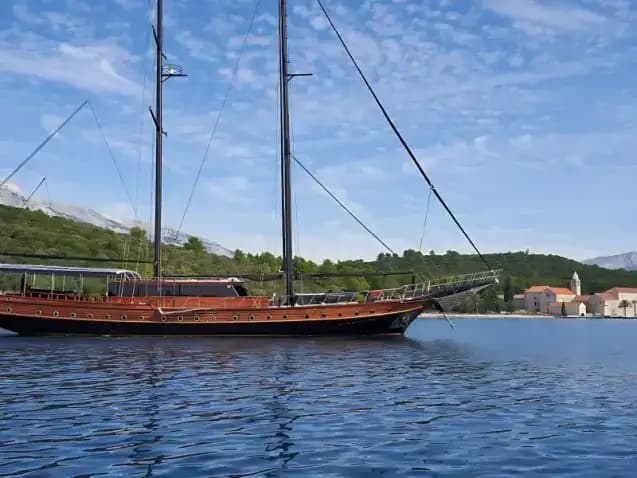
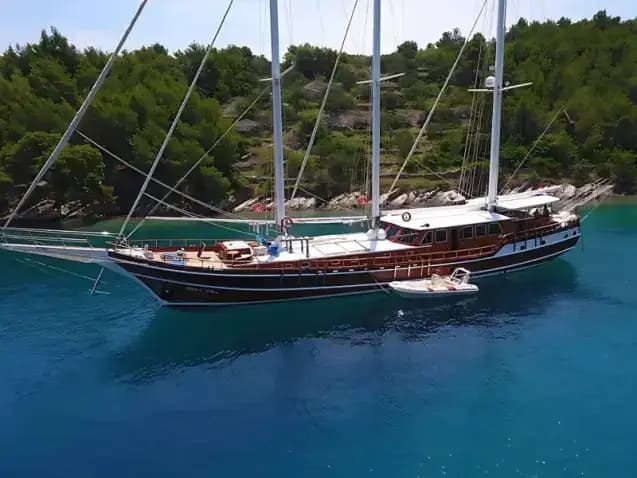
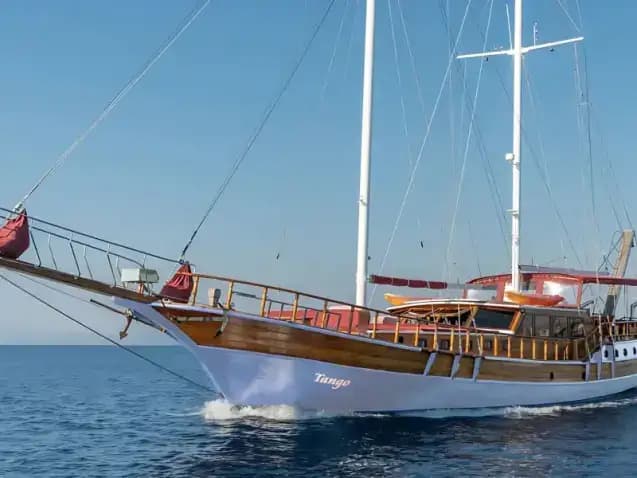
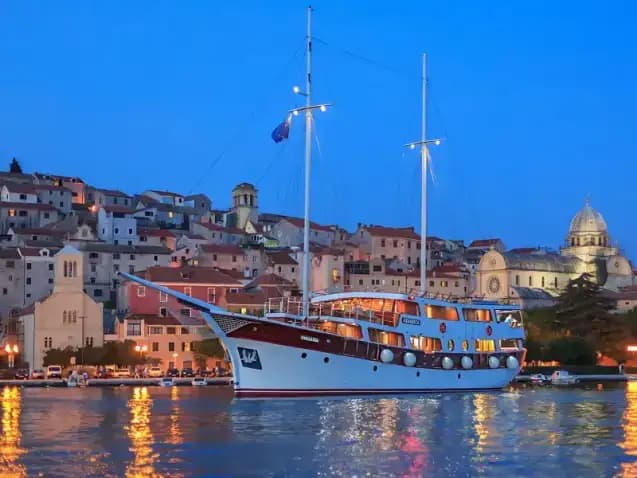
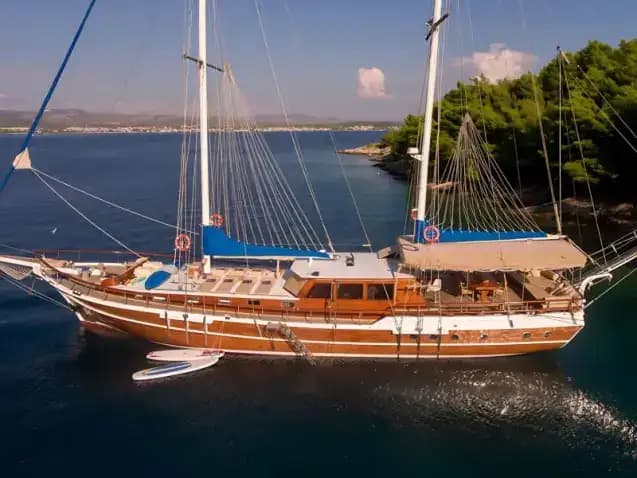
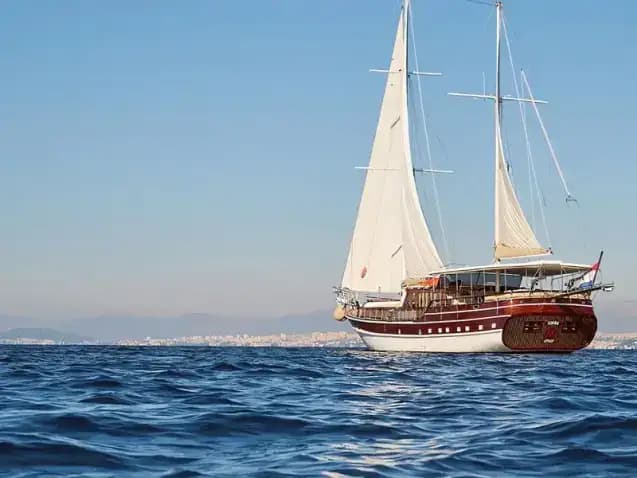
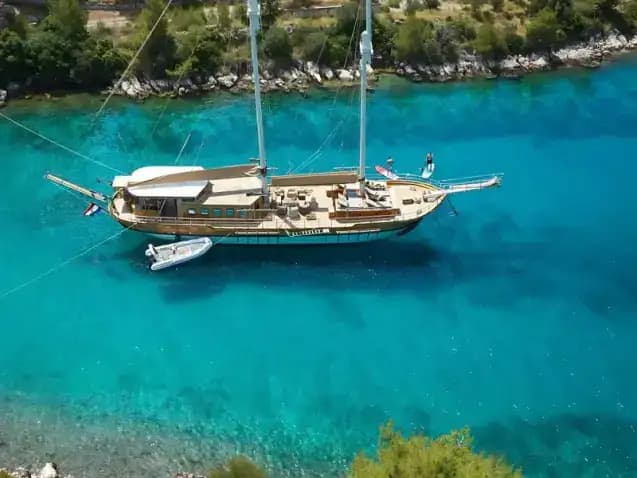
Sail this destination aboard one of our handpicked Croatia gulets
Discover Croatia featured yachts perfect for your journey

Charter this route with our expertly selected gulets
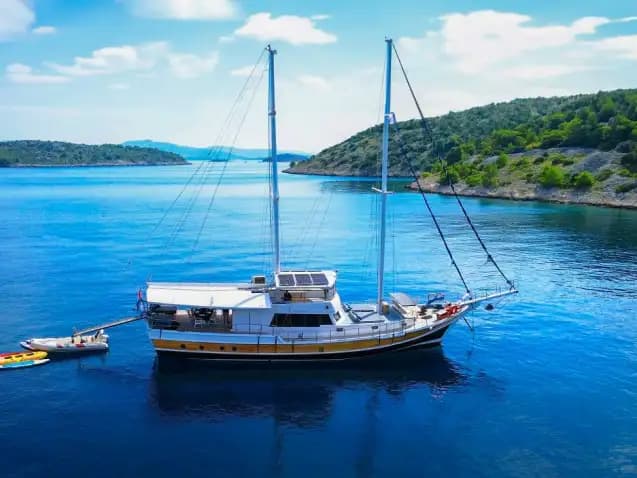
Explore one of our carefully crafted Croatia itineraries
Discover Croatia sailing routes perfect for your next adventure