
Croatia Gulet Charters | Split, Dubrovnik & Adriatic Routes
Sail Croatia by gulet and explore Split, Dubrovnik, Zadar, Trogir, and Sibenik. Enjoy custom itineraries, five-star service, and crystal-clear anchorages.
Start your adventure by selecting a destination below.
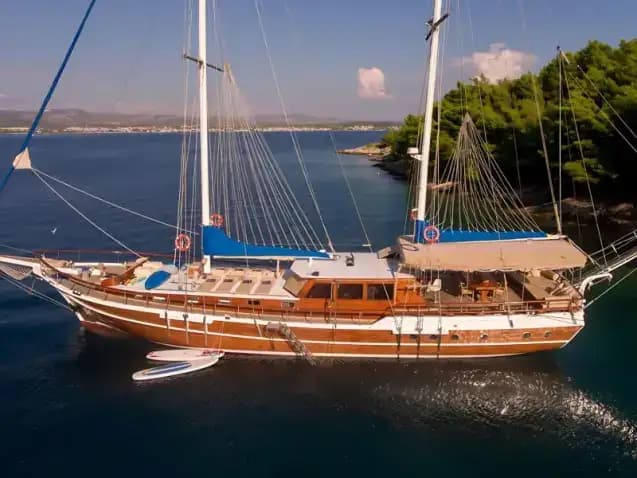
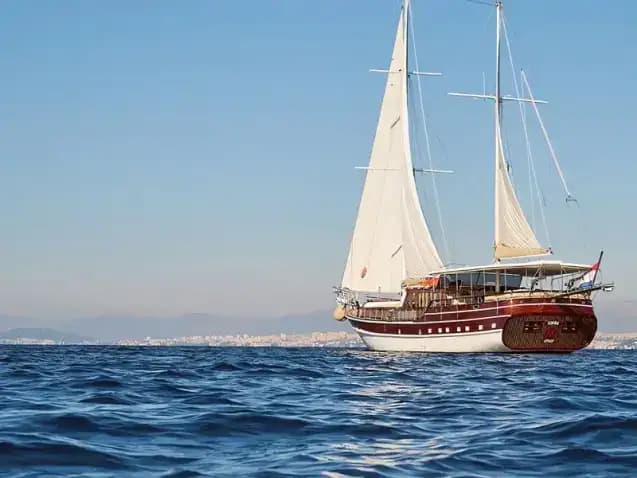
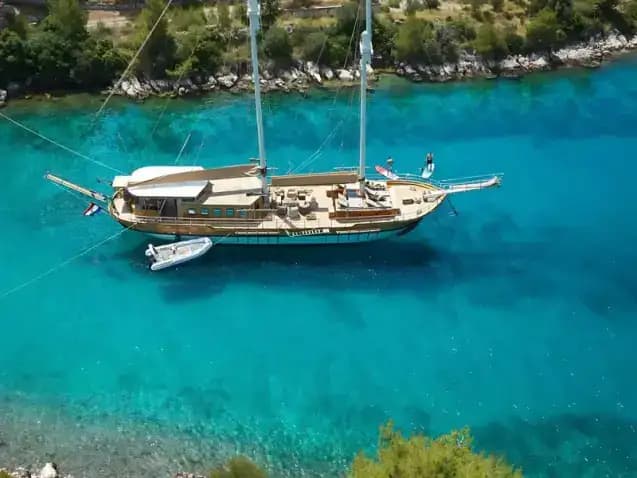
Croatia lies on the eastern shore of the Adriatic, a coastline made for sailing, with more than a thousand islands and islets, sheltered channels and short hops between anchorages. A private gulet charter in Croatia is less about long open-sea passages and more about a rotating sequence of bays, walled towns and national parks, most of them within two to four hours' cruising of each other. You book a fully crewed yacht for a fixed weekly rate, and the route is shaped around your group.
This guide covers the main boarding hubs, the winds and the way routes are planned, so you can build a week that suits your group and your dates. You can also browse all gulets for charter in Croatia or go straight to our sample Croatia itineraries.
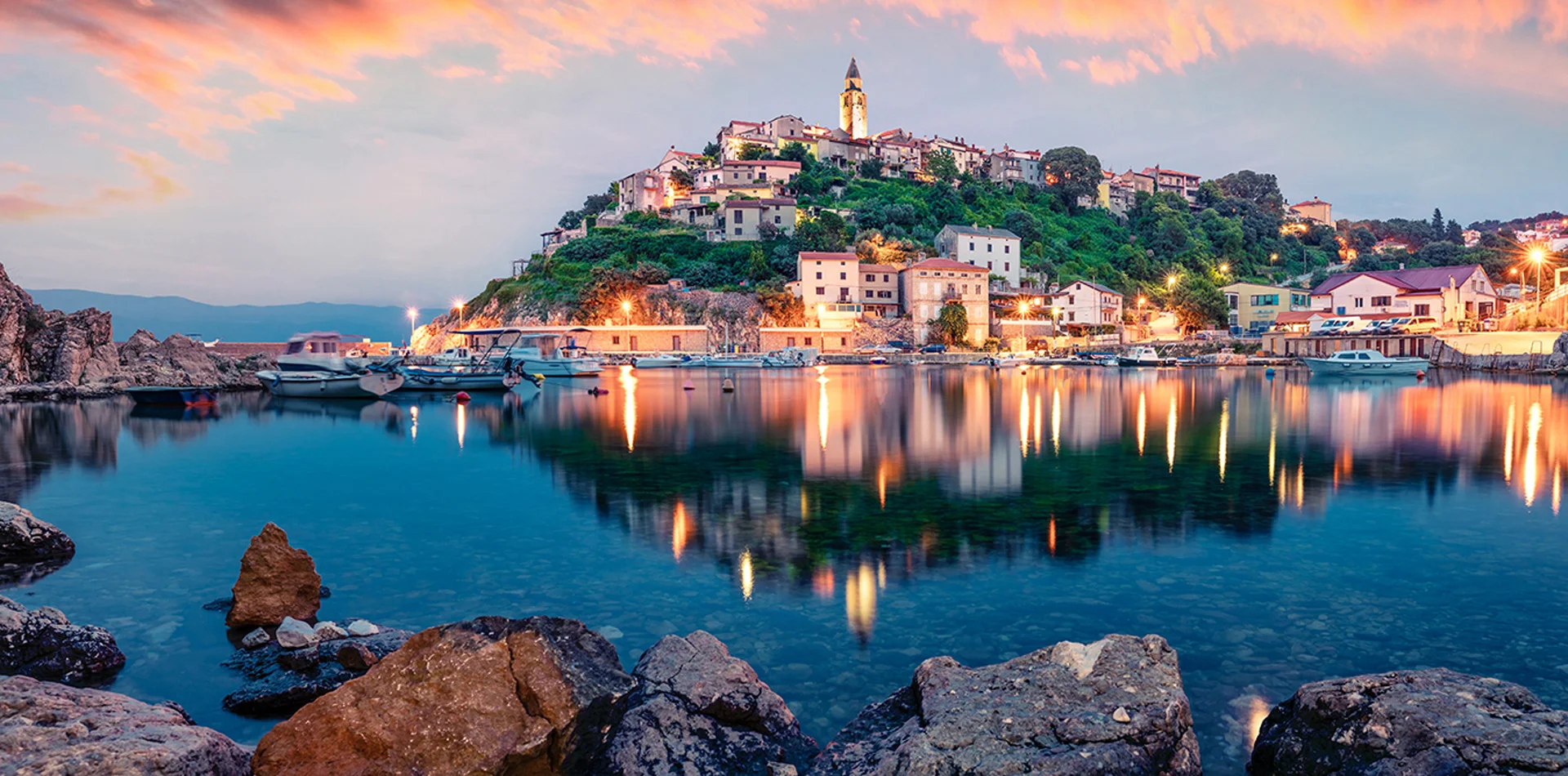
Unlike the Turkish Aegean or the Greek Cyclades, Croatian charters run largely inside protected channels between the mainland and the Dalmatian islands, which keeps the sea manageable even for guests new to yachting. The trade-off is pressure on marinas and moorings in July and August, when berths in the busiest harbours fill by early afternoon. That is why choosing the right time to charter in Croatia matters more here than in most Mediterranean regions.
Where to Board a Gulet in Croatia: Main Charter Hubs
Five ports cover almost every private gulet charter on this coast. Some are logistics hubs close to international airports; others are gateways to national parks or quieter alternatives to the big marinas. Choosing the right one shapes your whole route before the first line is cast off. If you are deciding between the two biggest hubs, see our Split vs Dubrovnik comparison.
Split: The Central Dalmatian Hub
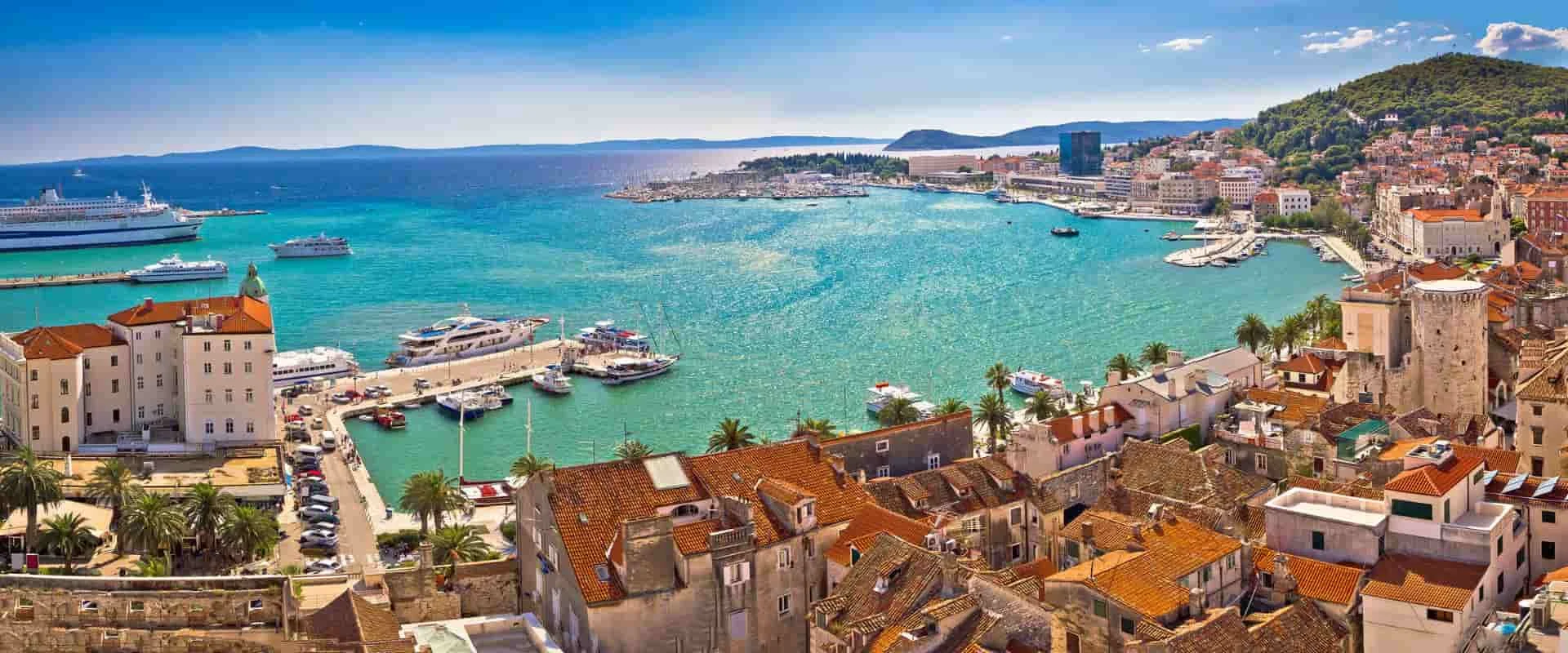
Split is Croatia's busiest charter base, sitting at the midpoint of the Dalmatian island chain, and most of our Croatian gulets start here. Guests board either at ACI Marina Split, a short walk from the Riva promenade and about 25 minutes from Split Airport, or at Kaštela Marina, just minutes from the airport. Šolta, Brač, Hvar and Vis are all within an easy first day, which makes Split the natural start for both round-trip and one-way weeks. Browse gulets based in Split or read our Split charter guide for marina and anchorage detail.
Dubrovnik: The Southern Heritage Hub
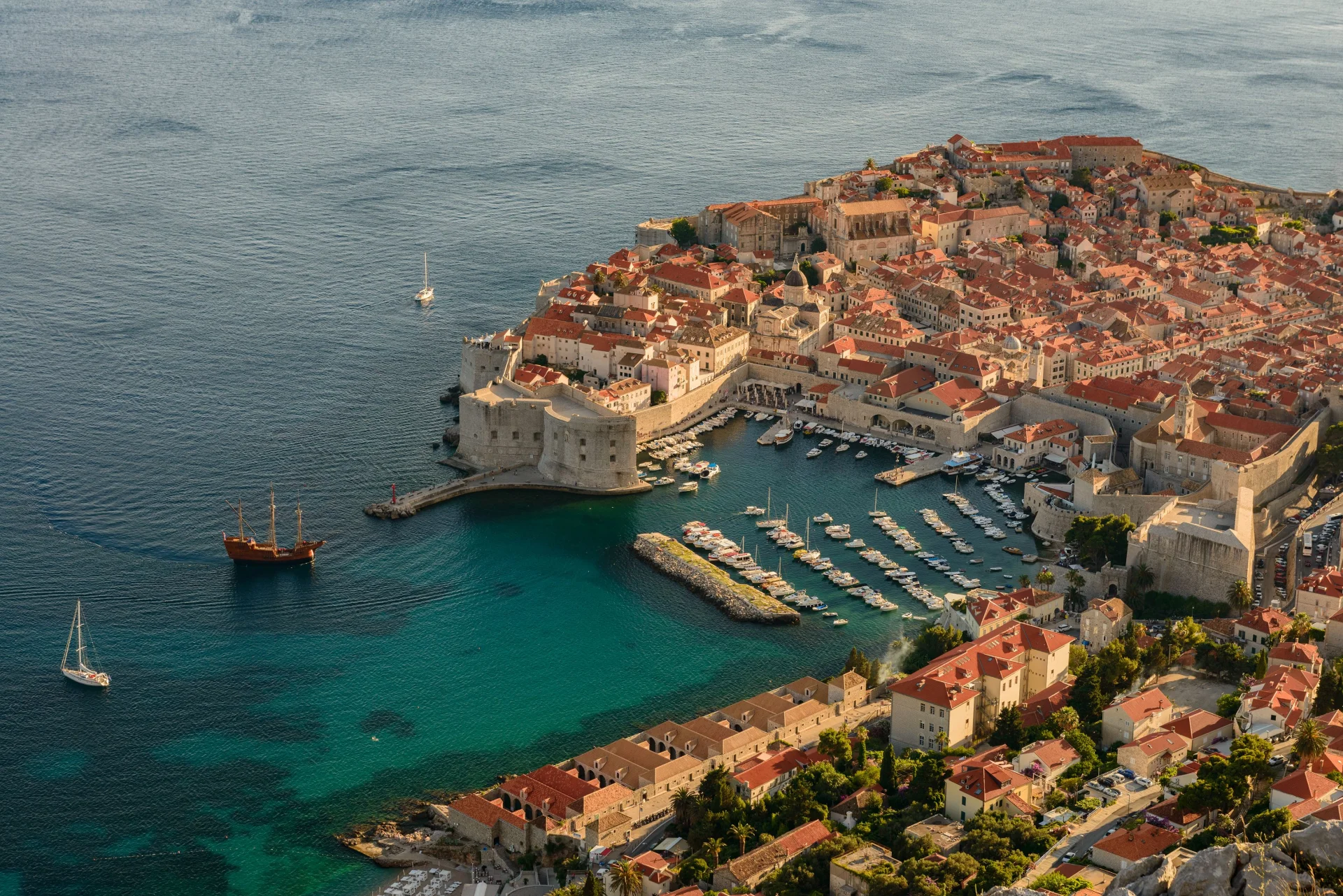
Dubrovnik anchors the southern end of most Croatian itineraries and is the classic finish, or start, for one-way weeks. Gulets board mainly at ACI Marina Dubrovnik in Komolac, about 40 minutes from Dubrovnik Airport, while the smaller marina at Cavtat is closer to the airport. The Old Town walls, the Elaphiti Islands just to the north and the short run to Mljet National Park make this the most culture-rich start on the coast. The area gets very busy in peak summer, so boarding and departure times need careful planning. See gulets based in Dubrovnik or our Dubrovnik charter guide.
Zadar: The Northern Gateway to the Kornati
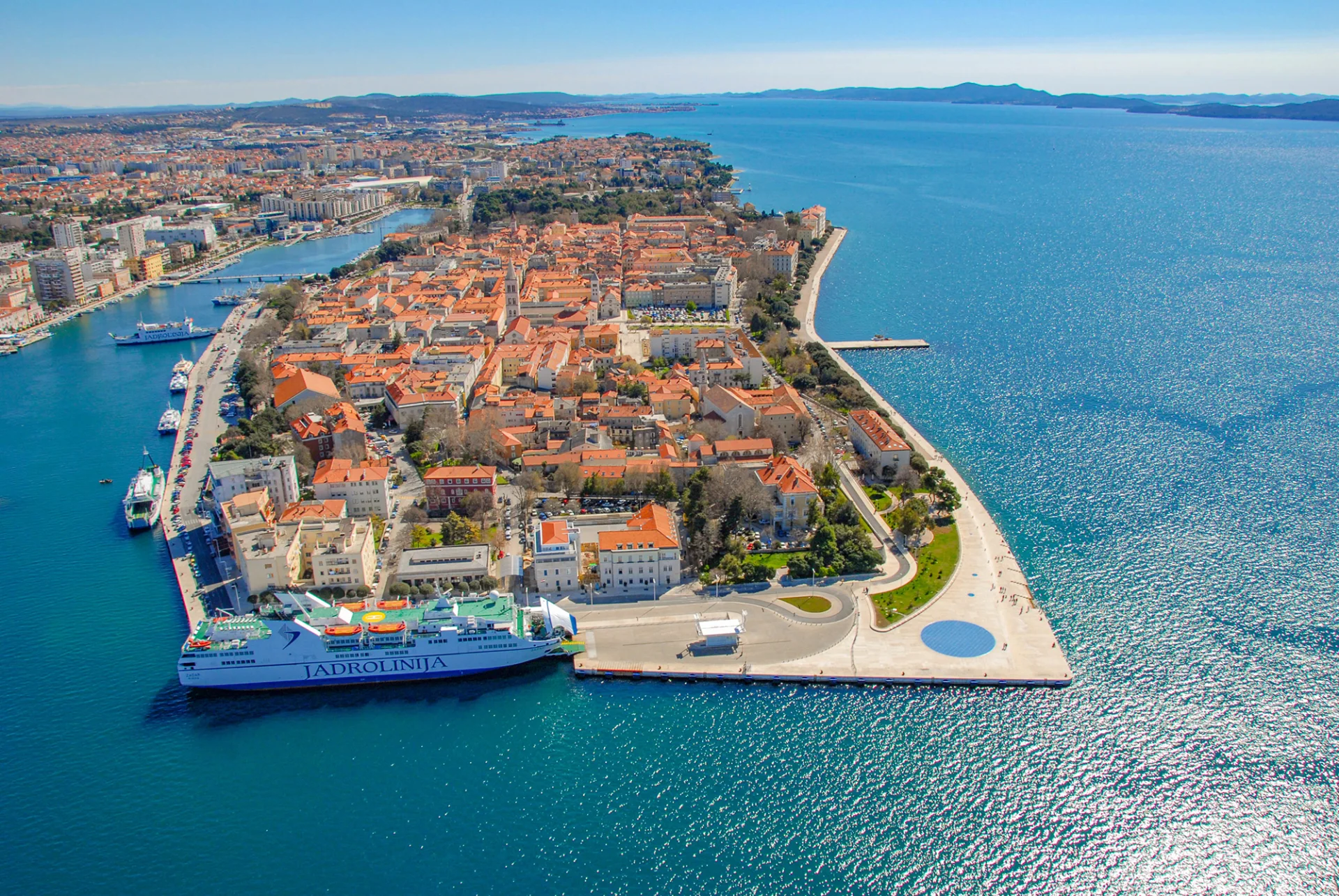
Zadar is the closest major hub to the Kornati islands and Telašćica Nature Park. Zadar Airport, about 8 km from the city, handles many low-cost and seasonal flights from northern Europe, and gulets use Marina Borik and D-Marin Dalmacija in nearby Sukošan. This hub suits weeks built around the Kornati, Telašćica Bay and the Pašman Channel rather than the Split–Hvar–Dubrovnik run. Fewer gulets are based here than in Split, so ask our charter team about availability from Zadar, or read our Zadar charter guide.
Trogir: The Quiet Alternative Near Split
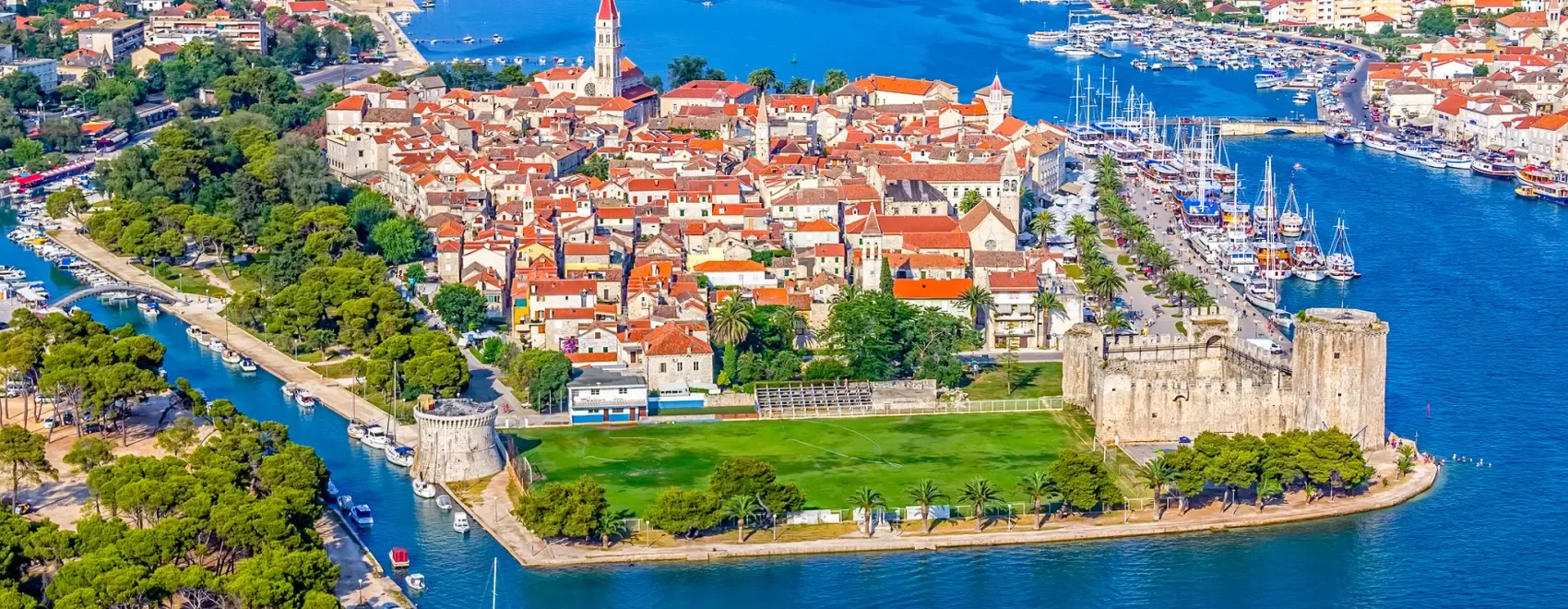
Trogir lies only 10–15 minutes from Split Airport, closer than Split's city marinas, and avoids the congestion of the city centre. That makes it a popular boarding point for groups who want a calmer handover. Its UNESCO-listed old town is a good first or last night, and the surrounding channel leads straight onto Split's island routes. View gulets based in Trogir or read our Trogir charter guide.
Šibenik: Gateway to Krka and the Kornati's Inner Passage
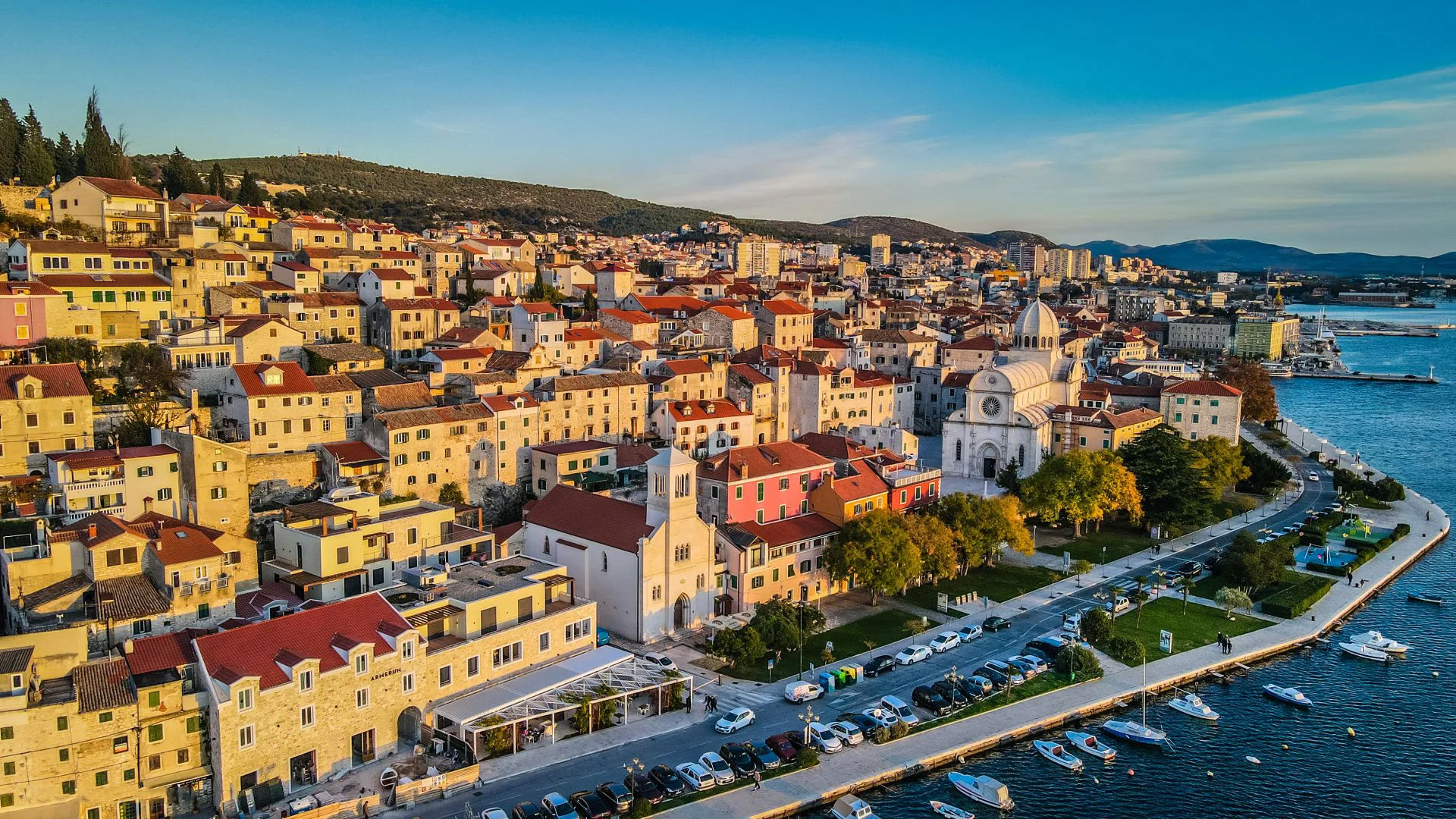
Šibenik gives direct access to Krka National Park, where gulets sail up the Krka estuary to Skradin for the waterfalls, and to the sheltered inner passage towards the Kornati islands. D-Marin Mandalina, a short walk from the old town, handles larger gulets and superyachts, and the town sees a fraction of the cruise-ship crowds that reach Split or Dubrovnik in August. Our head office is in Šibenik, and it is a strong choice for guests who put nature ahead of nightlife. See gulets based in Šibenik or our Šibenik charter guide.
Weather, Winds & Best Time to Charter in Croatia
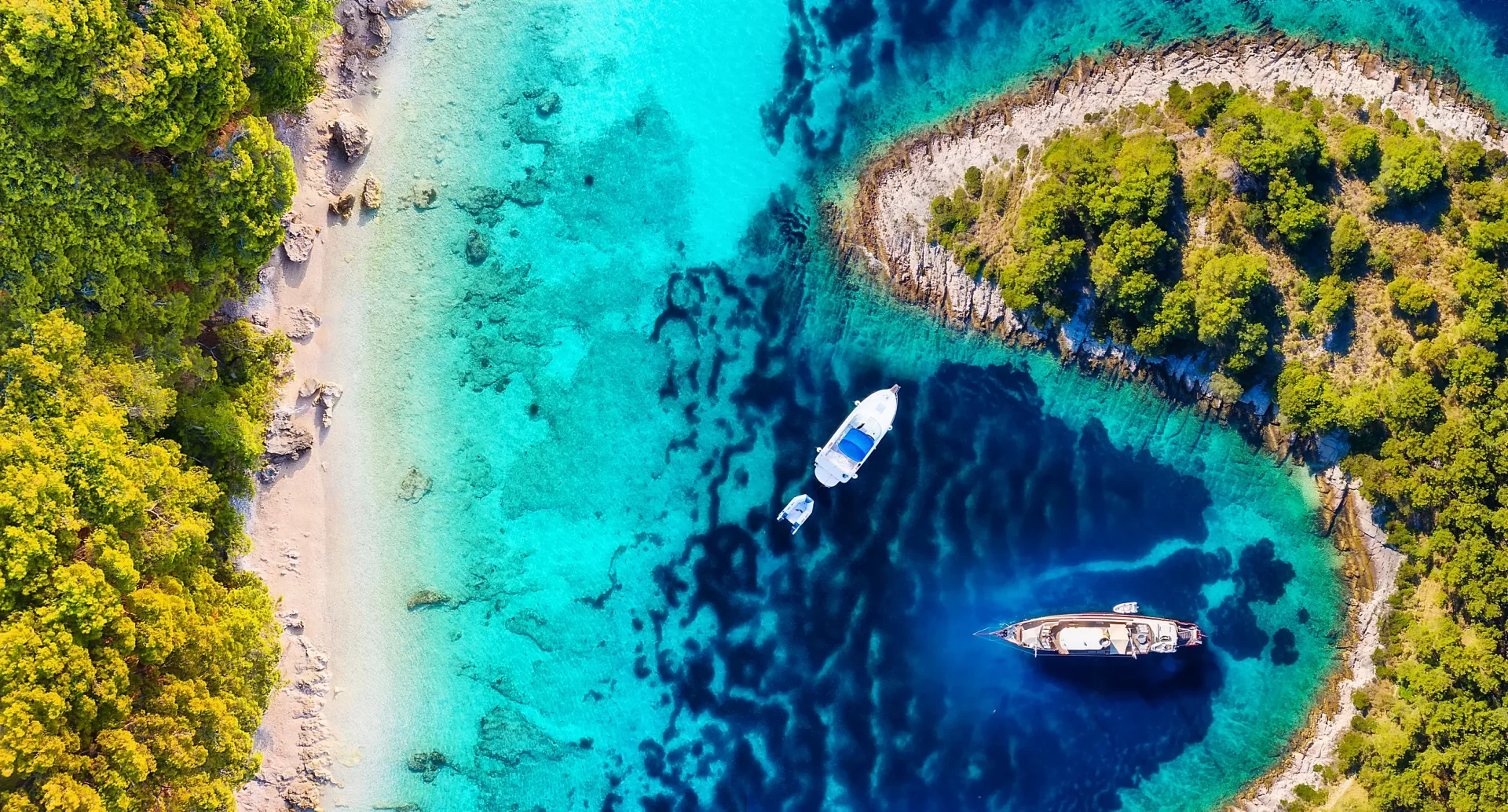
Three winds shape sailing in the Adriatic. The Bora is a strong, cold and gusty north-easterly that can build quickly off the mainland mountains, especially around Senj and the Velebit Channel. The Jugo (sirocco) is a warm south-easterly that brings haze and longer swell, mostly in spring and autumn. The Maestral is a reliable north-westerly afternoon breeze that fills in on most summer days, and it is the wind most gulet routes are planned around. Crews watch Bora forecasts closely, since it can force a change of mooring at short notice.
June to September offers the most settled sailing, with July and August bringing the warmest air and sea and the busiest marinas. May and late September offer calmer harbours, lower rates on many yachts and comfortable swimming without the crowds.
| Month | Typical Conditions | Charter Notes |
|---|---|---|
| May | Mild Maestral, occasional Jugo | Quiet marinas, cooler evenings |
| June | Building Maestral, warm days | Good balance of weather and crowds |
| July | Consistent Maestral, hot | Peak marina pressure, book berths early |
| August | Consistent Maestral, hottest | Highest demand, national park permits fill fast |
| September | Maestral tapering, occasional Bora | Fewer crowds, still warm sea |
| October | Bora risk increases | Limited fleet availability |
Getting to Croatia & Boarding Logistics
Three airports handle almost all charter arrivals: Split Airport (SPU) for Split and Trogir, Dubrovnik Airport (DBV) for the south and Zadar Airport (ZAD) for the north. Šibenik guests usually fly into Split. Private transfers straight to the marina are standard and are usually arranged by your broker together with the charter.
Charters run Saturday to Saturday across almost all Croatian fleets. Boarding usually opens in the afternoon, with a safety briefing and welcome drink before you sail that evening or the next morning. Disembarkation on the following Saturday is usually by 10:00, so the crew can prepare the yacht for the next group.
- Split Airport (SPU): about 25 minutes to ACI Marina Split, around 10 minutes to Kaštela Marina and 10–15 minutes to Trogir
- Dubrovnik Airport (DBV): about 40 minutes to ACI Marina Dubrovnik; Cavtat is a short drive away
- Zadar Airport (ZAD): about 15–20 minutes to Marina Borik and D-Marin Dalmacija
- Šibenik: about 45–60 minutes from Split Airport, or around 75 minutes from Zadar Airport
- Entry and money: Croatia is in the Schengen Area and uses the euro; non-EU guests should check visa rules before booking
How Croatia Gulet Itineraries Work
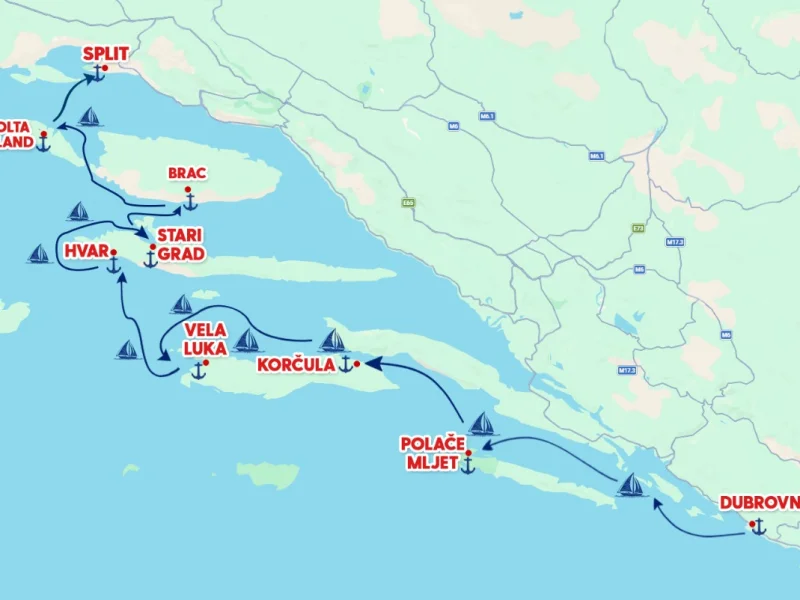
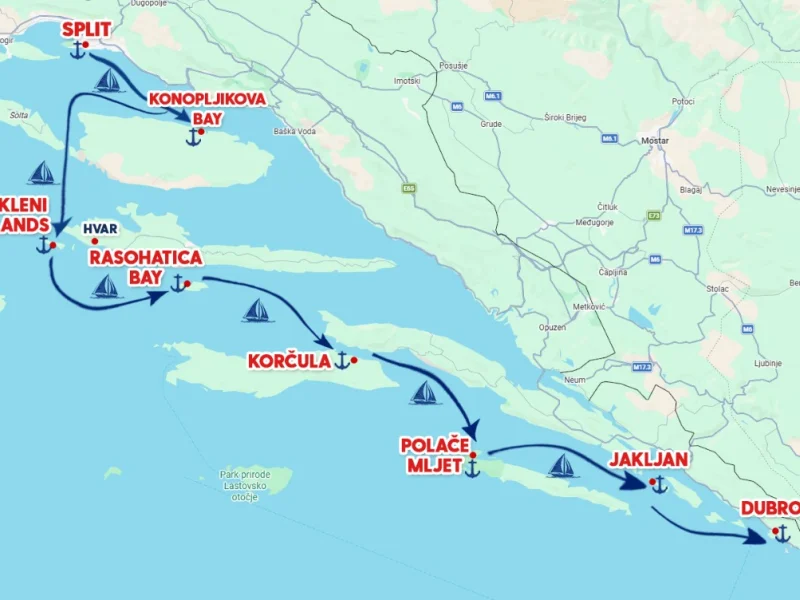
Most Croatian weeks follow one of two patterns: a round trip from one port, or a one-way week between two hubs. The classic one-way plan is the Split to Dubrovnik route, which takes in Brač, Vis and the Blue Cave on Biševo, Hvar and the Pakleni Islands, Korčula and Mljet National Park before finishing near Dubrovnik. If your flights suit the opposite direction, the Dubrovnik to Split route reverses it.
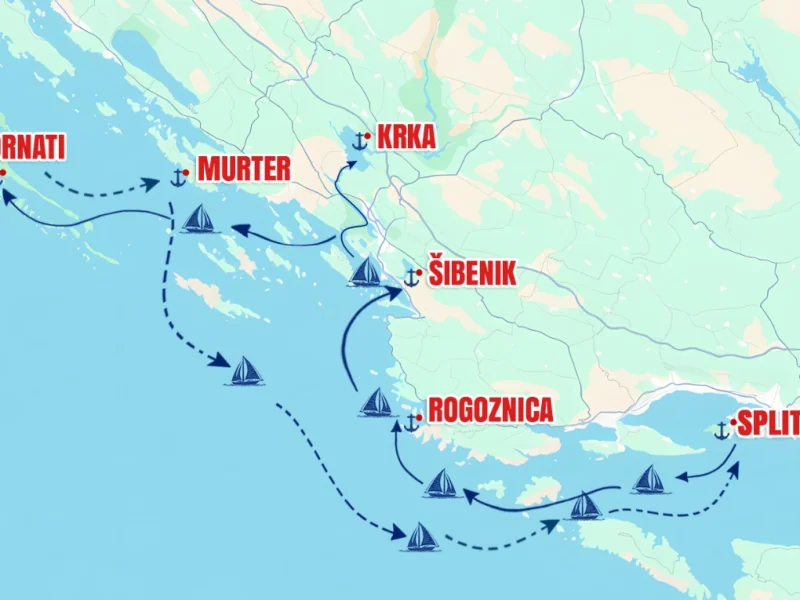
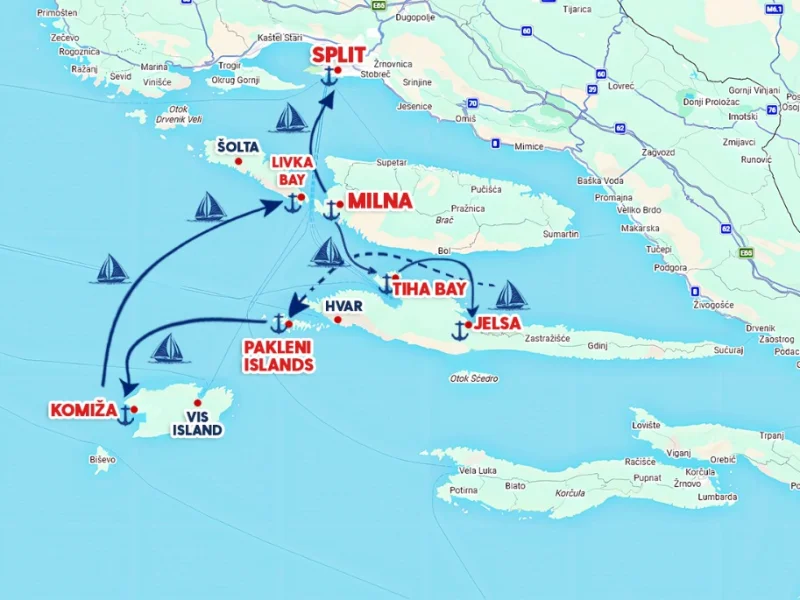
For a round trip, the Split–Split loop visits Šolta, Hvar, Vis, Korčula and Brač, while guests who prefer national parks to heritage towns often choose the Split–Kornati–Split route, with the Krka waterfalls at Skradin, two days in the Kornati and a return via Žirje, Primošten and Trogir. For more ideas, see our guides to the best gulet routes in Croatia and the top 10 Croatian islands to visit by gulet.
How Much Does a Gulet Charter in Croatia Cost?
Weekly starting rates for our Croatian gulets begin at under €20,000 and reach €80,000 or more for VIP-class yachts. Your dates matter as much as the yacht: Gulet Sirena, for example, costs €17,000 a week in May and October and €23,500 in July and August.
Prices are for the whole yacht and usually include the crew, fuel for around three to four cruising hours a day and air conditioning for set hours. Food is sold as per-person half-board or full-board packages, and drinks as a package or with a corkage fee if you bring your own. Port fees, anchorage fees and tourist tax are paid locally in cash during the week, so they depend on your route. Each yacht's page lists its exact terms, and our luxury gulet charter guide for Croatia covers the premium end of the fleet.
Frequently Asked Questions About Croatia Gulet Charters
Do I need a visa for a gulet charter in Croatia?
Croatia joined the Schengen Area and the eurozone in January 2023. EU citizens can travel with a valid ID card or passport, while non-EU guests should check whether they need a Schengen visa before booking. The crew registers your guest list with the port authority, but valid passports and any visas must be arranged before you travel.
What is included in a gulet charter price in Croatia?
The weekly price covers the yacht and its crew, fuel for a set number of cruising hours each day, linen and cleaning. Food and drinks are usually booked as per-person packages, while port fees, anchorage fees, tourist tax and national park tickets are paid during the week. Some larger yachts work on an APA (Advance Provisioning Allowance) instead, so check the terms on your yacht's page.
Can a private charter cross into Montenegro or Italy during a Croatia week?
Some southern itineraries from Dubrovnik can extend into Montenegro's Bay of Kotor, but this needs advance notice for border clearance, usually adds fees and is not possible on every yacht. Crossings to Italy are rare on one-week charters because of the open-sea distance. If Montenegro is on your list, mention it when you enquire, or look at our gulets based in Montenegro.
Do I need a ticket to visit the Kornati or Krka national parks?
Yes. Both Kornati National Park and Krka National Park charge an entry fee per person, which the crew can usually arrange in advance. In peak season, popular moorings and the busiest viewpoints fill up by late morning, so crews leaving from Šibenik or Zadar tend to plan early starts on park days.
How far in advance should I book a gulet for July and August?
For peak weeks, most established Croatian gulets are booked four to six months ahead, especially larger yachts with six or more cabins based in Split and Dubrovnik. Shoulder-season weeks in May, June or September can often be secured with six to eight weeks' notice.
Broker's Tip: Sailing Croatia Beyond the High-Season Crowds
The single biggest improvement to a peak-season week is visiting Krka and the Kornati early in the morning, before the day-trip boats arrive from Zadar and Šibenik. The second is boarding at Trogir or Kaštela rather than in Split city: both are closer to the airport, the handover is calmer and first-night moorings are easier to find. Contact our charter team and we will match the right hub, route and gulet to your dates.
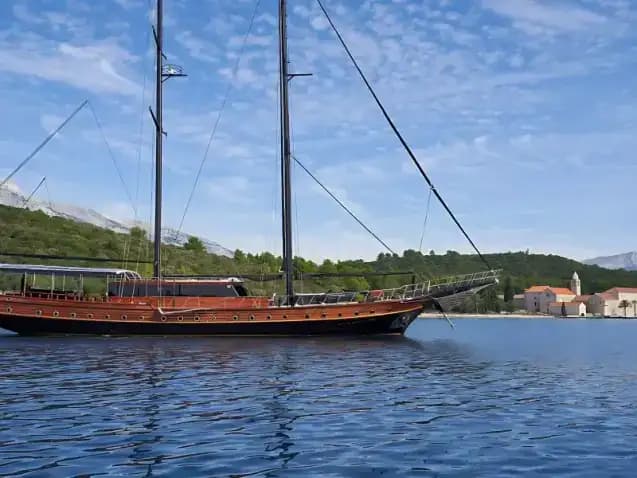
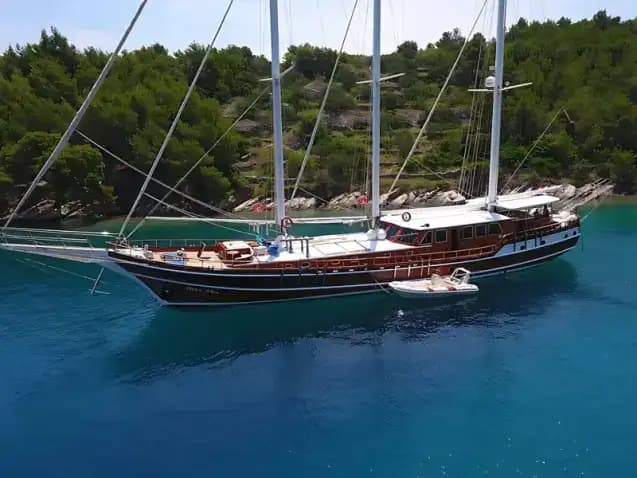
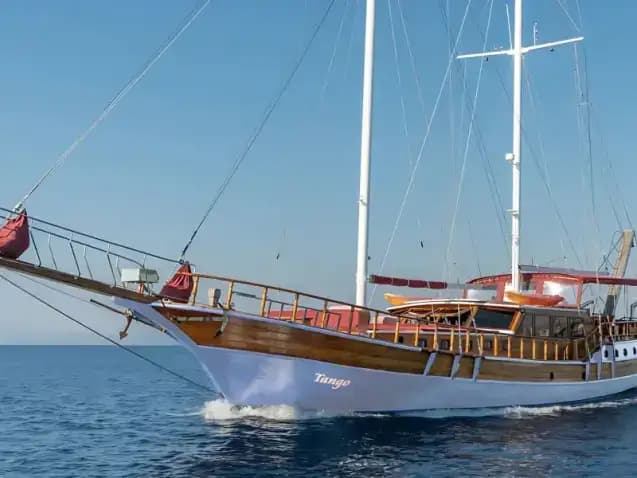
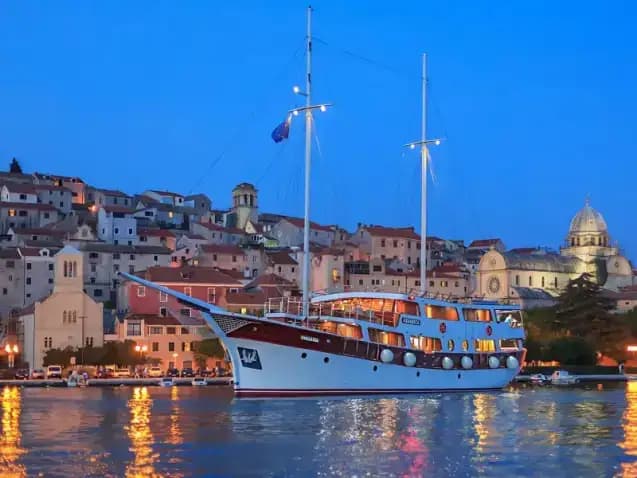
Sail this destination aboard one of our handpicked Croatia gulets
Discover Croatia featured yachts perfect for your journey

Charter this route with our expertly selected gulets
Explore one of our carefully crafted Croatia itineraries
Discover Croatia sailing routes perfect for your next adventure