Trogir Yacht Charter: A Broker's Guide to Boarding on the Dalmatian Coast
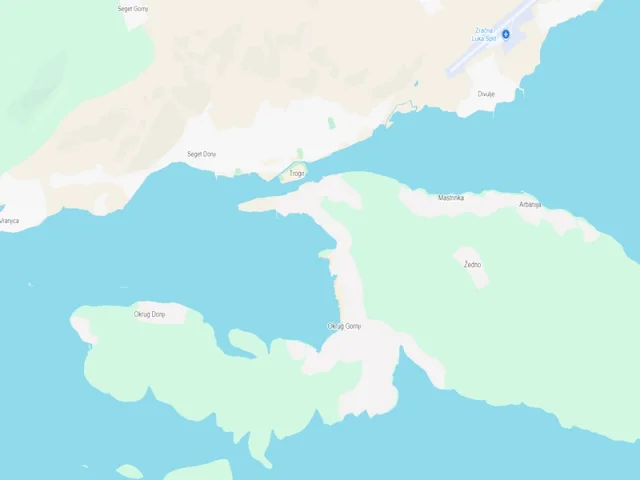
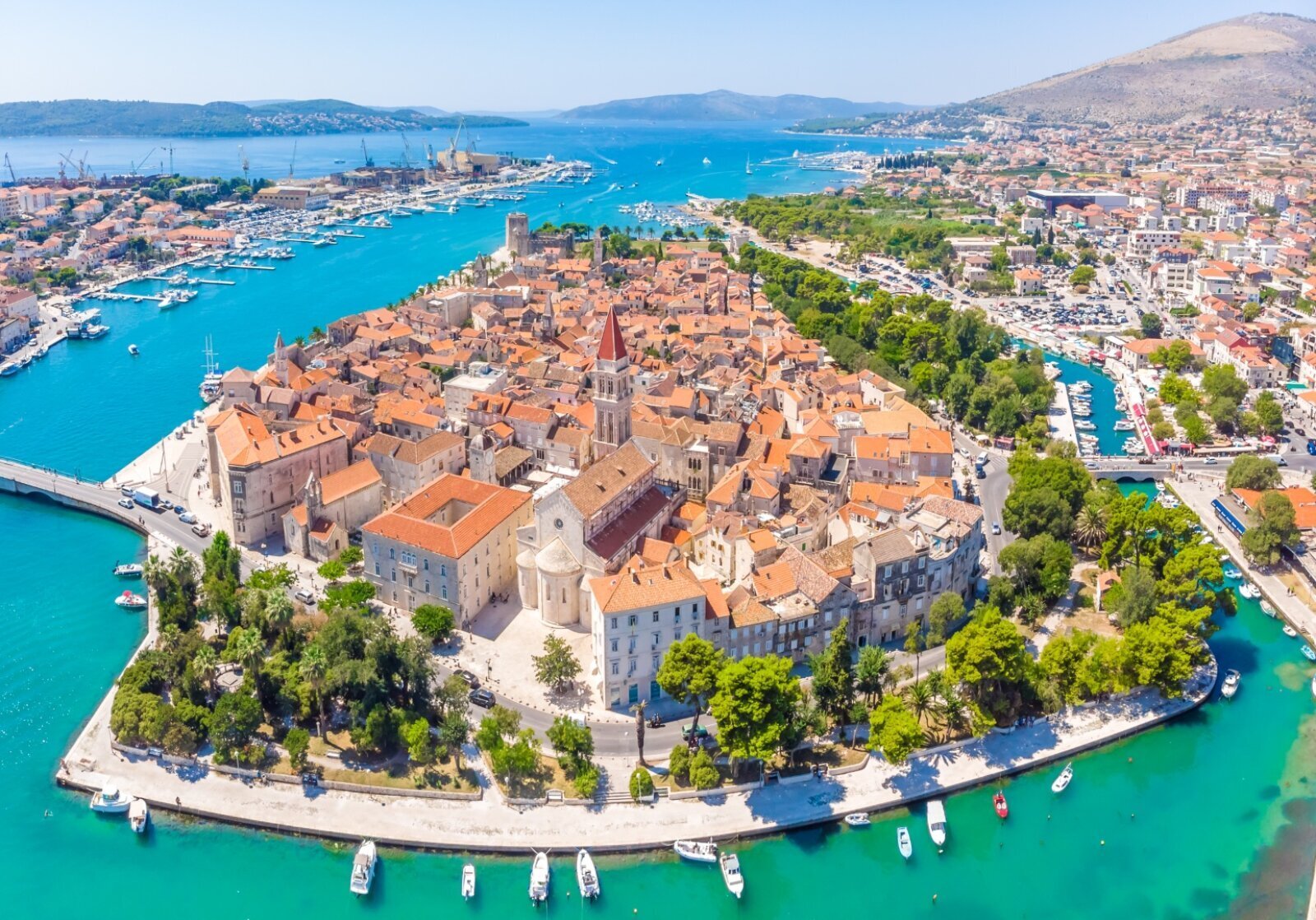
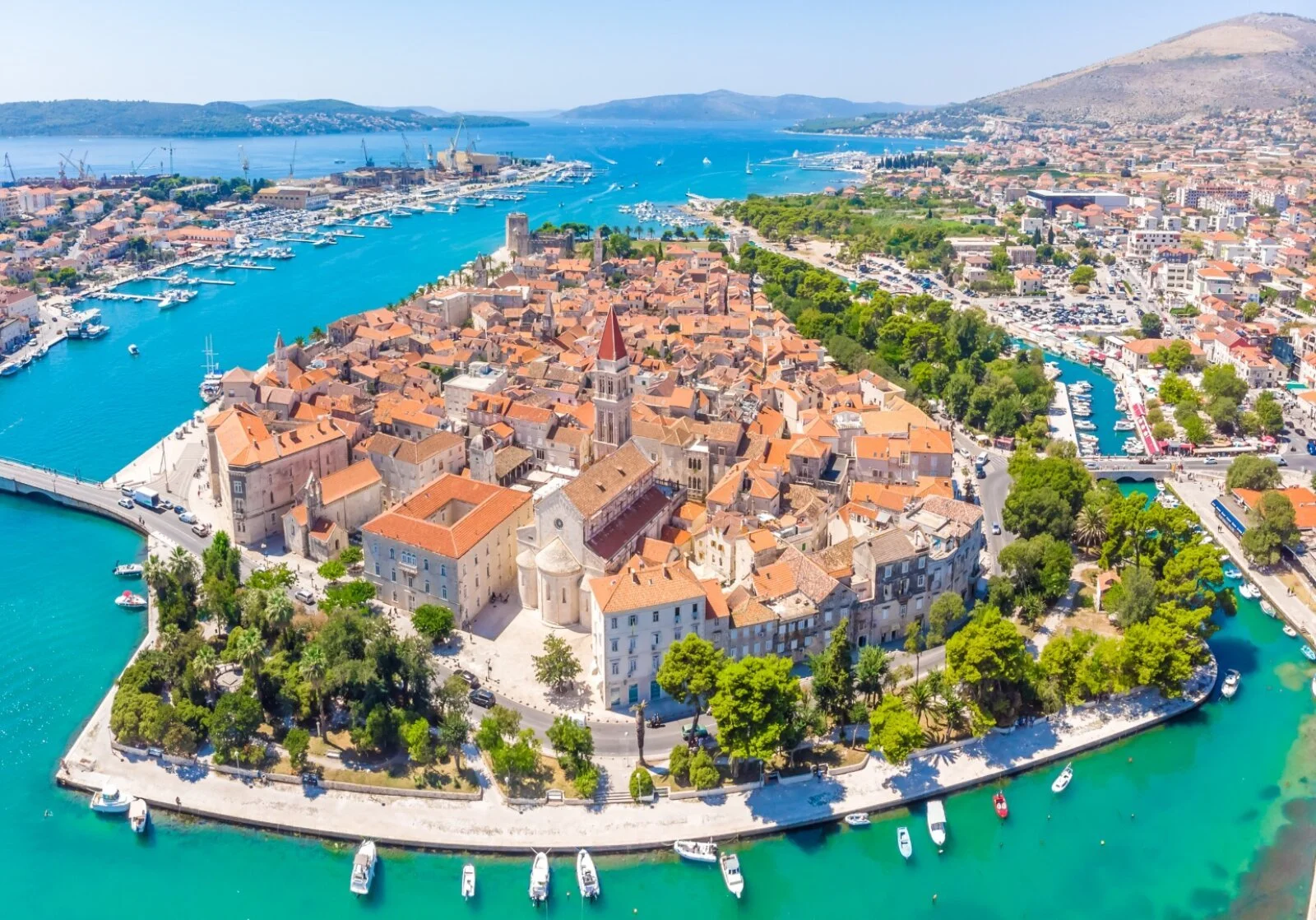
Trogir sits on a small limestone island wedged between the mainland and Čiovo, its UNESCO-listed old town facing the water across a narrow channel lined with cafes and stone quays. For charter guests, the appeal is practical as much as scenic: this is the closest embarkation port in Central Dalmatia to an international airport, and the sailing grounds fanning out toward Šolta, Brač and Hvar start within the hour. We route a fair number of our clients through here specifically because it avoids the summer congestion of the larger Split marinas while keeping every island in the central Adriatic within a comfortable day's sail.
Boarding in Trogir: Marinas, Anchorages and the Old Town Waterfront
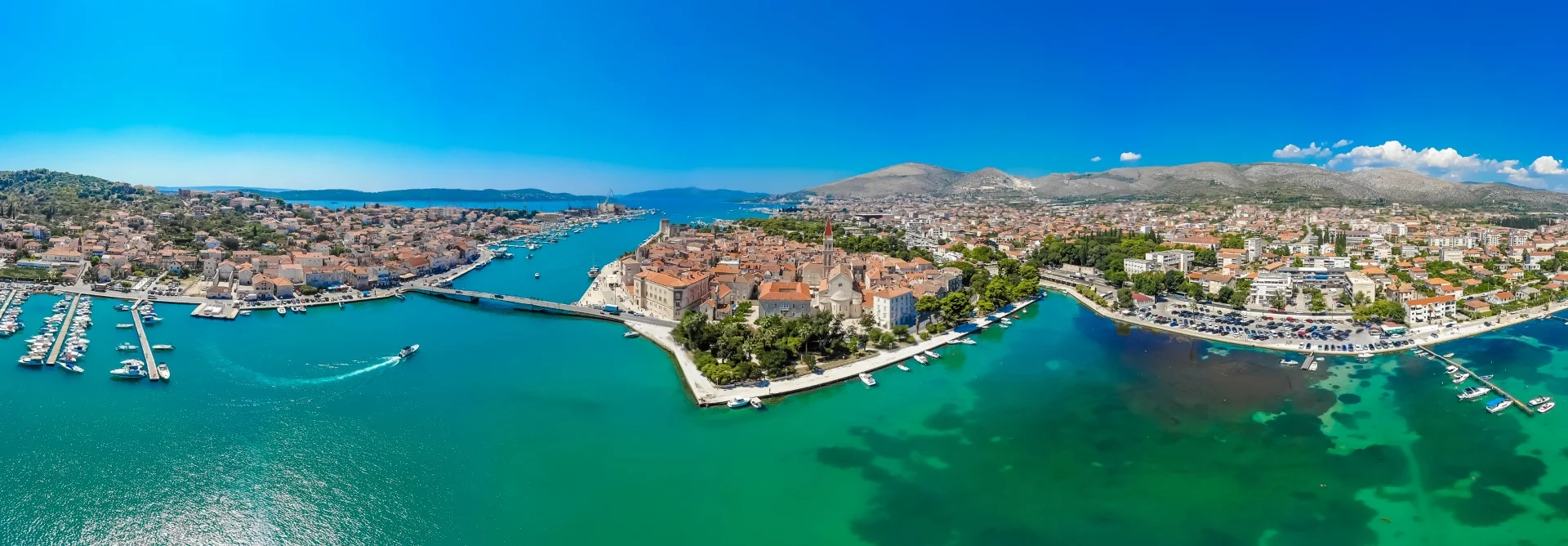
Most private charters based here board at Marina Trogir on the Čiovo side of the channel, a short water-taxi hop or a five-minute walk across the bridge from the old town square. It handles yachts up to roughly 35 metres and offers shore power, fuel, and provisioning close enough that our crews walk the fish market before departure. Larger gulets sometimes berth instead at Seget Marina, a few kilometres west along the coast road, which has deeper berths and easier road access for luggage transfers.
The town waterfront itself, the Riva, is not a charter marina but it is where guests spend their first evening — Romanesque churches, a 15th-century loggia, and konoba restaurants serving black cuttlefish risotto within sight of the boat. If you want a broader look at how this compares to other embarkation towns before deciding, our overview of Croatia destinations lays out the full Adriatic picture port by port.
Sailing Grounds from Trogir: Islands, Channels and Day-Trip Anchorages
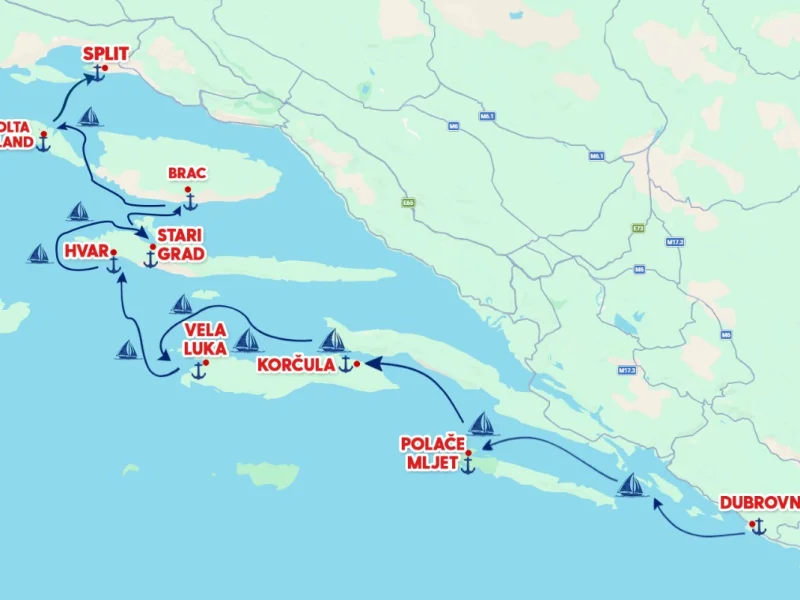
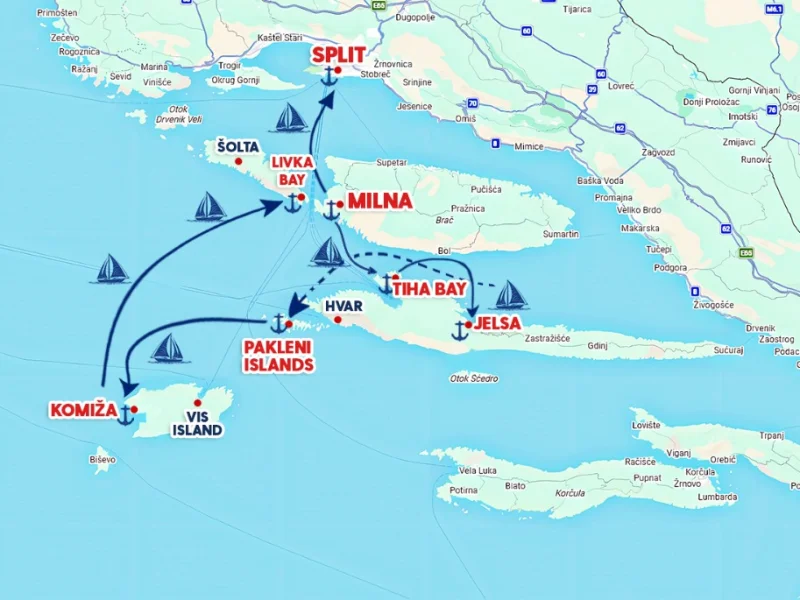
Leaving Trogir, the Split Channel opens south toward Šolta, where Stračinska and Rogač bays give sheltered lunch stops under an hour from the marina. Push further and you reach Brač's Bobovišća and the marble town of Pučišća, or continue to Hvar for the Pakleni Islands anchorages off Hvar Town — a full day's sail but manageable on a week-long loop. Many of our itineraries also route northwest to the Drvenik islands and the so-called Blue Lagoon off Drvenik Veli, a swimming stop rather than an overnight anchorage given its exposure.
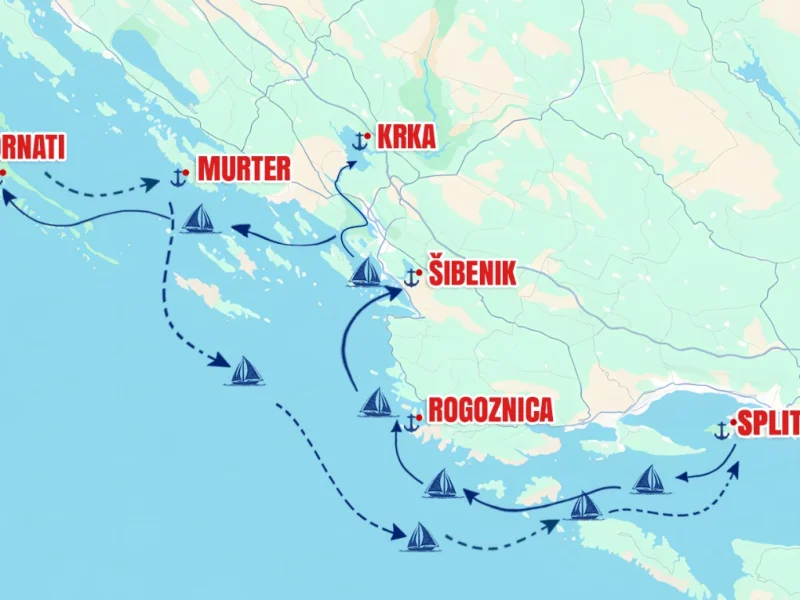
A short detour east up the Krka River estuary toward Skradin brings you close to Krka National Park's waterfalls without the crowds that build up at the Split-based tour boats. For guests weighing whether to base further south, our comparison of Split vs Dubrovnik starting ports is a useful reference, though Trogir itself offers a quieter alternative to both without sacrificing range. Anyone building a longer route should also check our top Croatian islands guide before finalising a plan.
- Šolta (Stračinska Bay) — sheltered lunch anchorage, roughly 45 minutes from Trogir
- Drvenik Veli & Mali — swimming stops and the Blue Lagoon, weather-dependent
- Brač (Bobovišća, Pučišća) — quieter alternative to the busy Bol anchorage
- Hvar Town & Pakleni Islands — a full-day sail, best mid-week to avoid nightlife crowds
- Krka Estuary / Skradin — river approach for waterfall visits, no charter fee required for the boat itself
- Split Old Town — a common one-night stop for guests joining or leaving mid-charter
Getting to Trogir & Boarding Logistics
Split Airport (SPU) sits almost directly across the runway from Trogir's old town — a genuine five to ten-minute drive, which makes this port unusually convenient for guests flying in on a tight schedule. We arrange private transfers directly from the terminal to the marina gate, so there's no need to route through Split city centre. Guests arriving by ferry from Ancona or Split itself can also disembark within walking distance of the boat.
Boarding formalities are handled by the crew before you arrive: provisioning lists are confirmed in advance, and check-in on a private charter is nothing like a hotel arrival — there's no lobby queue, just a walk down the pontoon to your yacht. If this is your first time chartering, it's worth reading how a crewed yacht charter works so you know what the captain and crew will need from you on embarkation day.
- Nearest airport: Split (SPU), roughly 4-6 km from Marina Trogir
- Transfer time: 10-15 minutes by private car
- Alternative arrival: Split ferry terminal, 25 minutes by road
- Check-in window: typically Saturday afternoon, with crew aboard from the morning
- Fuel and provisioning: arranged in Trogir before departure, confirmed by the chef in advance
Weather, Winds & Best Time to Charter from Trogir
Summer sailing here runs on the Maestral, a reliable thermal breeze that builds from the northwest by late morning and dies at dusk — good for an afternoon sail toward Šolta or Brač, less good for a lazy lunch stop with the sails up. Spring and autumn bring the occasional Jugo (a warm, humid southerly that can raise a swell in the Split Channel) and, less often at this latitude, the cold, gusty Bura off the mainland. Our captains plan routes daily around these patterns rather than fixing an itinerary months in advance.
July and August are warmest and busiest, with anchorages around Hvar filling by early afternoon; June and September offer calmer marinas and water still comfortable for swimming. Families with younger children generally do better outside the peak heat of late July, while experienced sailors chasing consistent Maestral afternoons often prefer August despite the crowds. For a broader seasonal breakdown across the Adriatic, see our guide on the best time to charter a gulet.
| Month | Typical Wind | Conditions |
| May | Light Maestral | Cool sea, quiet marinas, good for early bookings |
| June | Maestral, afternoons | Warm, ideal for families, moderate crowds |
| July | Maestral, steady | Hot, busy anchorages, book well ahead |
| August | Maestral, strongest | Peak heat and crowds, best consistent sailing wind |
| September | Maestral easing, occasional Jugo | Warm sea, thinning crowds, excellent value |
| October | Variable, first Bura risk | Cooler, quieter, shorter charter window |
What's Included in a Private Gulet Charter from Trogir
Every yacht we place out of Trogir is chartered as a whole vessel with a professional crew, not sold by the cabin or the night. The weekly rate covers the boat, captain, deckhands and typically a chef; fuel, marina fees at ports of call, and food provisioning are usually run through an Advance Provisioning Allowance (APA) settled at the end of the week against receipts. Guests browsing options can see available yachts for charter in Trogir filtered by cabin count and length before requesting a quote.
- Full crew: captain, deckhand(s), and chef aboard for the whole week
- Fuel for a standard daily cruising allowance (excess sailing charged separately)
- Bed linen, towels, and standard water toys on most gulets (paddleboards, snorkel gear)
- APA for food, drink, marina fees, and mooring charges at ports of call
- Base marina fee in Trogir at embarkation, covered by the owner
If the APA system is unfamiliar, our breakdown of gulet charter prices explains exactly how weekly rates, extras, and gratuities are structured before you sign a contract. You can also browse private gulet charter options across the region to compare layouts and crew sizes.
Broker's Tip
If your week falls in high season, ask your captain to route the first night toward Rogač on Šolta rather than staying in Trogir's marina — it's a working fishing bay, not a resort anchorage, and it lets you clear the airport-adjacent noise while still being close enough to duck back for provisioning. We also suggest sailing to Hvar's Pakleni anchorages on a weekday rather than a weekend; the same bays that feel crowded on Saturday are nearly empty by Tuesday, and the water clarity off islands like Palmižana doesn't change with the day of the week, only the number of boats in it.
Frequently Asked Questions About Chartering from Trogir
Is Trogir better than Split for starting a gulet charter?
Trogir sits essentially at Split's front door, sharing the same airport, but its marina is smaller and less congested in peak season. Guests who want the same sailing grounds — Split destinations covers the wider comparison — without the crowded pontoons often choose Trogir purely for the calmer embarkation experience.
How far can we sail from Trogir in a typical week?
A standard seven-night loop comfortably covers Šolta, Brač, Hvar, and back via the Drvenik islands or the Krka estuary, with two to three hours of sailing most days. Guests wanting to reach further south toward the Kornati or up toward Zadar should plan a one-way itinerary rather than a round trip; our Croatia sailing routes page maps out several standard week-long plans.
Do we need a visa or special permit to sail between Croatian islands?
No special sailing permit is required for cruising within Croatian territorial waters on a private charter; the captain handles the vessel's harbour master registrations at each port. EU and many non-EU passport holders enter under standard visa rules for Croatia itself, so check passport requirements separately from the charter arrangements.
What is typically not included in the weekly charter price?
The APA covers food, drink, fuel beyond a standard allowance, and mooring fees at ports outside Trogir, so these are settled separately from the base weekly rate. Crew gratuities, any scuba diving or watersports excursions with external operators, and Krka National Park entrance tickets are also generally paid on top.
Can we combine a Trogir charter with a stop in Dubrovnik?
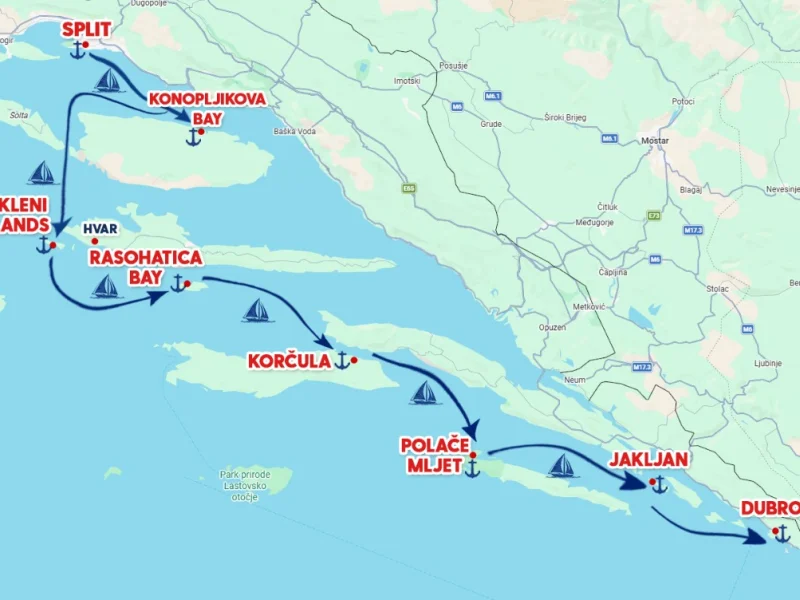
Trogir to Dubrovnik is roughly a two-day sail one-way, which works as a one-way charter with disembarkation in the south rather than a round trip within a single week. Guests considering this route should compare timing with Dubrovnik destinations before booking flights, since return transfers add cost if the charter is one-way.
How many guests and cabins are typically available on gulets from Trogir?
Fleet options based here range from smaller 4-cabin gulets suited to a single family through to larger vessels with 6-8 cabins for group charters. You can explore our full fleet filtered by cabin count, length, and departure port to match guest numbers to the right vessel before requesting availability for your dates.
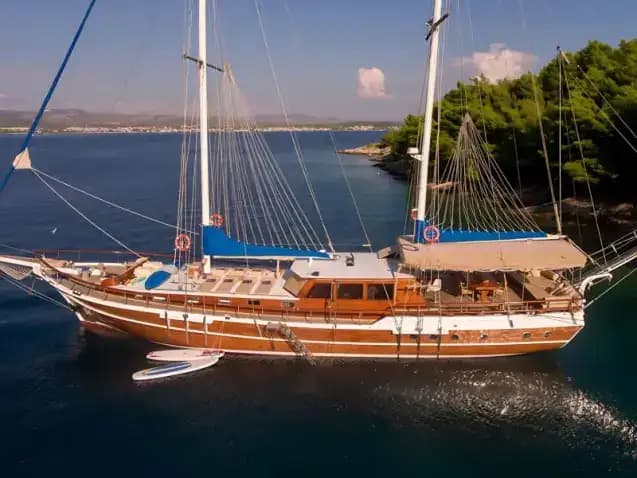
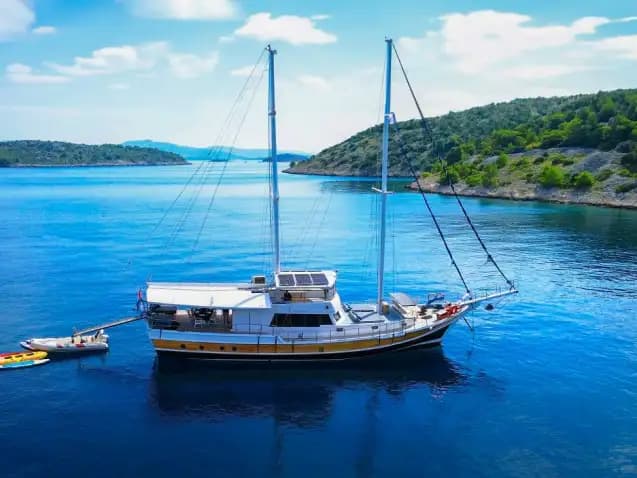
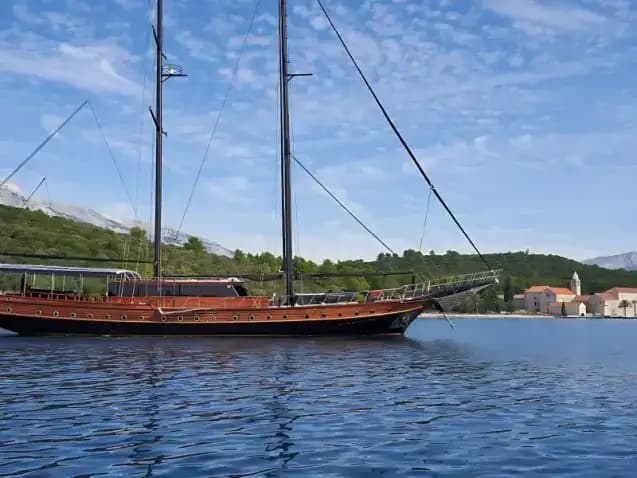
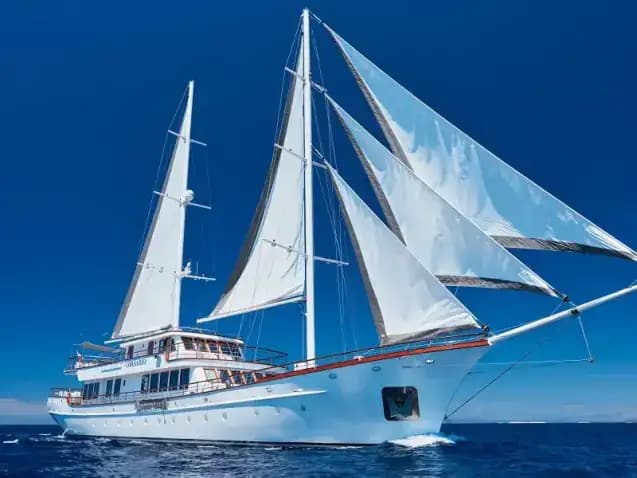
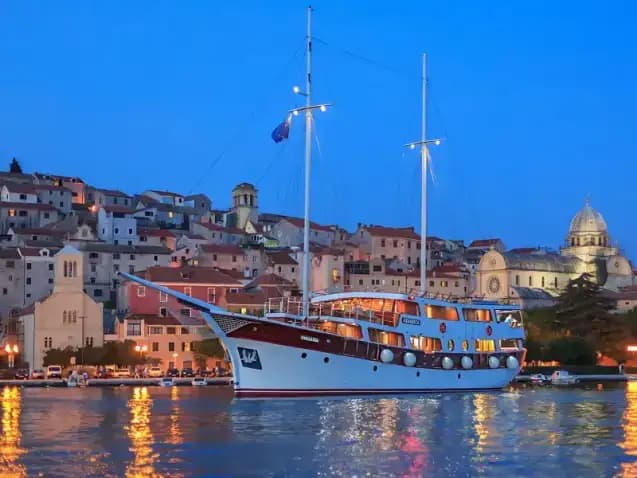
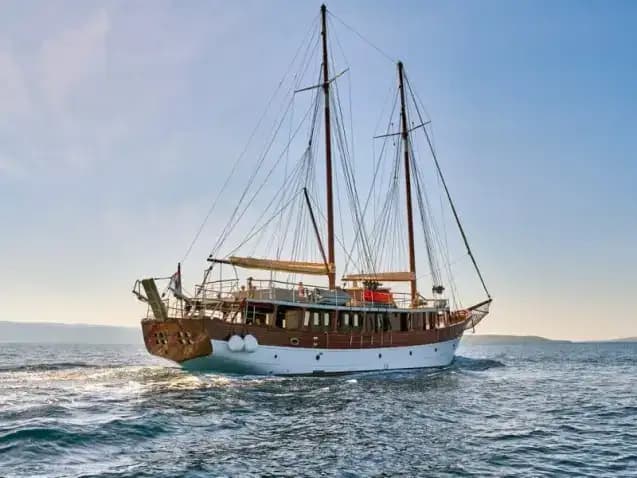
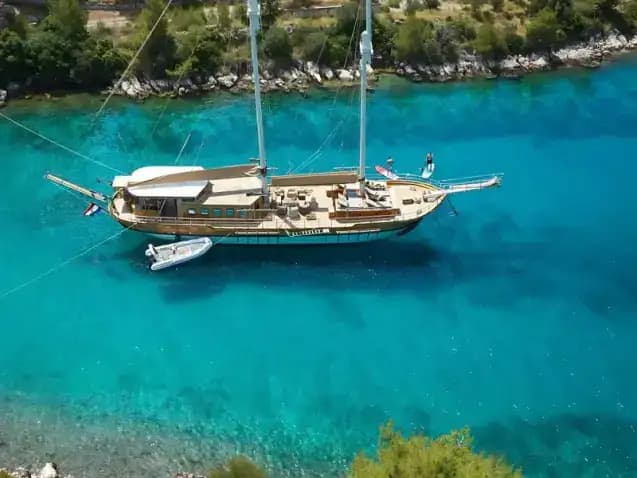
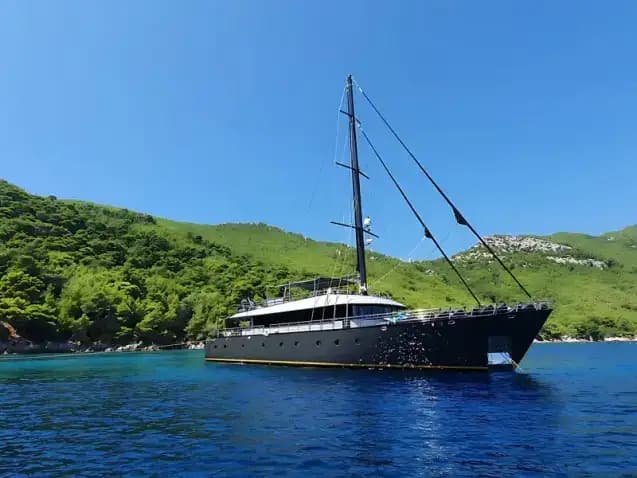
Sail this destination aboard one of our handpicked Trogir gulets
Discover Trogir featured yachts perfect for your journey

Charter this route with our expertly selected gulets
Explore one of our carefully crafted Trogir itineraries
Discover Trogir sailing routes perfect for your next adventure