
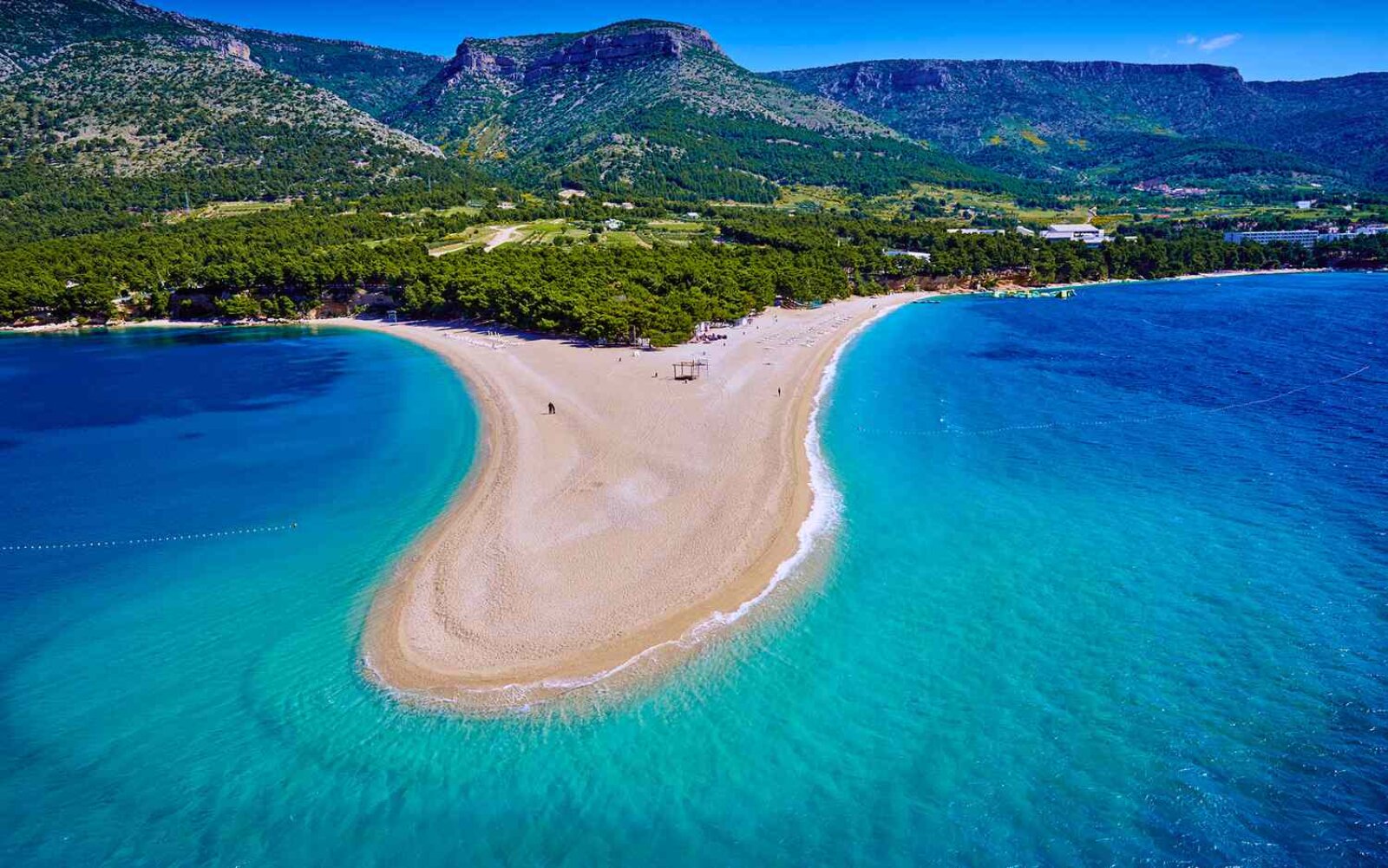
Split Gulet Yacht Charter: The Broker's Guide to Croatia's Dalmatian Gateway
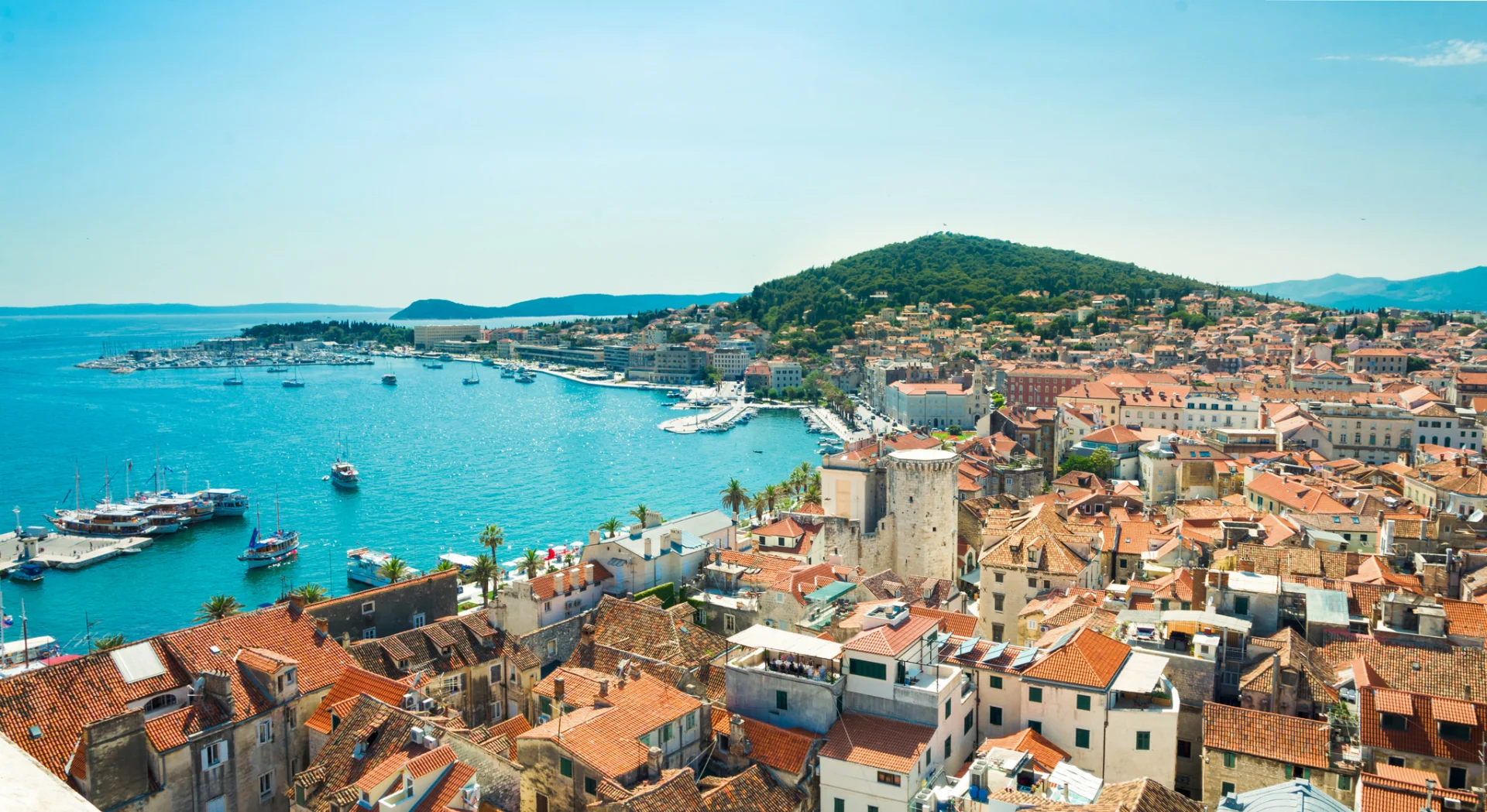
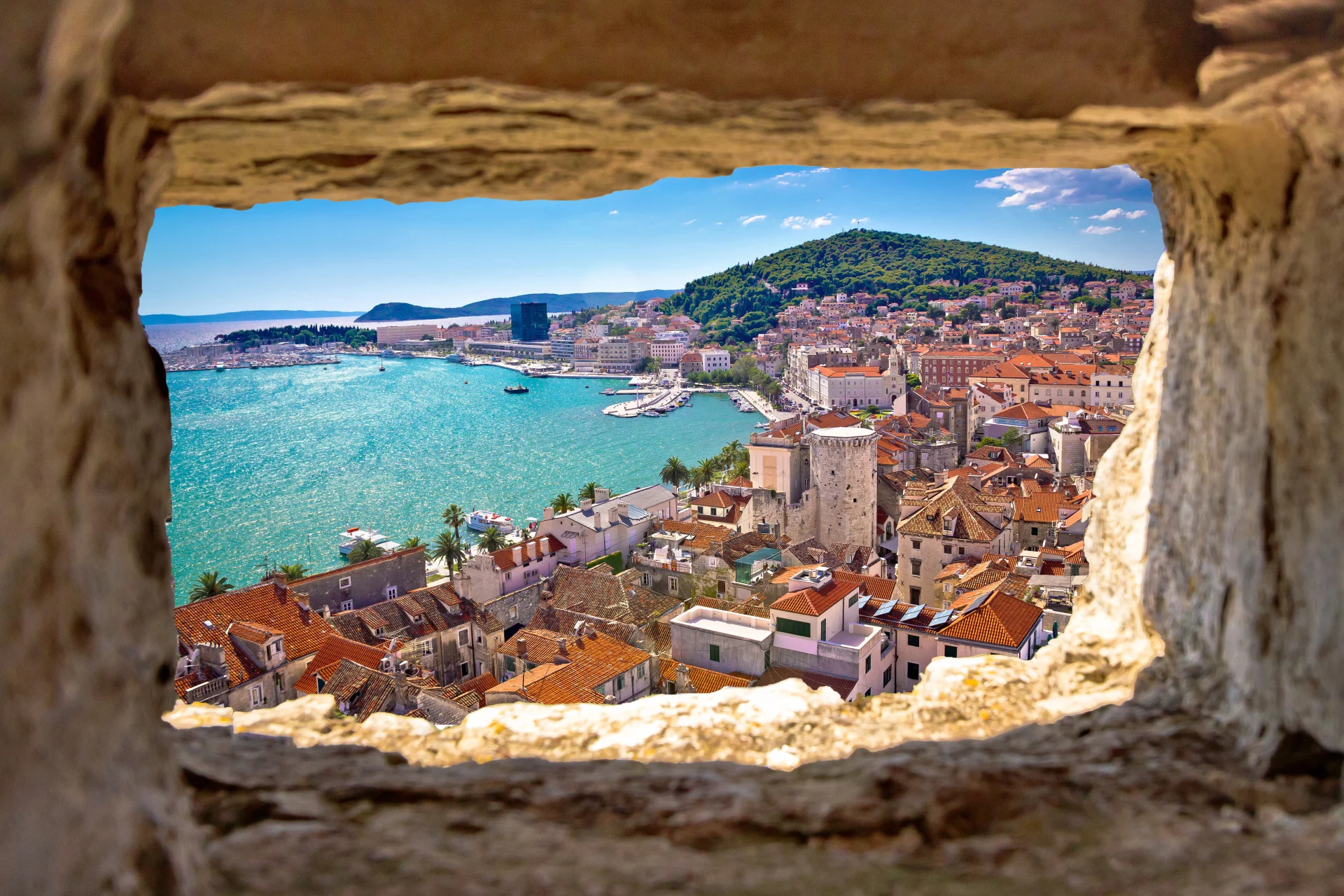
Split sits on the Dalmatian coast where a working Roman-era port doubles as one of the busiest charter bases in the Adriatic. Boarding a private gulet here means you clear customs, load provisions, and are anchoring off Split's Riva waterfront or the islands within a couple of hours. For guests comparing bases across the region, our overview of Croatia destinations puts Split's logistics next to Dubrovnik and Zadar.
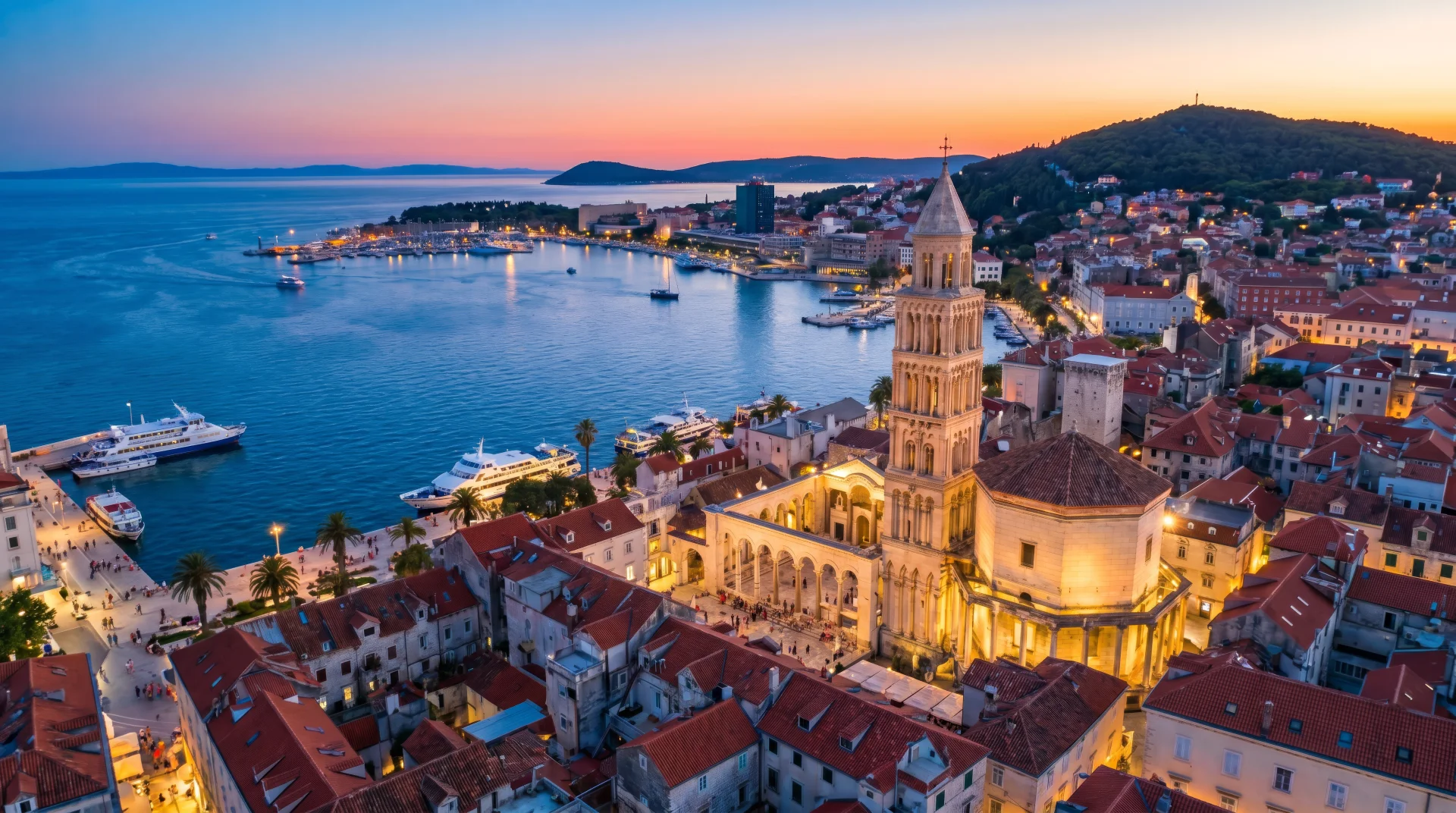
This is not a resort town built for tourists — it is a functioning city with a 1,700-year-old Diocletian's Palace at its core, a working ferry terminal, and an airport that handles more European connections than any other on the Croatian coast. That combination of accessibility and authenticity is why so many charter itineraries start and end here rather than further south.
Why Charter Brokers Recommend Split as a Starting Port
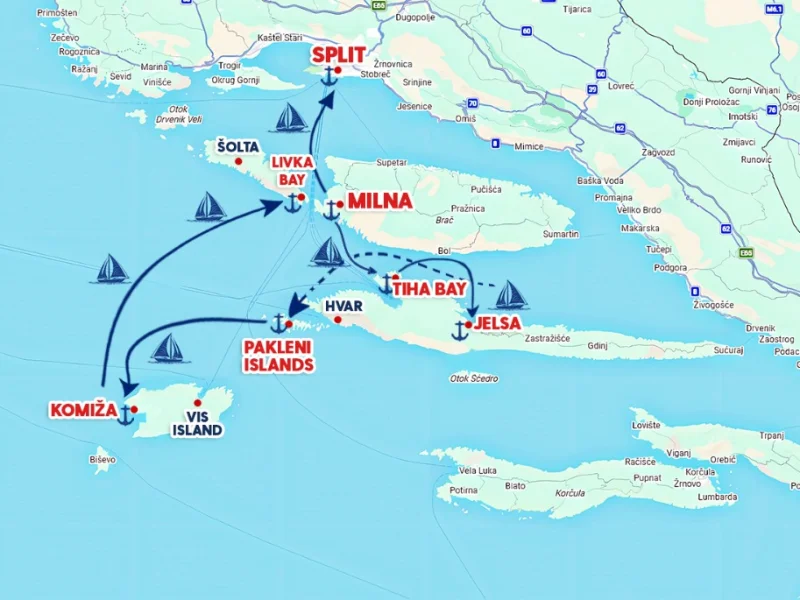
Split's position is the real advantage: it sits almost exactly midway along the Croatian coast, giving a one-week charter enough range to reach Hvar, the Pakleni Islands, Vis, and the Kornati archipelago without long open-water transits. Guests wanting a round trip rather than a one-way route often follow a Split round-trip route that loops through these islands and returns to the same berth.
For those who prefer a linear itinerary ending in a different city, the classic Split to Dubrovnik route covers roughly 130 nautical miles of coastline over seven to ten days, threading through the Elaphiti Islands before the final approach to the old city walls.
Getting to Split & Boarding Logistics
Split Airport (SPU) is roughly 25 minutes from the city marinas and handles direct flights from most major European hubs, plus seasonal long-haul connections. Private transfer arrangements are the norm for charter guests, avoiding taxi queues at the small arrivals hall during the July and August peak.
- Split Airport (SPU) — 25 minutes by road to the ACI Marina Split and city harbor berths.
- Split ferry terminal — connects to Hvar, Brač, Šolta, and Vis; useful for early scouting trips or crew changes.
- Split train station — adjacent to the port, linking to Zagreb for guests arriving overland.
- Boarding time is typically 4:00–5:00 PM on embarkation day, following the standard Saturday-to-Saturday charter week.
- Provisioning and welcome drinks are usually arranged by the crew before you step aboard, based on the preference list submitted in advance.
Most charters based here board at ACI Marina Split, a few minutes' walk from the Riva promenade, or at one of the smaller private berths along the harbor. If you're weighing Split against the southern option, our comparison of Split vs Dubrovnik starting ports breaks down flight access, island proximity, and pricing differences in more detail.
Sailing Grounds Around Split: Islands, Anchorages and Day Routes
The first day out of Split usually runs to Trogir or across to Bobovišće on Brač, both short enough hops to let guests settle into the rhythm of the boat. From there, most itineraries push toward Hvar Town and the nearby Pakleni Islands, a chain of pine-covered islets with quiet coves like Palmižana that empty out once the day-trip boats from Split leave in late afternoon.
Further west, Vis remains the least developed of the major islands — a legacy of its decades as a closed military base — and anchorages like Stiniva Cove and Stončica Bay reward the extra sailing distance. Guests with more time in their week often continue to the Kornati National Park, a limestone archipelago of over 140 islands with almost no permanent population, best explored via the Split to Kornati Island route.
- Trogir — UNESCO old town, 1-2 hour sail, good first-night anchorage or marina stop.
- Hvar Town & Pakleni Islands — nightlife ashore, quiet coves offshore, roughly 3-4 hours from Split.
- Vis Island — Stiniva and Stončica bays, blue and green caves nearby on Biševo.
- Kornati Islands — full-day or multi-day detour, bare limestone islets and marine park fees apply.
- Brač Island — Bobovišće and Milna harbors, close enough for a relaxed half-day sail from Split.
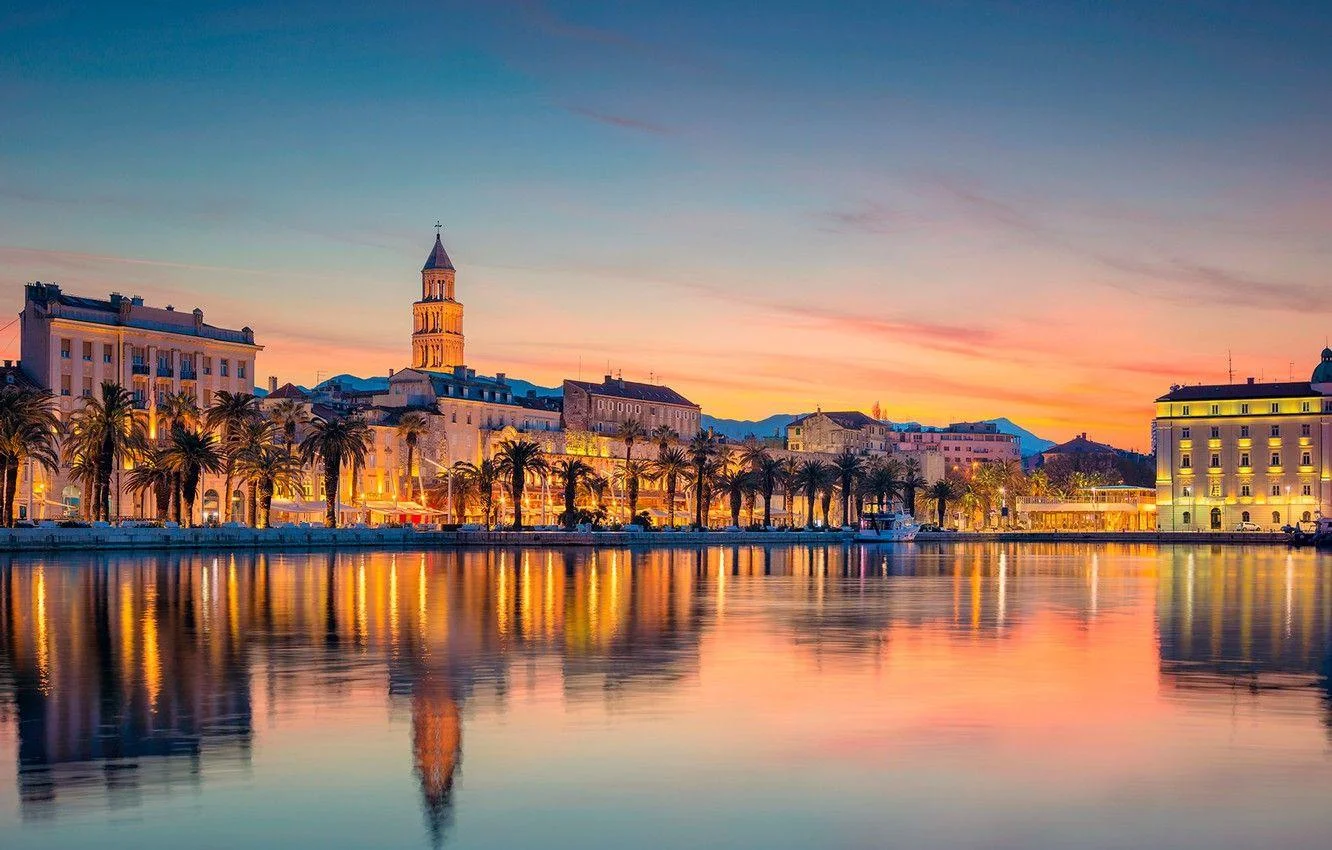
Weather, Winds & Best Time to Charter from Split
Two winds define sailing out of Split. The Maestral is a reliable summer sea breeze, building through the morning and holding steady from the northwest into the afternoon — ideal for guests who want to actually sail rather than motor between anchorages. The Jugo, a warm southeasterly, brings longer swells and can settle in for days at a time, usually outside the July-August peak.
June and September offer the most comfortable sailing conditions — steady Maestral afternoons, water still warm enough for swimming, and considerably fewer boats crowding the popular bays around Hvar. Families with younger children often prefer this window, while experienced sailors chasing stronger afternoon breeze lean toward July. For a broader seasonal breakdown across the region, see our guide on the best time to charter a gulet.
| Month | Typical Wind | Sailing Conditions |
|---|---|---|
| May | Light Maestral, occasional Jugo | Cool water, quiet anchorages, mild days |
| June | Steady Maestral afternoons | Warm, reliable breeze, moderate crowds |
| July | Strong Maestral, stable | Peak heat, busiest bays, best breeze for sailing |
| August | Maestral, brief Jugo spells | Peak season, warm sea, book anchorages early |
| September | Maestral easing, Jugo returns | Warm water, fewer boats, excellent value |
| October | Increasing Jugo and Bura | Cooler, variable, best for experienced crews |
What's Included on a Private Gulet Charter from Split
A weekly charter rate on a private gulet charter covers the vessel, a professional crew (captain, chef, and deckhands depending on yacht size), fuel for a standard cruising itinerary, and mooring in most public anchorages. It does not typically include marina berthing fees for premium harbors like Hvar Town during peak weeks, park entrance fees for the Kornati or Krka, or the APA (Advance Provisioning Allowance) that covers food, drink, and dockage on a pass-through basis.
If this is your first time chartering, our step-by-step explanation of how a crewed yacht charter works covers the APA system, tipping conventions, and how provisioning lists are handled before you board in Split. For rate expectations by yacht size and season, the guide to gulet charter prices is a useful reference before requesting a quote through Split yacht charter listings.
Broker's Tip
In August, skip the crowded main harbor at Hvar Town and have your captain anchor instead off Ždrilca Bay on the Pakleni side, a fifteen-minute tender ride from the nightlife but genuinely quiet after 9 PM. It is also worth asking your captain to time the Vis crossing for early morning departure from Split — the Maestral hasn't built yet, the water is glassy, and you avoid the afternoon queue of day-trip catamarans converging on the Blue Cave at Biševo.
Frequently Asked Questions
Do I need a specific visa or paperwork to board a gulet in Split?
EU, UK, and US passport holders typically enter Croatia under standard tourist rules with no additional charter-specific paperwork. Your crew handles the vessel's port entry and clearance formalities directly with the harbor master in Split, so guests only need a valid passport and, where applicable, a Schengen-compliant visa.
How far in advance should I book a gulet charter from Split in summer?
For July and August departures, six to nine months ahead is standard practice, particularly for larger gulets with five or more cabins. Shoulder-season charters in May, June, or September can often be arranged with two to three months' notice through our full fleet.
Can we cross from Split into Montenegro or Italy during a one-week charter?
A one-week charter from Split rarely allows enough time to reach Montenegro (roughly 130 nautical miles south of Dubrovnik) and return within the same week without sacrificing island time. Guests interested in a Montenegro extension usually book a two-week itinerary or start their charter further south; see explore Montenegro destinations for standalone options.
Are marina fees and national park entrance fees included in the charter price?
No. Marina berthing in premium ports and entrance tickets for the Kornati National Park or Krka waterfalls are charged separately, usually drawn from the APA. Your broker will estimate these costs upfront based on your requested itinerary so there are no surprises mid-charter.
What size gulet is realistic for a family group of eight sailing from Split?
A gulet in the 24 to 30 meter range with four to five cabins comfortably suits eight guests, leaving room for a shaded aft deck and a reasonable crew-to-guest ratio. Smaller family groups sometimes prefer a 20-22 meter vessel for a more intimate feel and slightly lower weekly rate.
Is Split better than Dubrovnik for a first-time Croatia charter?
Split generally offers easier flight access and puts you closer to Hvar, Vis, and the Kornati islands within a single week, while Dubrovnik suits guests prioritizing the walled city itself and a run through the Elaphiti Islands. Both are strong starting points; the choice comes down to which islands matter more to your itinerary, a decision covered fully in our Split vs Dubrovnik starting ports comparison.
Planning Your Split Charter: Next Steps
Split works whether you're planning a round-trip loop through the central Dalmatian islands or a one-way run south toward the old city walls. Browse yachts for charter in Croatia by cabin count and layout, cross-check itinerary options under Croatia sailing routes, and if the islands themselves need more research first, our rundown of the top Croatian islands is a solid starting point before you commit to a week aboard.
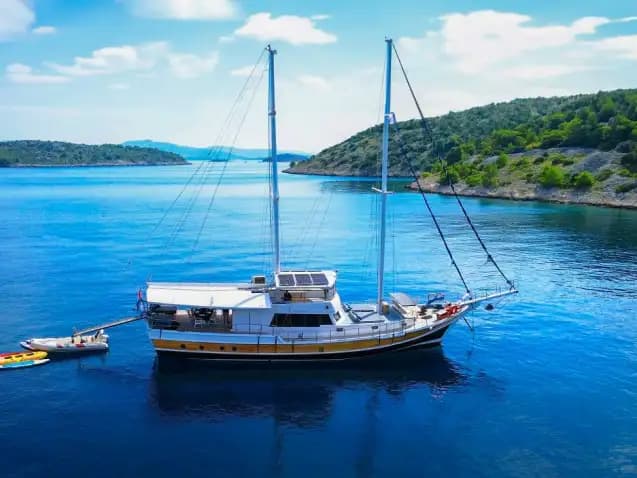
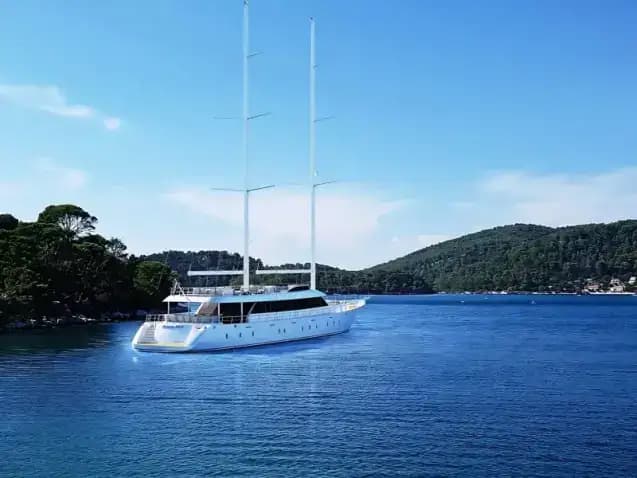
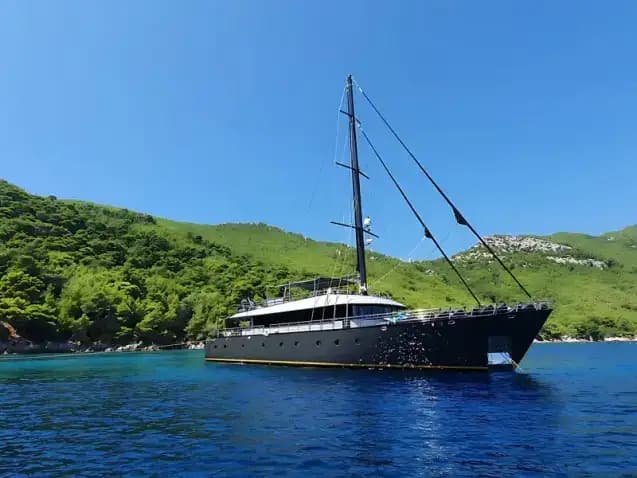
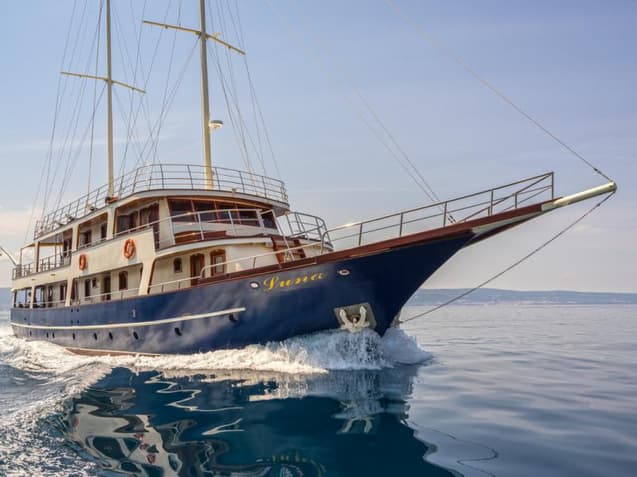
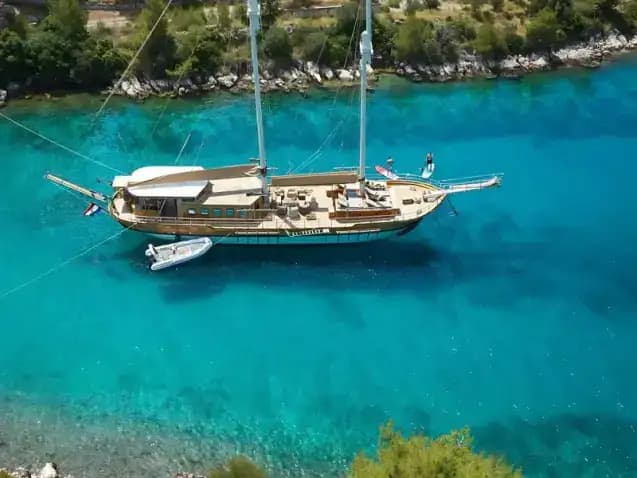
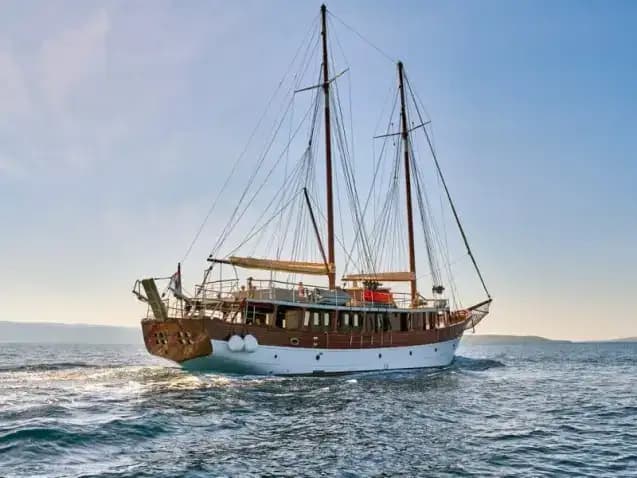
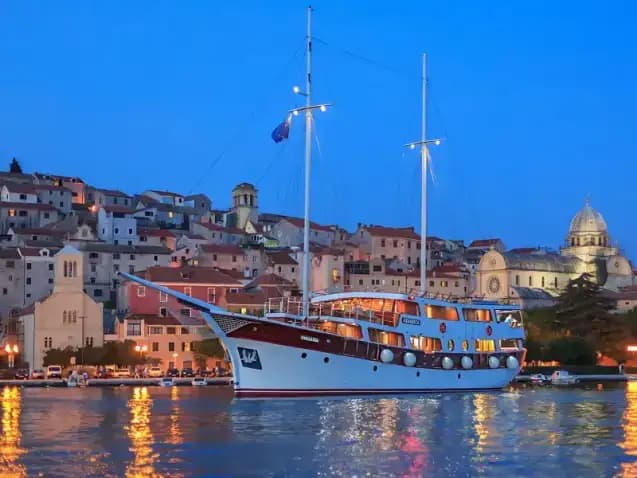
Sail this destination aboard one of our handpicked Split gulets
Discover Split featured yachts perfect for your journey

Charter this route with our expertly selected gulets
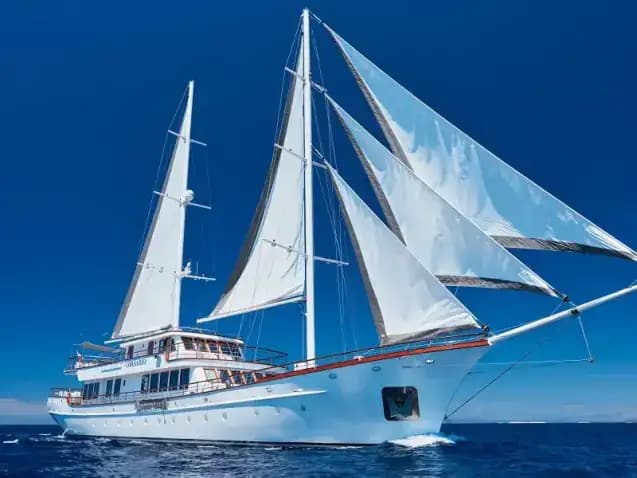
Explore one of our carefully crafted Split itineraries
Discover Split sailing routes perfect for your next adventure
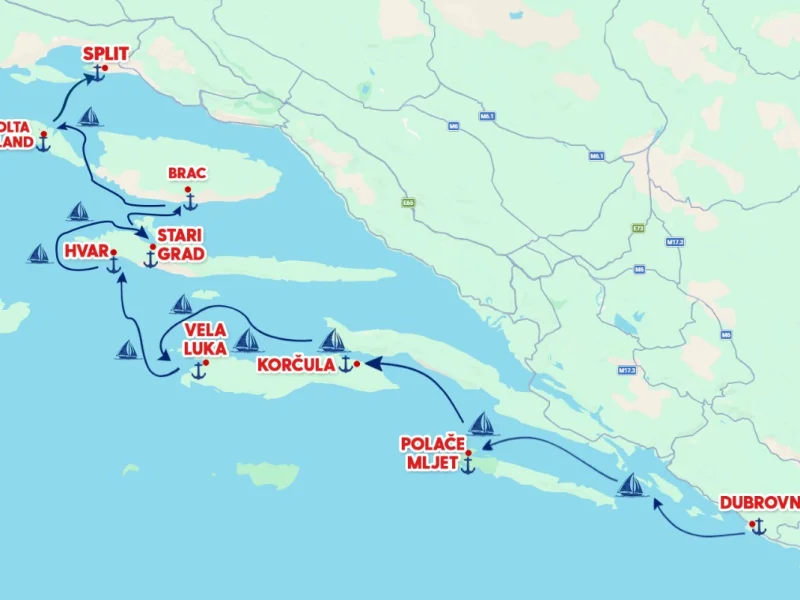
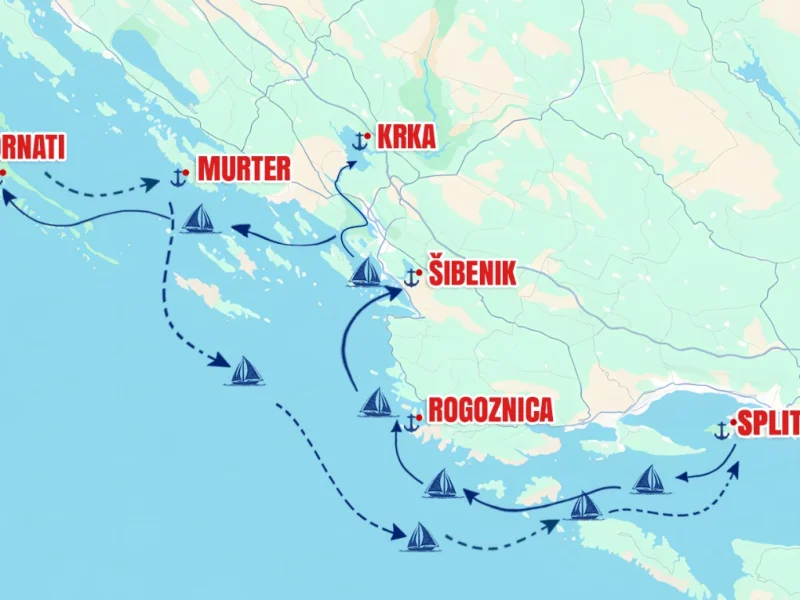
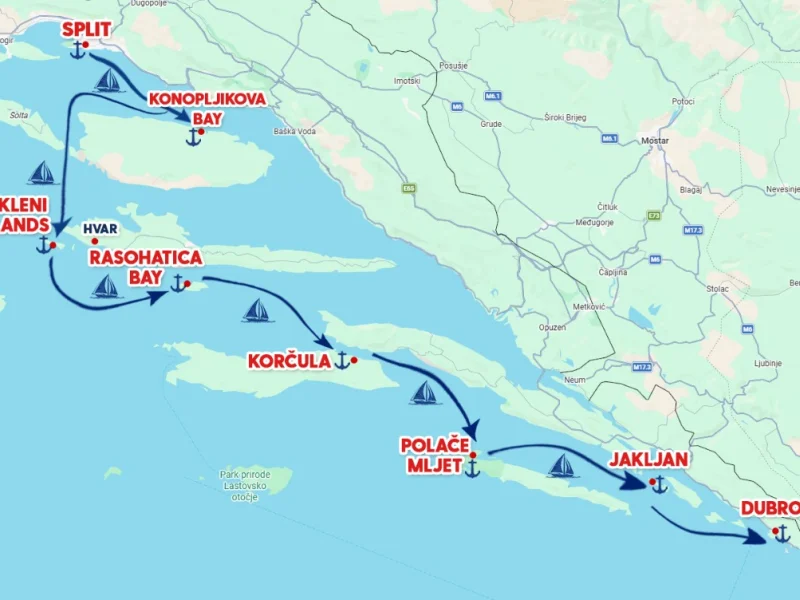
Sail this route and experience a journey designed for you
Turkey: Tepe Mah. 33. sokak Murathan is merkezi kat 2 daire 11, 48700 Marmaris/Mugla