

Italy Gulet Charter Guide: Sicily, Sardinia & Amalfi Coast
Sail Italy by gulet. Explore Sicily, Sardinia and Naples with custom itineraries, five-star service, and picture-perfect anchorages. Best season May–October.
Start your adventure by selecting a destination below.
Italy offers three very different charter grounds: the volcanic coast of Sicily and the Aeolian Islands, the granite anchorages of Sardinia, and the Bay of Naples with Capri and the Amalfi Coast. Each has its own marinas, winds and sailing style, so choosing where to board is the first real decision when planning a gulet charter in Italy. Browse all gulets for charter in Italy to see which yachts are based in each region.
Italian marinas are generally more expensive than those in Turkey or Greece, and berths at hotspots such as Capri and Porto Cervo are in high demand in peak season. A broker who knows each marina helps you avoid wasted calls on the radio and last-minute anchorage changes, and can plan crossings to Corsica from Sardinia when the yacht's terms allow.

A private crewed charter in Italy always includes the yacht, a professional captain and crew for the whole week, and the price is quoted for the entire yacht, never per cabin or per person. Food, drinks and local fees work differently from many other destinations, so we explain them in the pricing section below.

Where to Board a Gulet in Italy: Main Charter Hubs
Three regions account for most private gulet charters in Italy, and each suits a different kind of week. Sicily works for guests who want volcanic scenery and open-water hops to the Aeolian Islands. Sardinia is the choice for a Costa Smeralda week with short legs through the La Maddalena islands. Naples is the starting point for the classic Capri and Amalfi Coast route, where anchorages are close together and the sailing is coastal rather than offshore.
Sicily: Volcanic Coastlines and the Aeolian Run
For the Aeolian Islands, charters usually board at Marina di Portorosa near Milazzo, about 45 minutes from Catania Airport; other bases include Catania, Palermo and Trapani in the west. From the Milazzo side, a week takes in Vulcano, Lipari, Salina, Panarea and Stromboli, where the crater still glows after dark on clear nights. Crossings between the islands take two to four hours and can bring a short swell when the wind is in the north-west, so this route suits guests who don't mind a little more motion than a flat coastal cruise. See gulets based in Sicily or read our Sicily charter guide for anchorages and marina notes.

Sardinia: The Costa Smeralda and the Maddalena Archipelago
Sardinia charters board mainly at Porto Cervo, about 30 minutes from Olbia Airport, with Marina di Portisco and Cannigione a short drive to the south. All of them lead straight into the Costa Smeralda and the protected waters of La Maddalena Archipelago National Park, where anchorages are 30–60 minutes apart. Granite islets and shallow sandbanks make draft a real consideration for larger gulets, so local knowledge of the passages around Budelli and Spargi matters more than engine power. Corsica lies only about 12 nautical miles across the Strait of Bonifacio. See gulets based in Sardinia or our Sardinia charter guide.

Naples: The Bay, Capri and the Amalfi Coast
Naples is the gateway to the most recognisable stretch of the Italian coast: the Bay of Naples, the Faraglioni rocks of Capri and the cliffside towns of Positano and Amalfi. Most charters board at Marina Molosiglio below Castel dell'Ovo, about 20 minutes from Naples Airport, while larger gulets often use Marina Vigliena. Procida and Ischia make easy first-night anchorages, and the run to Capri takes under two hours in calm weather. This is coastal cruising rather than open-water sailing, which makes it ideal for first-time charter guests and families. See gulets based in Naples or our Naples charter guide.

Weather, Winds & Best Time to Charter in Italy
Each of Italy's charter grounds has its own wind pattern. In northern Sardinia the dominant wind is the Maestrale (Mistral), a north-westerly from the Gulf of Lion that can blow for several days with gusts of 25–30 knots, especially around the Strait of Bonifacio. Sicily and the Tyrrhenian coast also see the south-westerly Libeccio. The Bay of Naples is more sheltered but can catch the southerly Sirocco in spring and autumn, bringing haze and humid air rather than heavy seas.
June to September is the main charter season in all three regions. July and August bring the most settled sea and the warmest water, but also the busiest anchorages at Capri and Porto Cervo. May and late September offer cooler nights, fewer crowds and generally reliable conditions for guests who don't need peak-summer sea temperatures.
| Month | Typical Conditions | Best Suited For |
|---|---|---|
| May | Mild, occasional Libeccio gusts, water cooler | Experienced sailors, quieter anchorages |
| June | Warming seas, stable afternoon breeze | Families, first-time charter guests |
| July–Aug | Calm mornings, thermal wind builds afternoon | Swimming-focused itineraries, book early |
| September | Warm water, fewer crowds, occasional Sirocco | Broad appeal, good marina availability |
| October | Cooling, more unsettled weather possible | Off-peak, experienced crews preferred |
Getting to Italy & Boarding Logistics
Each region has its own airport, and the transfer time to the marina matters when you are planning a Saturday boarding. Private transfers are the norm, and the crew will coordinate the pickup once your flight details are confirmed.
- Sicily: Catania Airport (CTA) is about 45 minutes from Marina di Portorosa near Milazzo and 20 minutes from Catania's marina; Trapani Airport (TPS) is about 20 minutes from Trapani.
- Sardinia: Olbia Airport (OLB) is about 30 minutes from Porto Cervo and closer to Portisco and Cannigione.
- Naples: Naples Airport (NAP) is about 20 minutes from Marina Molosiglio.
- Charter weeks usually run Saturday to Saturday, with boarding in the afternoon and disembarkation by mid-morning on the final day.
- Italy is in the Schengen Area. Non-EU guests should check visa and passport rules before booking.
How Italy Gulet Itineraries Work
Route planning in Italy follows two broad styles. The Naples–Capri–Amalfi route is coastal cruising: short legs, frequent changes of anchorage and towns in view from the deck for most of the day. Sardinia's La Maddalena islands sit in between, with sheltered water but enough distance between islets to feel like real sailing.
Sicily and the Aeolian Islands lean towards open-water passages, which suit an experienced crew and guests happy with a few hours under way between stops. A captain who knows the week's forecast will often run the route clockwise or anticlockwise to keep the most exposed leg on the calmest day. If you are comparing Italy with other Mediterranean destinations, see how routes differ in Greece and Croatia.

How Much Does a Gulet Charter in Italy Cost?
Weekly starting rates for our Italian gulets range from around €13,000 to €33,000, depending on the yacht's size and finish. Dates matter too: Gulet Victoria in Sardinia, for example, costs €15,500 a week in May and October and €22,000 in July and August.
On most of our Italian gulets, food is sold as per-person half-board or full-board packages, and drinks as a package or with a corkage fee. Port fees, anchorage fees and local embarkation and tourist taxes are paid during the week, and VAT is added to the charter fee. Each yacht's page lists its exact terms, and our guide to gulet charter prices explains the full structure.
Frequently Asked Questions About Italy Gulet Charters
How do food and drinks work on a gulet charter in Italy?
Most of our Italian gulets offer food as a per-person package, either half board or full board, and drinks as a package or by the bar price list. If you bring your own drinks, a corkage fee usually applies. Some larger yachts work on an APA (Advance Provisioning Allowance) instead, so check the terms on your yacht's page.
Do I need a visa to charter a yacht in Italy?
Citizens of the EU and the Schengen Area can travel freely to Italy. Non-EU guests should check whether they need a Schengen visa before booking. A crossing from Sardinia to Corsica stays within the Schengen Area, but every guest should still carry a valid passport or ID card on board.
Can I combine Sicily and Sardinia in one charter?
It is possible but unusual in a single week, because the passage between the two islands takes the best part of a day and a night at sea. Most guests choose one region per week, or book two weeks with a repositioning leg in between.
What is included in the weekly charter price?
The charter fee covers the yacht, captain and crew for the whole week, plus linen, towels and water toys on most yachts. Food and drink packages, port fees, local taxes and VAT are paid on top, and crew gratuities are at your discretion. The price is always for the entire yacht, never per cabin or per person.
How rough are the crossings around Naples and Capri?
The Bay of Naples is generally sheltered, and legs between Naples, Capri and the Amalfi Coast take under two hours in typical summer weather. A Sirocco from the south can add a short swell, so captains usually move the day's plan by a few hours rather than change the route.
Which region is best for a first-time charter guest?
Naples and the Capri–Amalfi coast suit first-time guests best, with short coastal legs and land always in sight. Sardinia's La Maddalena islands are a comfortable middle ground. Sicily and the Aeolian Islands, with longer open-water hops, suit guests who have chartered before or don't mind a few hours under way.
Broker's Tip: Provisioning and Avoiding the August Crush
If your dates are flexible, aim for early June or the last two weeks of September: the water is still warm, marina prices are below their peak and Capri's anchorages are far less crowded. Send the crew your food and drink preferences before boarding rather than after; the best produce at the markets near Olbia and Milazzo sells out early, and a crew with a day's notice can secure it before you sail. Contact our charter team to compare gulets across all three regions.
Sail this destination aboard one of our handpicked Italy gulets
Discover Italy featured yachts perfect for your journey

Charter this route with our expertly selected gulets
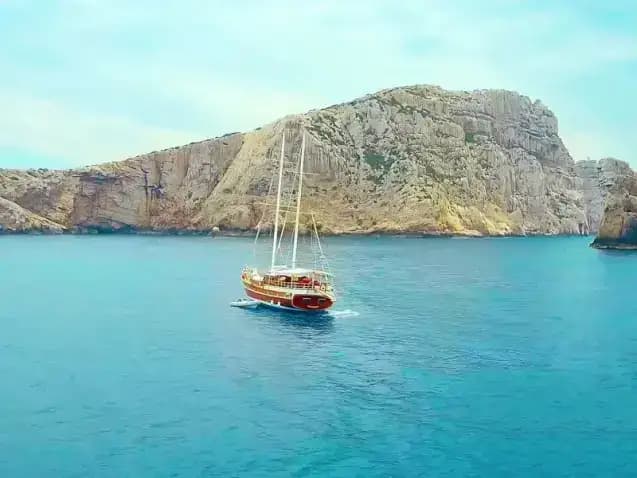
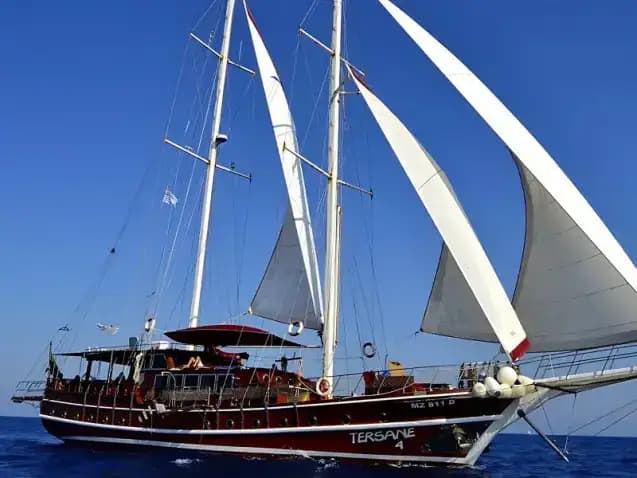
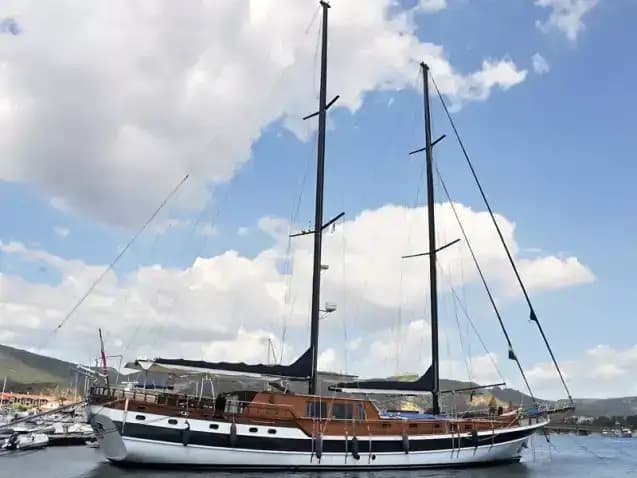
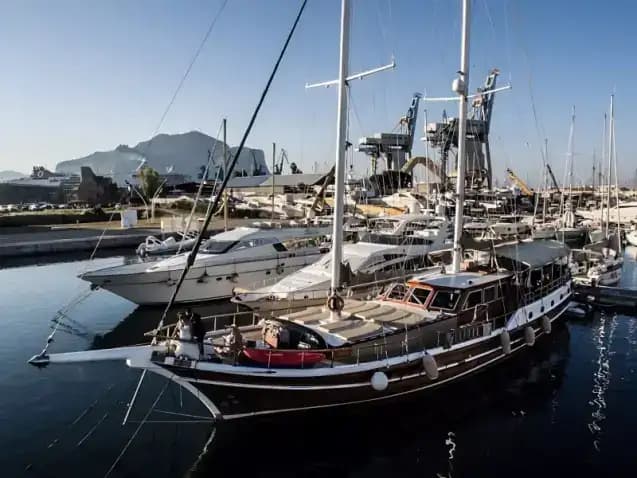
Explore one of our carefully crafted Italy itineraries
Discover Italy sailing routes perfect for your next adventure