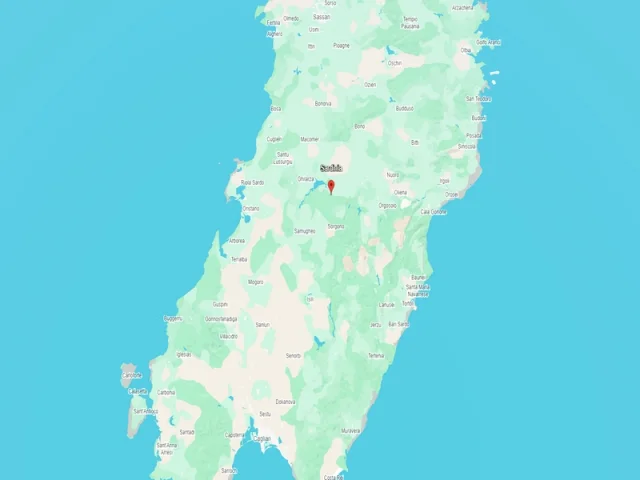

Sardinia Yacht Charter: The Broker's Guide to the Western Mediterranean's Toughest Coastline
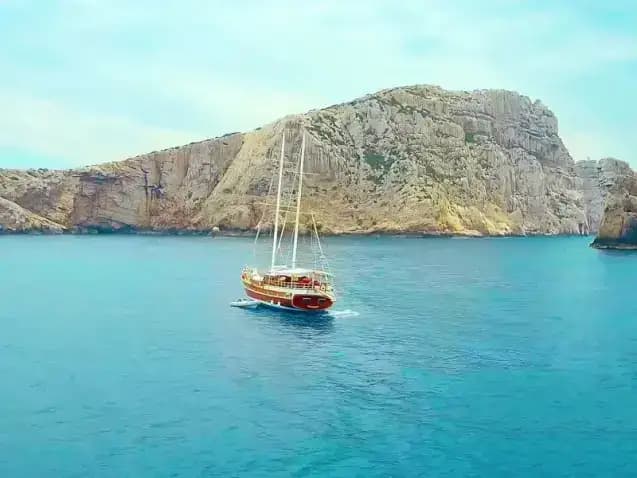
Sardinia is not a soft charter destination. The granite coastline of the northeast, the sand dunes of the south, and the open crossings from the mainland demand a crew that reads the Mistral and the Maestrale correctly, not just a captain who can dock. We place guests on private yachts and gulets here because the island rewards experienced planning: the water off La Maddalena genuinely looks lit from below, the anchorages empty out fast if you know the calendar, and the granite islands of the Costa Smeralda are best seen from a deck, not a beach towel.
This guide covers how to board, where to sail, and when to go, written from the perspective of a broker who has fielded the questions before they're asked: cabotage rules on a foreign-flagged vessel, what a Sardinian summer squall actually feels like at anchor, and why Porto Cervo in August is not where you want to be moored overnight. For the wider regional picture, our Italy destinations page maps out how Sardinia compares to Sicily and the Amalfi coast.
Boarding Points: Porto Cervo, Olbia and the Costa Smeralda Marinas
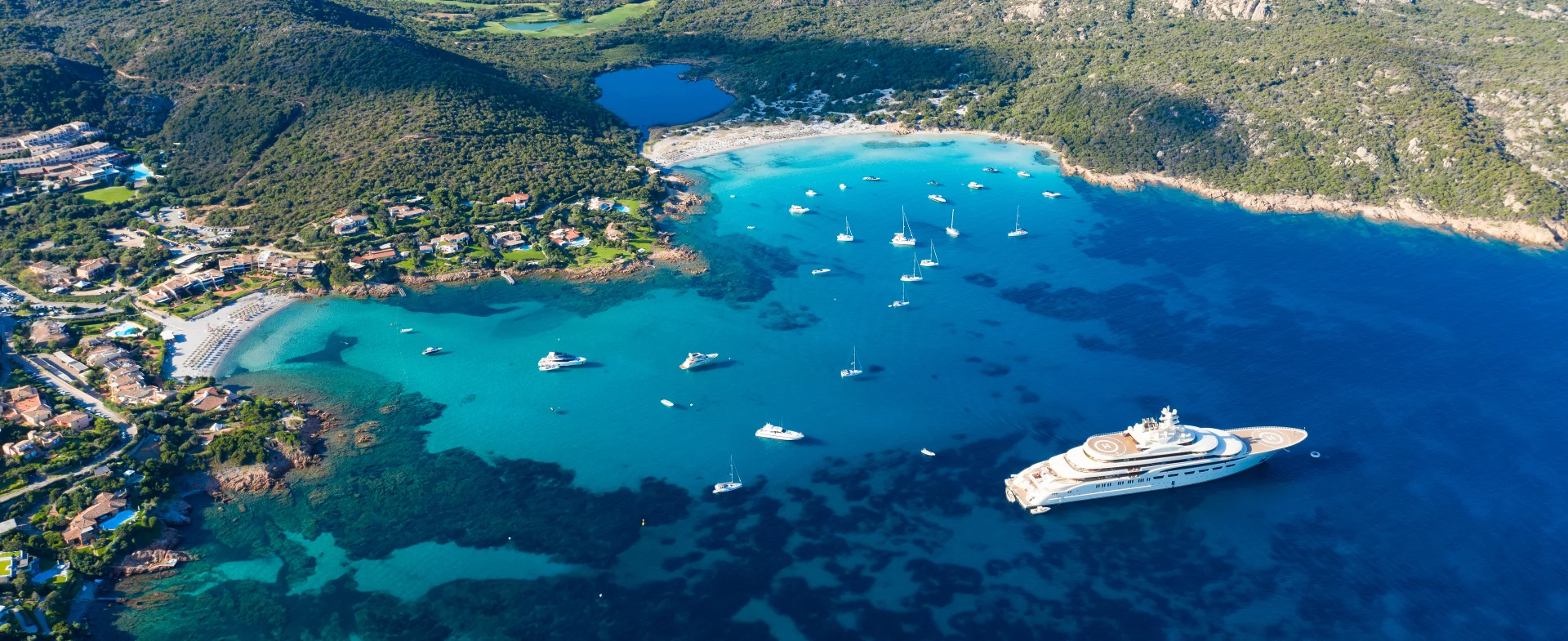
Most private charters embark from Porto Cervo Marina, the operational heart of the Costa Smeralda and the only berth on the island built to handle superyachts alongside classic gulets. It sits inside a natural inlet that gives protection from most swell directions, which matters on the first night when guests are still settling in. Marina di Portisco and Cannigione, both a short drive south, serve as quieter secondary embarkation points with lower berthing pressure in July and August.
Further north, Palau is the practical gateway to the La Maddalena archipelago and often used for one-way itineraries that finish or start in Corsica. Southern operators frequently work out of Villasimius or Cagliari, which opens a completely different sailing ground toward the granite coast near Villasimius Marine Protected Area and the beaches of Chia. Before choosing a homeport, it is worth comparing the full itinerary against our Italy sailing routes, since a north-based charter and a south-based charter barely overlap in scenery.
Getting to Porto Cervo & Boarding Logistics
Olbia Costa Smeralda Airport is the closest international gateway, roughly a 30-minute private transfer to Porto Cervo along the coast road. It runs seasonal direct flights from London, Paris, Frankfurt, and most major Italian hubs from May through September, thinning out sharply in the off-season. For southern departures, Cagliari Elmas Airport serves Villasimius and the Cagliari marinas, roughly 45 minutes by car.
- Nearest airport for Costa Smeralda charters: Olbia Costa Smeralda (OLB), 30 minutes to Porto Cervo
- Nearest airport for southern charters: Cagliari Elmas (CAG), 45 minutes to Villasimius/Cagliari marinas
- Private transfer: arranged by the charter broker or captain ahead of arrival, coordinated with your flight landing time
- Ferry alternative: overnight car ferries run from Civitavecchia (near Rome) and Genoa into Olbia port, useful for guests bringing extra luggage or vehicles
- Boarding time: standard embarkation is early afternoon (typically 5:00 PM) on charter start day, following the crew's provisioning and cleaning turnaround
- Customs/EU note: Sardinia is within the EU/Schengen zone, so EU-flagged charters have straightforward embarkation with passport checks only for non-EU nationals
Sailing the Costa Smeralda and the La Maddalena Archipelago
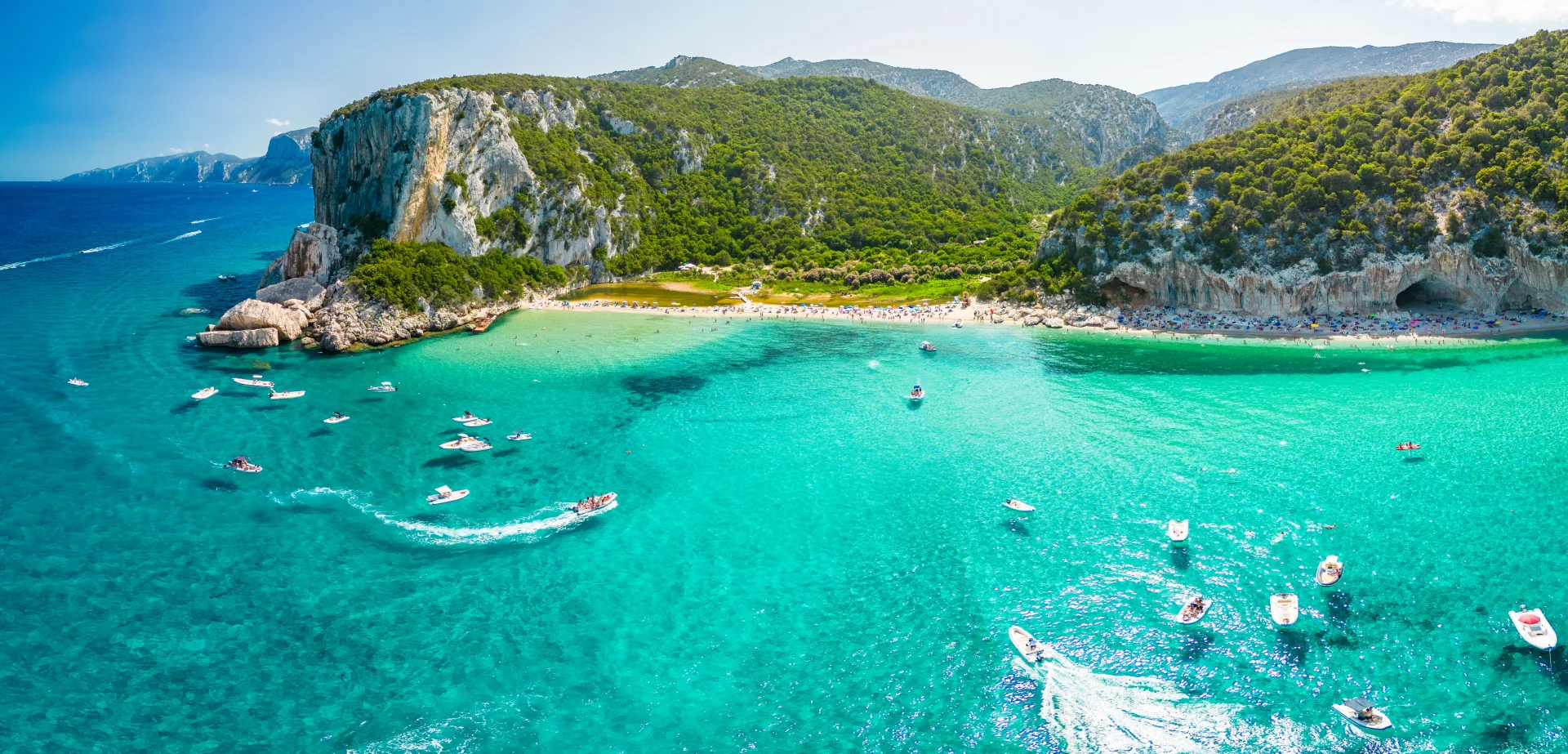
The signature run out of Porto Cervo is north into the La Maddalena National Park, a cluster of granite islands where anchoring is regulated but the payoff is worth the paperwork. Cala Coticcio on Caprera, sometimes nicknamed 'Tahiti' by local skippers, holds one of the few genuinely turquoise anchorages on the island, though it caps daily visitor numbers and needs an early arrival in peak season. Budelli's Spiaggia Rosa is now a no-anchor, no-swim zone protected by park rangers, but sailing past it under engine at idle speed remains one of the better photo stops of any Sardinian itinerary.
South of Porto Cervo, the coastline softens into long beaches at Liscia Ruja and Cala Petra Ruja, both well positioned for a lunch stop with tenders running guests ashore. A full week aboard a private gulet charter typically alternates between these two zones: mornings sailing the archipelago, afternoons anchored off the Costa Smeralda beaches where the crew can set up paddleboards and snorkel gear without fighting a strong current.
South Sardinia and the Chia to Villasimius Run
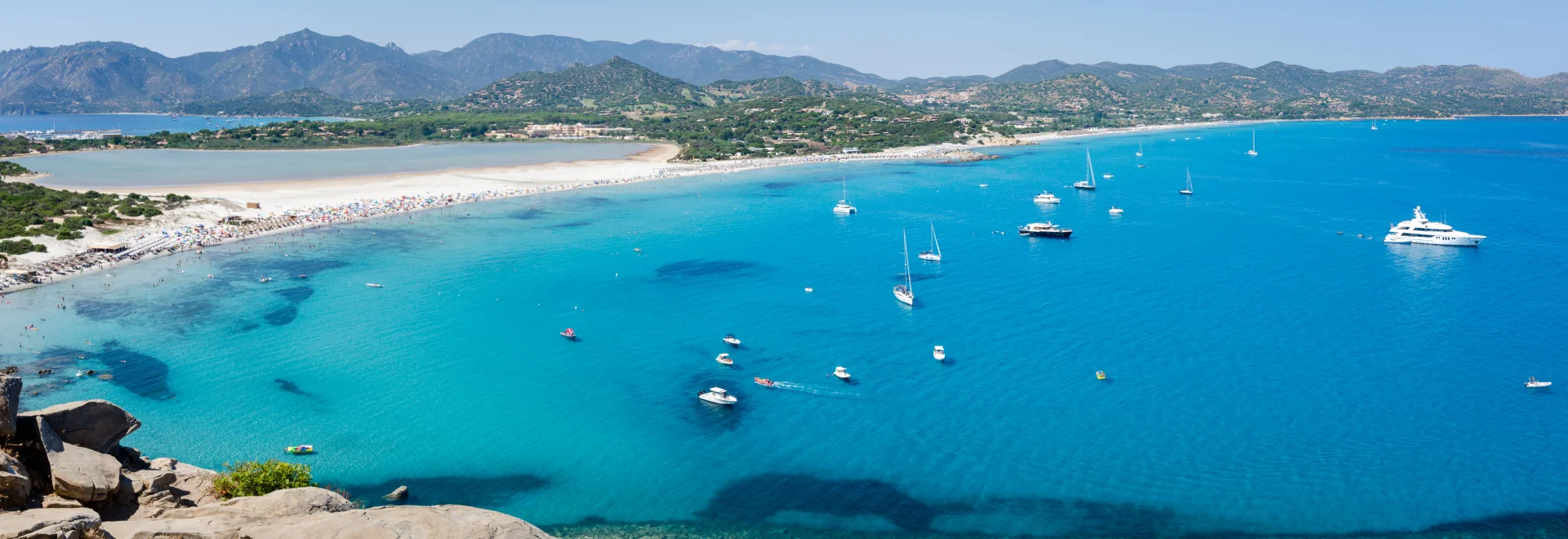
The southern coast is a different vessel of a charter altogether: fewer yachts, longer beaches, and dune systems instead of granite boulders. Sailing from Villasimius eastward brings you to Capo Carbonara's protected marine reserve and the small island of Serpentara, a good stop for guests who want a quieter snorkel away from tender traffic. Westward toward Chia, the beaches back onto ancient dune systems and a Phoenician-Roman watchtower, giving the itinerary a bit of the archaeological texture that also runs through Turkey's Lycian coast for guests comparing regions.
Guests who prefer this southern circuit often do so specifically to avoid the August density around Porto Cervo. It is a sound trade: less nightlife, considerably more anchoring space, and a shorter hop to Cagliari for a city dinner ashore if the crew arranges a mid-week stop.
Weather, Winds & Best Time to Charter Sardinia
Sardinia sits directly in the path of the Mistral, a cold northwesterly that funnels down from the Gulf of Lion and can build quickly, particularly through the Strait of Bonifacio between Sardinia and Corsica. Locally it's often referred to as the Maestrale, and experienced captains treat it with respect: gusts of 25-30 knots are not unusual even in a summer forecast that looked calm the day before. This is one of the reasons a professional crew matters more here than in the flatter waters of the Adriatic; our guide on how a crewed yacht charter works explains how a licensed captain adjusts routing around exactly this kind of local wind pattern.
June and September offer the best balance for most guests: warm water, thinner crowds at anchorages like Cala Coticcio, and mornings generally calm before any afternoon breeze builds. July and August bring reliable heat and the busiest marina traffic in Porto Cervo, so itineraries should lean toward the quieter La Maddalena anchorages or the southern coast around Villasimius. May and early October can still work for a shoulder-season charter, though water temperature drops and the Mistral becomes more frequent, which is worth reviewing against our broader notes on the best time to charter a gulet.
| Month | Typical Conditions | Best For |
| May | Mild, occasional Mistral, cool sea | Shoulder-season, fewer crowds |
| June | Warm, generally stable mornings | Families, first-time charter guests |
| July | Hot, busy marinas, light afternoon breeze | Nightlife near Porto Cervo |
| August | Peak heat, crowded anchorages | Experienced sailors avoiding the north coast |
| September | Warm, thinning crowds, stable winds | Best overall balance |
| October | Cooling, Mistral more frequent | Experienced sailors, end-of-season deals |
What's Included on a Private Gulet Charter in Sardinia
A standard weekly charter includes the vessel, a professional crew (captain, deckhand, and chef on most gulets above 20 meters), fuel for a reasonable daily cruising allowance, and standard water toys such as paddleboards and snorkel gear. Provisioning, drinks beyond a basic welcome pack, marina fees at ports like Porto Cervo, and fuel beyond the standard allowance are typically billed through the Advance Provisioning Allowance (APA), usually set at 25-30% of the charter fee and settled at the end of the week against receipts.
Guests new to this model often ask why pricing isn't quoted per person; it's because the entire vessel and crew are contracted exclusively for one group, not sold by cabin. Our breakdown of gulet charter prices covers exactly how base rate, APA, and optional extras like a shore-side dinner in Porto Cervo fit together across a full week.
Broker's Tip: Timing the Costa Smeralda Anchorages
If your week falls in July or August, tell your captain to plan the La Maddalena run for a weekday morning rather than a weekend. Cala Coticcio and the water off Budelli fill with day-trip boats from Palau by 11:00 AM on weekends, and the mooring buoys around Caprera get taken fast. A gulet that departs Porto Cervo by 7:30 AM on a Tuesday or Wednesday can anchor in near-empty water for two hours before the tourist boats arrive, which is the difference between a photograph with granite cliffs and one with forty other hulls in frame.
Frequently Asked Questions About Chartering in Sardinia
- Can I combine a Sardinia charter with Corsica? Yes, the Strait of Bonifacio crossing is short, roughly 12 nautical miles from La Maddalena to Corsica's southern anchorages, and many one-way itineraries run Porto Cervo to Bonifacio or the reverse; both Italy and France are Schengen/EU so paperwork is minimal.
- Is the La Maddalena archipelago restricted for anchoring? Parts of it are inside a national park with permitted anchorage zones and daily visitor caps at spots like Cala Coticcio; your captain handles the permits, but booking a week with flexibility around those visitor windows helps.
- What is included in the APA versus the base charter rate? The base rate covers the yacht and crew; the APA (typically 25-30%) covers fuel beyond the standard allowance, marina fees, provisioning, and drinks, settled against receipts at the end of the charter.
- Do I need sailing experience to charter a gulet in Sardinia? No, the vessel comes with a licensed, professional crew who handle navigation, anchoring, and route planning around the Mistral; guests are not required to have any sailing background.
Planning Your Sardinia Charter Week
Sardinia rewards a broker-guided itinerary more than most Mediterranean regions because the Mistral, the park restrictions around La Maddalena, and the seasonal marina crowding all shift the ideal route from one month to the next. Guests weighing Sardinia against other options can compare the full range of Mediterranean yacht charter destinations we operate in, or look directly through yachts for charter in Italy to see current gulet and motor yacht availability on this coast.
For guests specifically drawn to the granite anchorages and Costa Smeralda beach clubs, our dedicated Sardinia destinations overview and the Sardinia yacht charter fleet listing are the fastest way to check which vessels are currently available in Porto Cervo, Palau, or Villasimius for your travel dates.
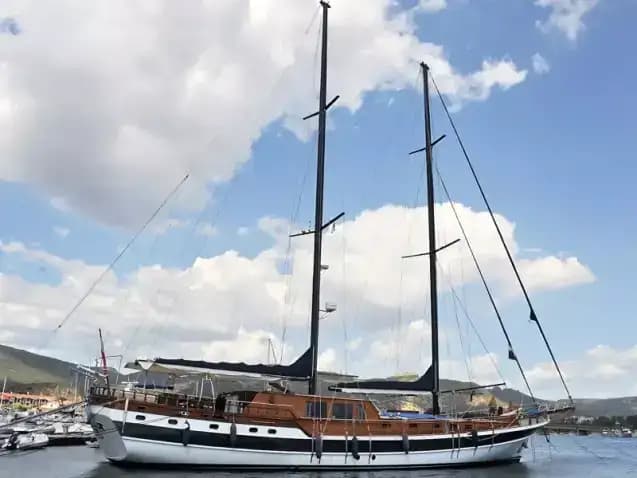
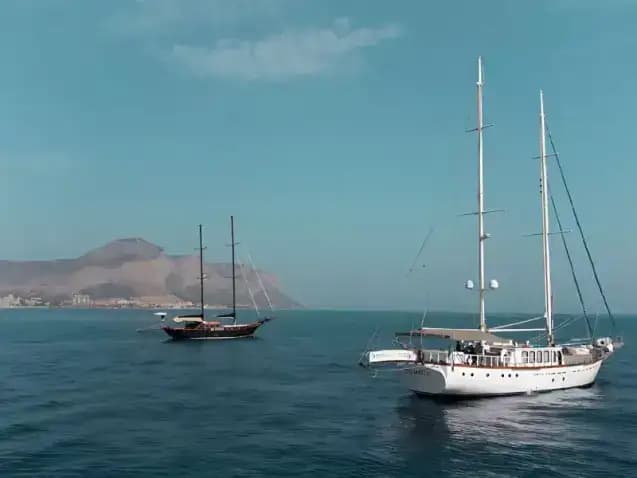
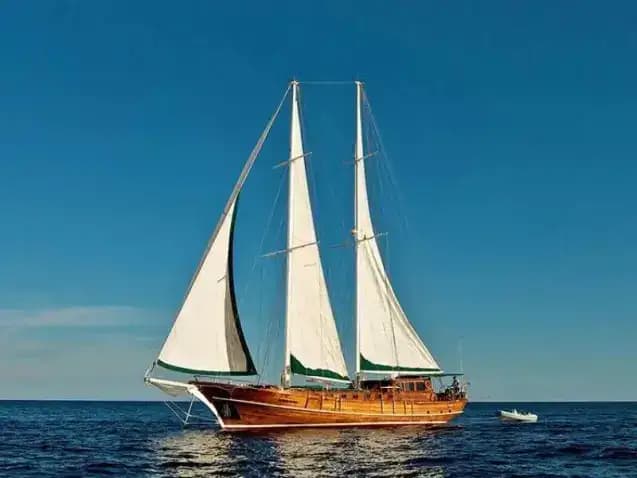
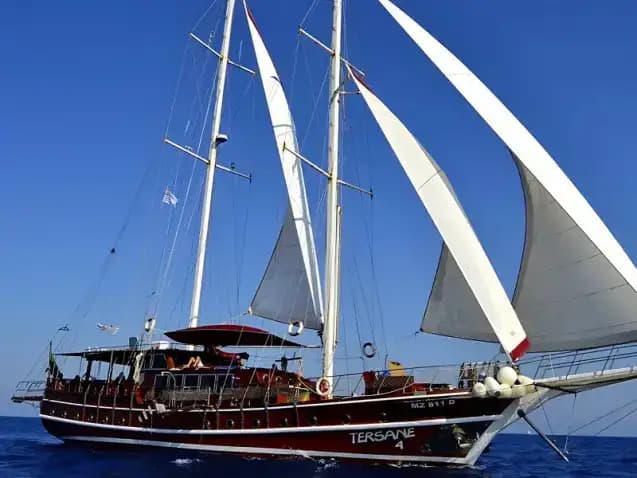
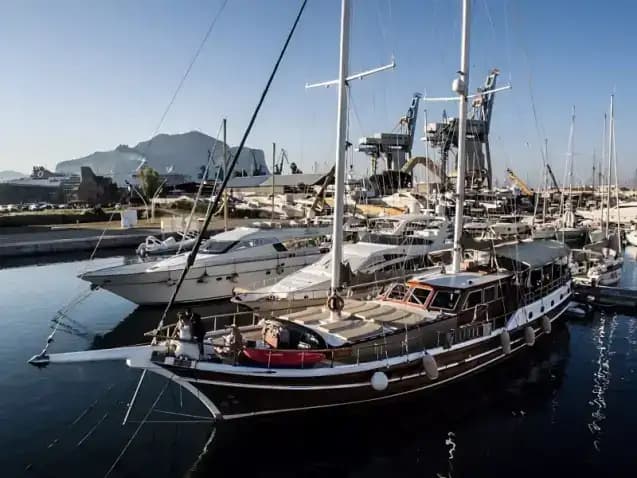
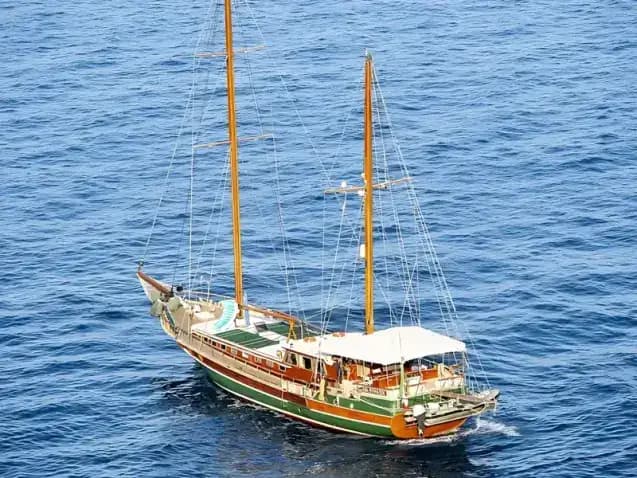
Sail this destination aboard one of our handpicked Sardinia gulets
Discover Sardinia featured yachts perfect for your journey

Charter this route with our expertly selected gulets
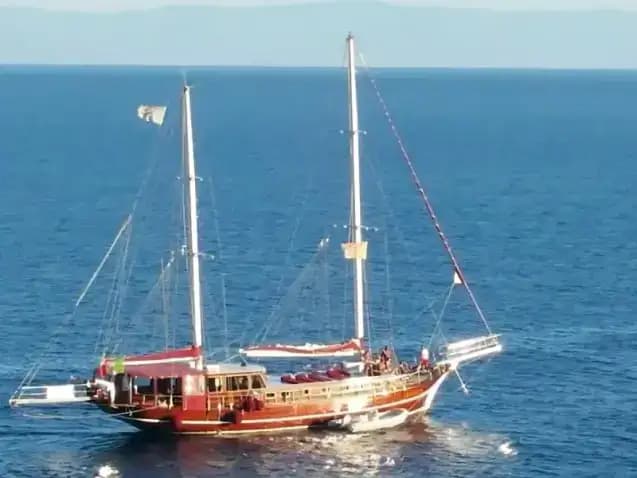
Explore one of our carefully crafted Sardinia itineraries
Discover Sardinia sailing routes perfect for your next adventure