
Private Gulet & Yacht Charter from Kos: A Broker's Guide to the Southern Dodecanese
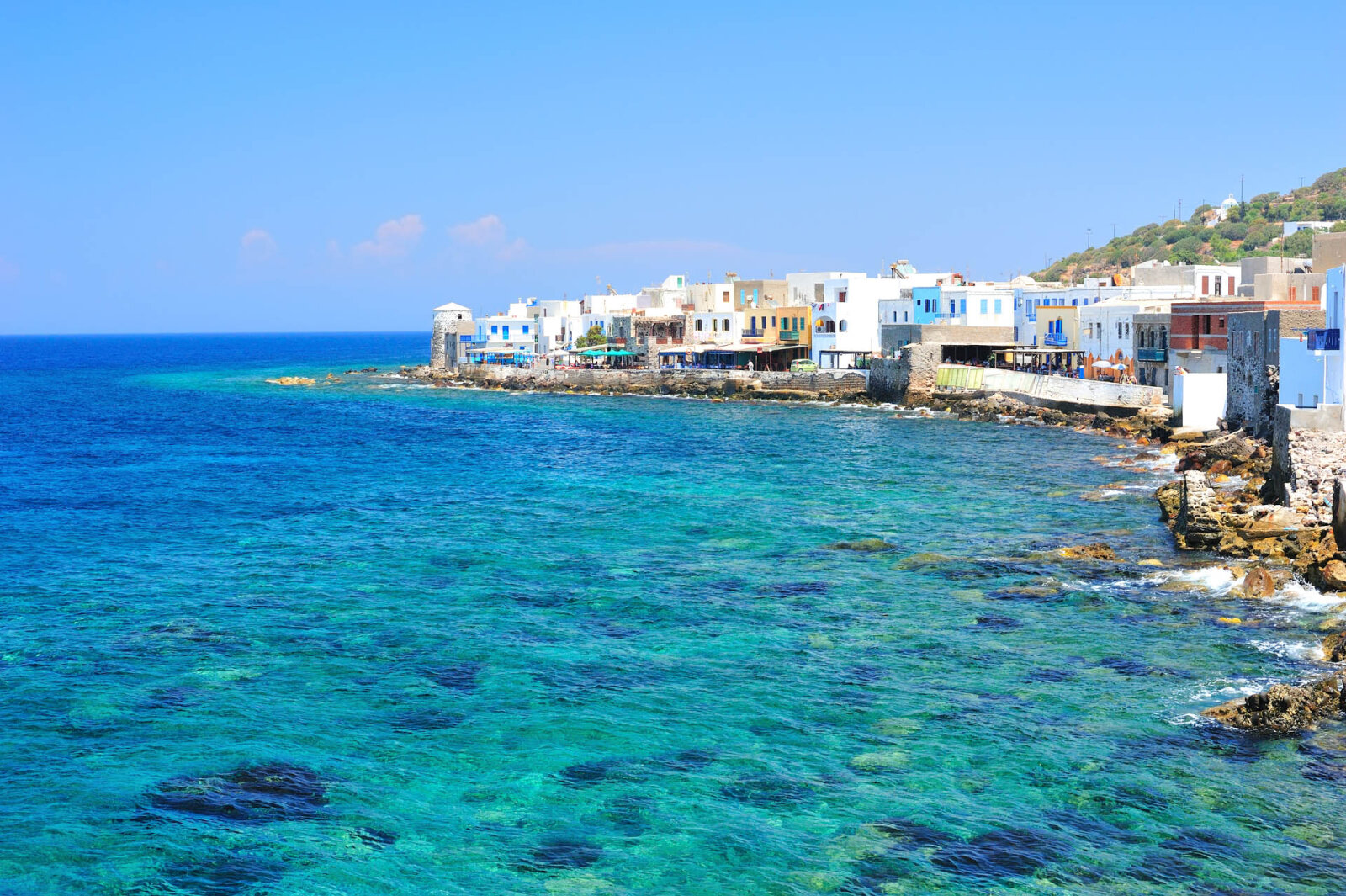
Kos sits at the western edge of the Dodecanese, close enough to the Bodrum peninsula that on a clear afternoon you can see the Turkish coastline from the marina breakwater. It is a working sailing base first, a resort town second, which is exactly why it suits a private crewed charter better than most package destinations in the Aegean. We route a good share of our southern Aegean clients through here because the boarding logistics are simple and the cruising ground opens up fast.
This guide covers how to reach the boarding point, where the crew will actually take the tender or the yacht itself, what the wind does to your itinerary in July versus May, and the practical questions guests ask us before signing a contract. If you have not chartered before, it is worth reading how a crewed yacht charter works alongside this page, since Kos-specific logistics build on the general process.
Why Charter Guests Choose Kos as a Southern Dodecanese Base
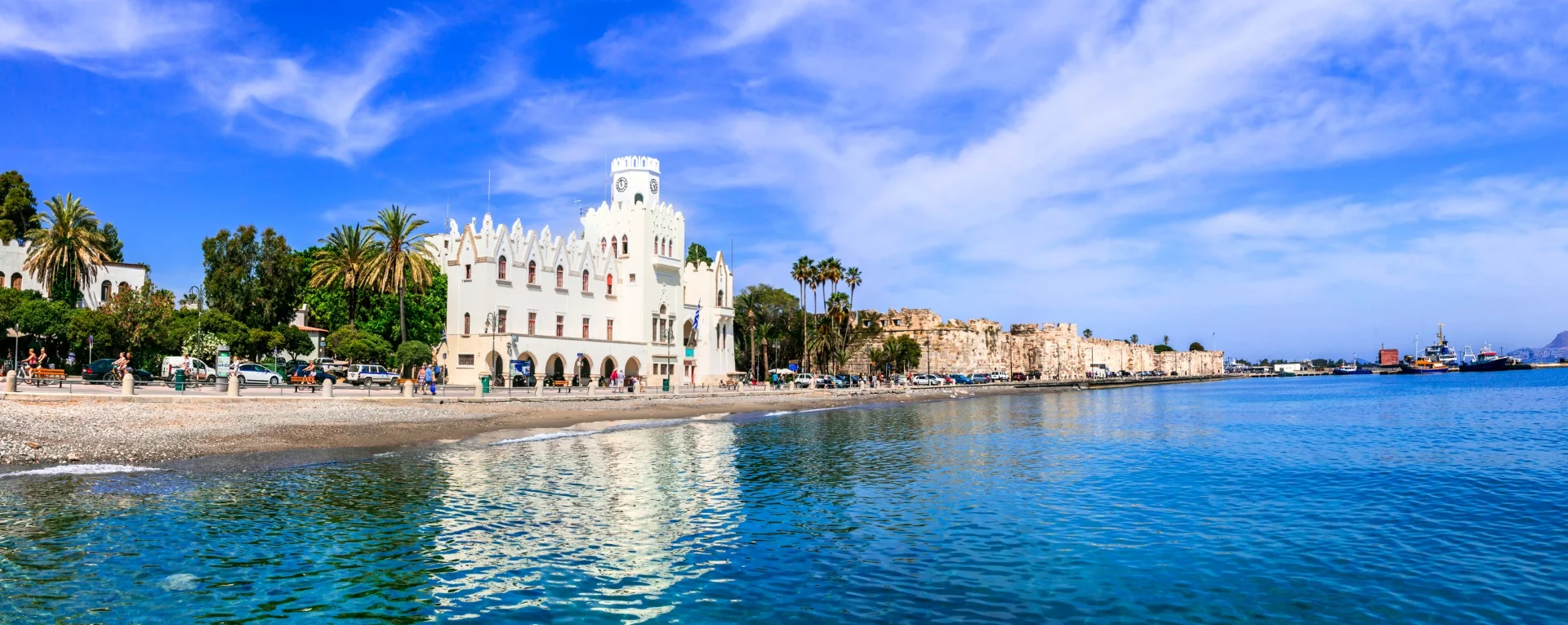
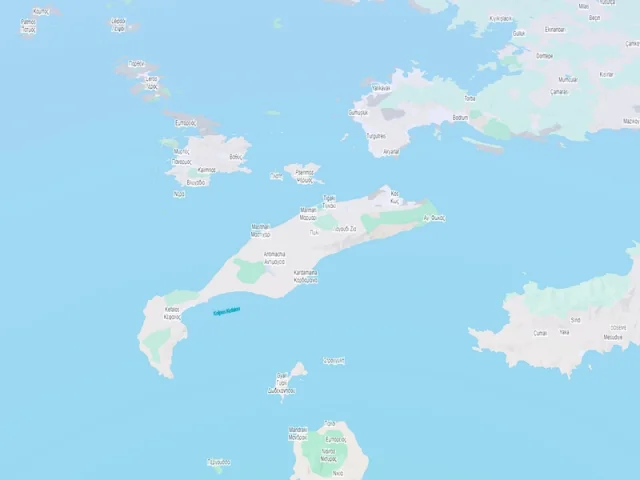
Kos gives you three cruising directions from a single boarding point, which matters when a charter is only seven nights. South and west you have Nisyros, an active volcanic caldera you can walk into, and Kalymnos, the sponge-diving island now better known for its limestone climbing crags. East, the strait narrows toward Turkey and the ruins at Knidos on the Datça peninsula. North and inland, Kos itself carries Hippocratic and Ottoman layers around the harbor castle and the Asklepion.
The island's own coastline is worth a day on its own. Kefalos Bay on the southwest tip catches consistent afternoon breeze that windsurfers and kitesurfers use, while the coves around Kamari and Agios Stefanos give a gulet a sheltered lunch stop with a ruined basilica visible from the anchorage. Most seven-night Greece sailing routes built around Kos combine two or three of these directions rather than trying to cover all of them.
Getting to Kos & Boarding Logistics
Kos International Airport "Hippocrates" (KGS) sits roughly 24 km southwest of Kos Town, with direct seasonal flights from most northern European hubs plus regular Athens connections year-round. Our crew or an appointed transfer driver will meet you at arrivals; the drive to the marina runs about 30 to 40 minutes depending on which berth your yacht is holding.
- Nearest airport: Kos International Airport (KGS), roughly 25–30 minutes from Kos Town by car.
- Alternative arrival: fly into Rhodes or Athens and connect via ferry or short domestic flight if your dates don't align with direct Kos flights.
- Ferries: Blue Star and DANE lines run scheduled services between Kos, Kalymnos, Rhodes, and Piraeus, useful if crew or guests are joining mid-charter.
- Boarding time: standard check-in on Saturday afternoon, typically between 4pm and 6pm, with the crew provisioning that morning.
- Disembarkation: the following Saturday morning, usually by 9am to allow the next charter's turnaround.
If your group is landing from multiple countries, we recommend booking flights that arrive by early afternoon on boarding day. It gives the crew a buffer and avoids a late-night handover, which is never the way you want to start a week aboard a private gulet.
Navigating Kos: Marinas and Anchorages for Private Charter
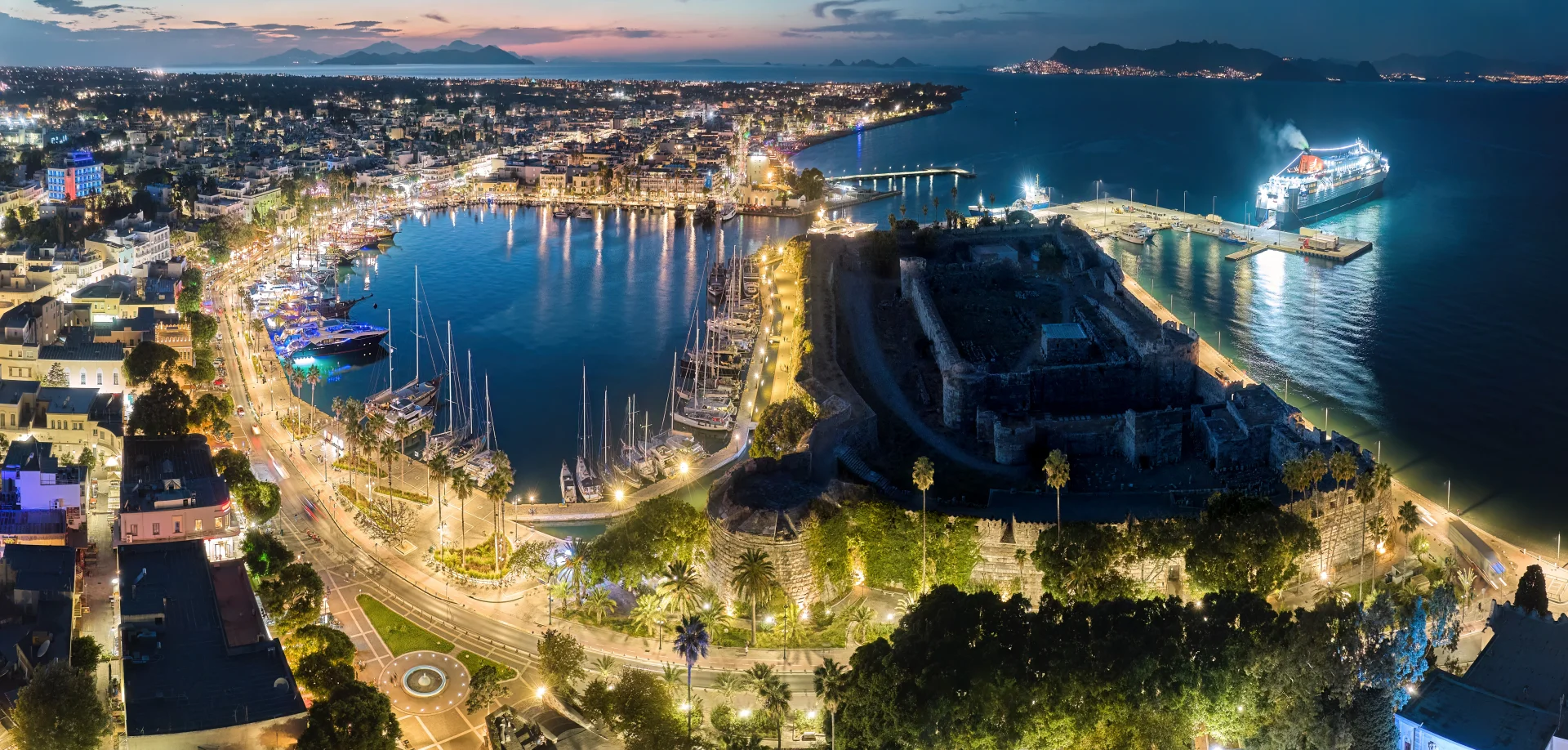
Kos Marina, on the northeast side of the harbor near the medieval castle, is the working base for most of the charter fleet and holds around 300 berths with depths sufficient for gulets up to 35 meters. It sits a short walk from the old town's tavernas, which is convenient the first evening before you've settled into the boat's own galley rhythm. A smaller number of yachts base out of Mastichari on the north coast, useful if your itinerary leans toward Kalymnos and Pserimos from the outset.
For anchoring rather than berthing, the reliable spots close to the boarding point are Kamari Bay, Agios Stefanos with its basilica ruins in the shallows, and the roadstead off Kardamena if you need a mid-week supply stop. None of these require booking ahead the way a marina berth in high season does, which is one of the advantages of chartering rather than fixing an itinerary to a marina schedule.
Guests comparing bases across the region often ask how Kos stacks up against Rhodes destinations further south. Rhodes offers a longer run to the Turkish coast and busier marina infrastructure; Kos gives quicker access to the quieter Dodecanese islands and a shorter transfer from the airport to the boat.
Weather, Winds & Best Time to Charter from Kos
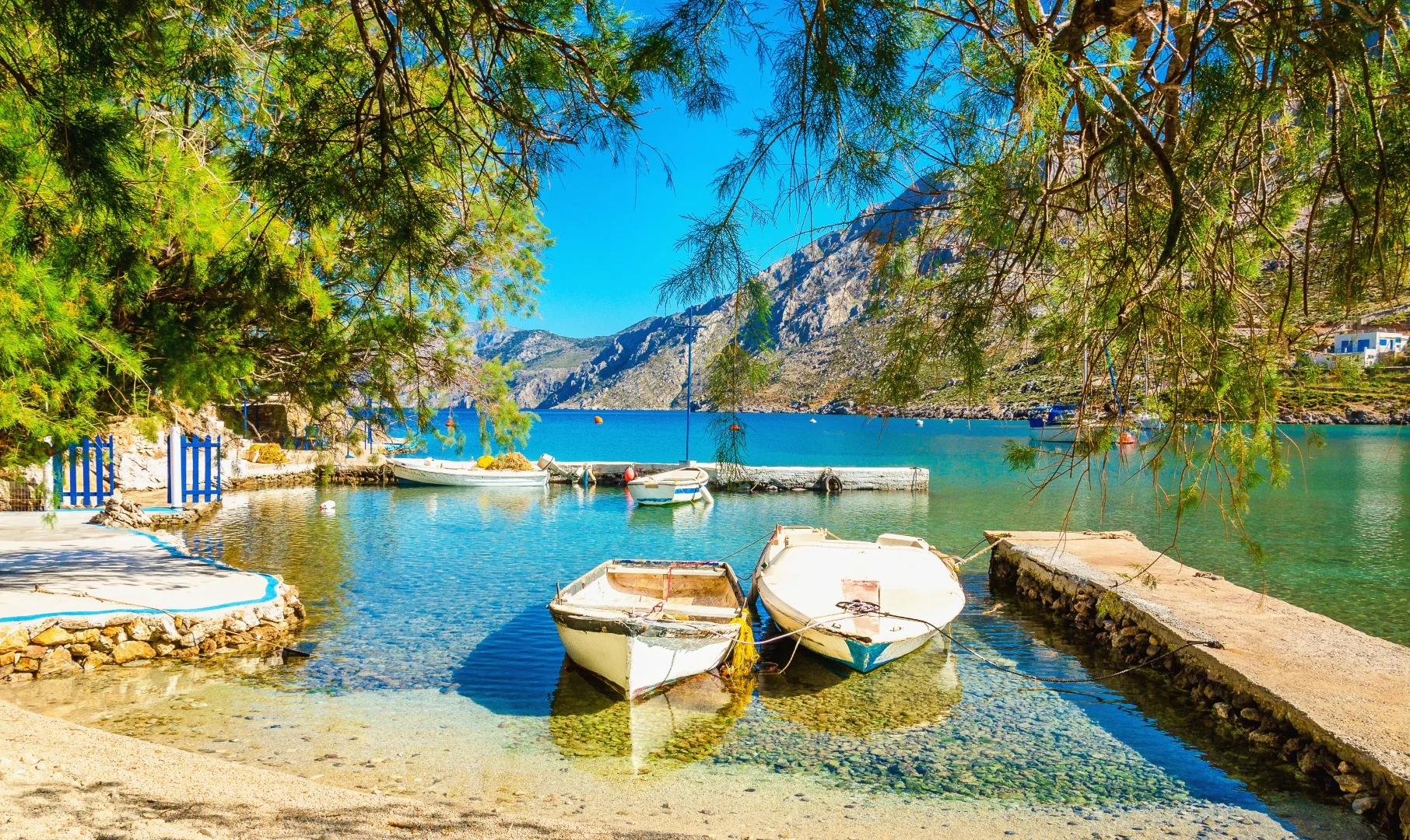
The dominant summer wind in the Dodecanese is the Meltemi, a northerly that funnels through the strait between Kos and the Turkish mainland and typically builds through the afternoon. In peak July and August it can reach Force 5-6, occasionally 7, by mid-afternoon, which is why experienced skippers plan the day's sailing legs for morning and start looking for anchorage by early afternoon.
May, June, and September carry a lighter, more predictable version of the same wind pattern, with warm water and far fewer charter yachts competing for the same anchorages. Families with younger children or first-time sailors generally do better outside the Meltemi's strongest weeks; read our broader notes on best time to charter a gulet if you're still deciding between shoulder season and peak summer.
| Months | Typical Wind | Best Suited For |
|---|---|---|
| May – June | Light to moderate Meltemi, calmer mornings | Families, first-time charter guests |
| July – August | Strong afternoon Meltemi, Force 5-7 possible | Experienced sailors, watersports groups |
| September | Moderating Meltemi, warm sea temperatures | Families and couples avoiding peak crowds |
| October | Occasional Lodos from the south, cooler evenings | Quieter itineraries, fewer day-boats |
Day-Sailing & Nearby Islands from Kos
A seven-night charter out of Kos comfortably reaches four or five distinct destinations without long overnight passages. Crews typically sequence the week to work with the Meltemi rather than against it, saving the longer crossing to Nisyros for a calmer forecast window.
- Kalymnos & Pserimos: a short hop northwest, good for a lunch anchorage on Pserimos before continuing to Kalymnos harbor for the evening.
- Nisyros: roughly a half-day sail southwest, worth an overnight so guests can walk the Stefanos crater the following morning.
- Kefalos Bay: the southwestern tip of Kos itself, strong afternoon breeze and good for a windsurfing or paddleboard stop.
- Turkish coast (Bodrum/Knidos): visible across the strait, but requires customs clearance and advance planning — see the FAQ below on cabotage.
- Kardamena: a working town on the south coast, useful for a mid-week provisioning stop or a livelier dinner ashore.
For guests who want to link Kos with a longer Dodecanese route, the Kos to Patmos itinerary extends the cruise north through Lipsi and Patmos's monastery anchorage, while the Kos to Rhodes cruise heads south through Symi. Both work as one-way charters with a different disembarkation port, which we can arrange when you book.
Frequently Asked Questions About Chartering from Kos
- Can we sail from Kos to Bodrum or Knidos in Turkey on a Greek-flagged yacht? Technically yes, but it requires clearing Greek and Turkish customs on both legs due to cabotage regulations, and most charter contracts don't budget the time for it on a standard week. If a Turkish leg matters to you, tell your broker at the enquiry stage so the itinerary and paperwork are planned properly, or consider exploring Turkey destinations directly for a Bodrum-based charter instead.
- Is an APA (Advance Provisioning Allowance) used on Greek charters from Kos? Some yachts quote all-inclusive rates while others operate on an APA basis for fuel, marina fees, and provisioning, typically 25-30% of the charter fee held in advance and reconciled at the end of the week. Ask for the specific breakdown before contracting; our guide to gulet charter prices explains how APA differs from all-inclusive pricing.
- What's actually included in the base charter price out of Kos? The vessel, full crew (captain, deckhand, chef, and stewardess on most gulets), fuel for a standard number of cruising hours per day, and use of onboard water toys is usually included. Drinks, marina fees at private ports, and shore excursions are typically extra unless the yacht is quoted all-inclusive.
- Do we have to board and disembark in Kos, or can we start elsewhere? Most Kos-based yachts run Saturday-to-Saturday out of Kos Marina, but one-way charters ending in Rhodes, Kalymnos, or Patmos can be arranged with advance notice, usually at a small repositioning cost.
Broker's Tip
In August, the anchorage off Agios Stefanos fills with day-trip catamarans from Kos Town by late morning and empties out almost completely after 5pm once they head back for their moorings. If your crew times lunch a little later and holds the boat until the day-boats clear, you get the basilica ruins and the shallow turquoise shelf to yourselves for a late swim before moving on to a quieter overnight spot. It's a small scheduling trick, but it's the difference between a photograph full of other people's boats and one that isn't.
If Kos doesn't end up being the right fit once you compare routes and dates, it's worth browsing Greece destinations more broadly or checking Kos yacht charter availability directly against our current fleet. Either way, private gulet charter from this part of the Dodecanese remains one of the more efficient ways to see several distinct islands without repacking a bag.
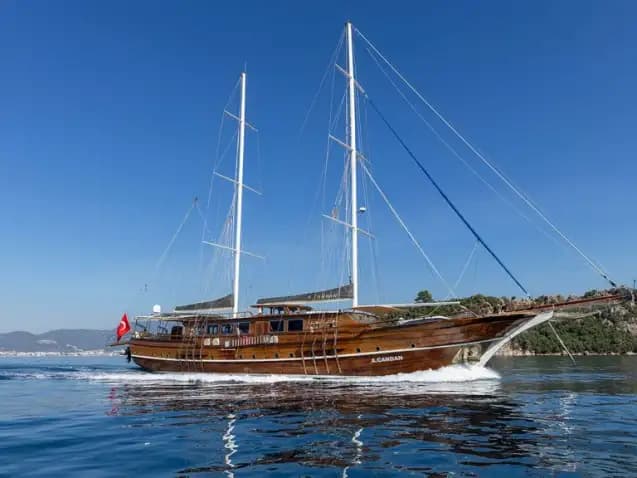
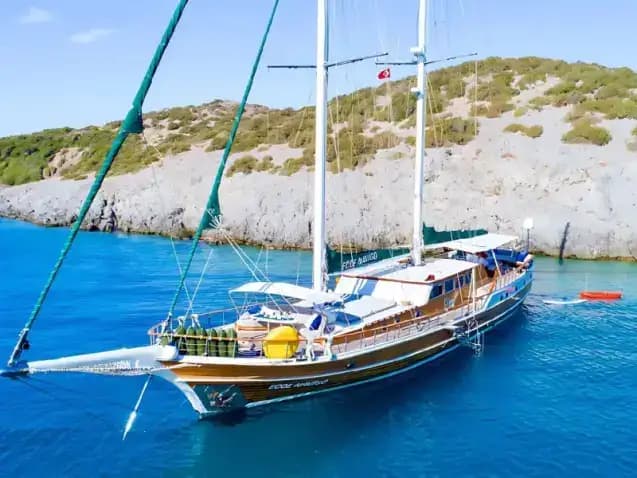
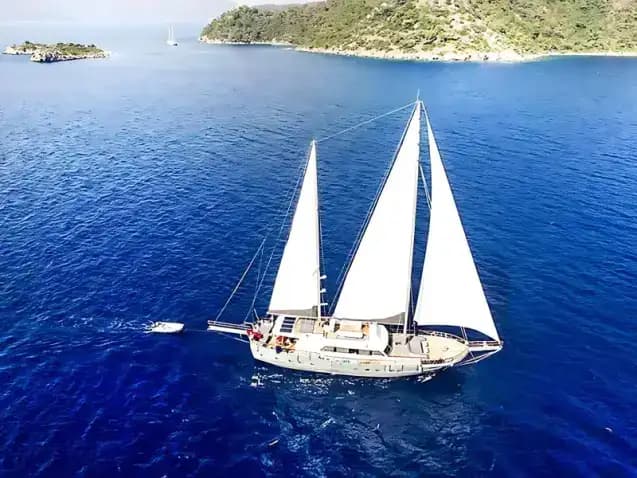
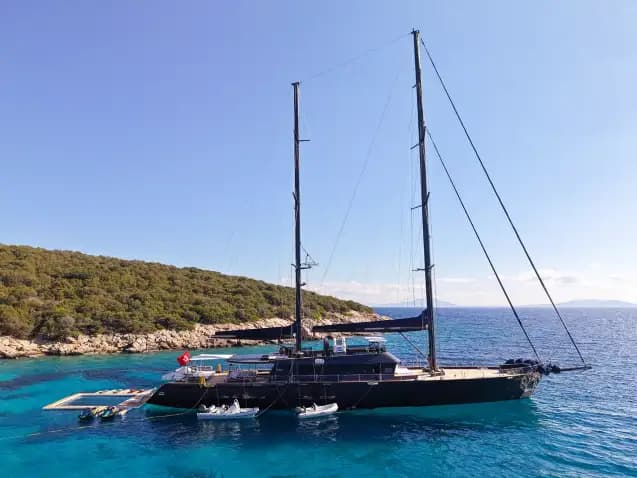
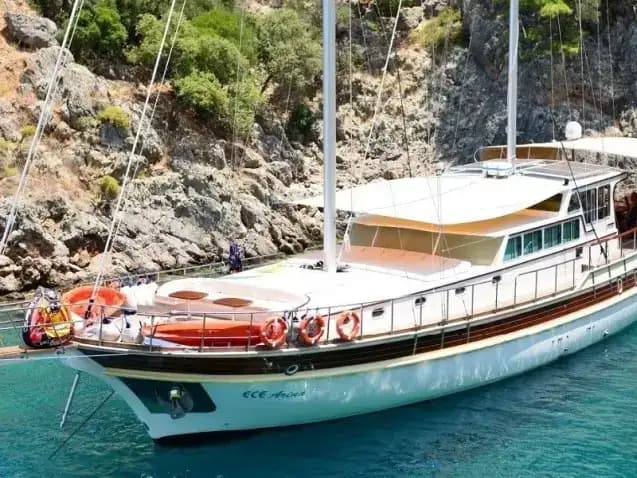
Sail this destination aboard one of our handpicked Kos gulets
Discover Kos featured yachts perfect for your journey
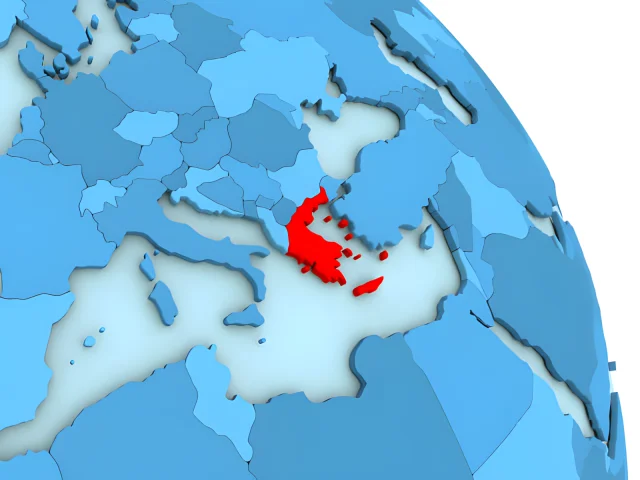
Charter this route with our expertly selected gulets
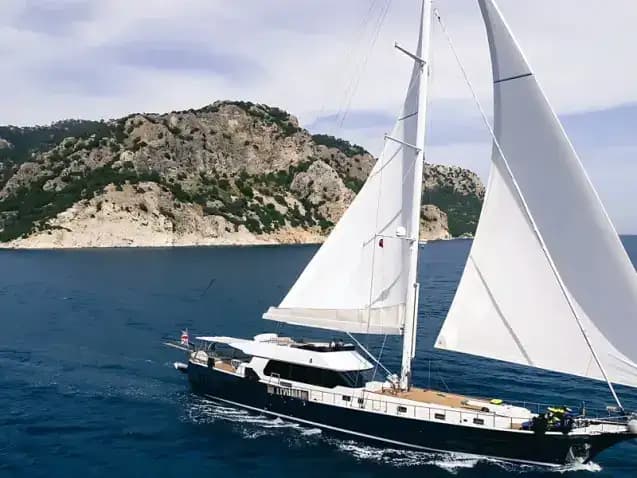
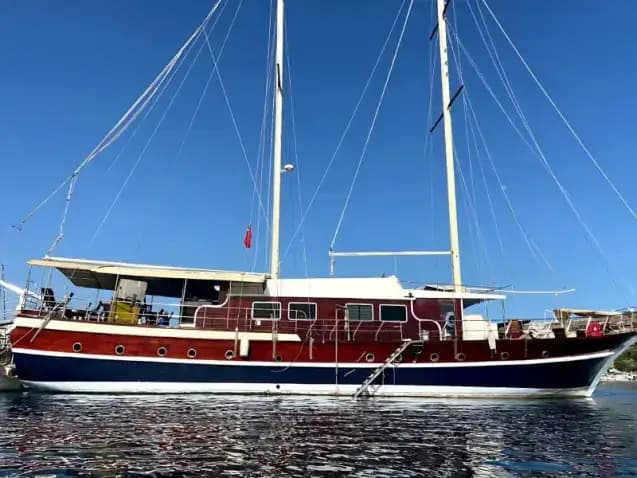
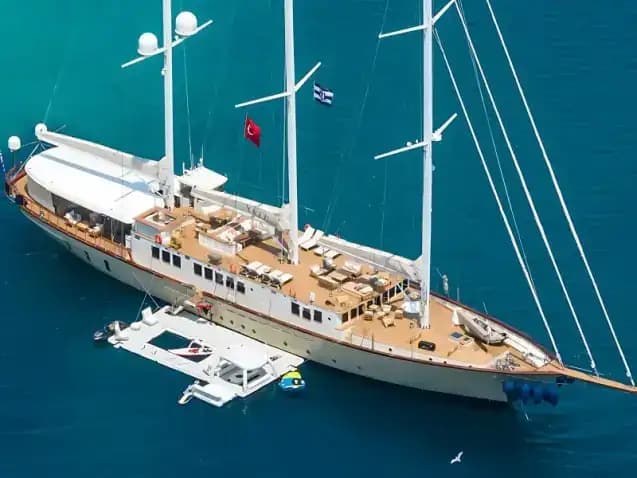
Explore one of our carefully crafted Kos itineraries
Discover Kos sailing routes perfect for your next adventure
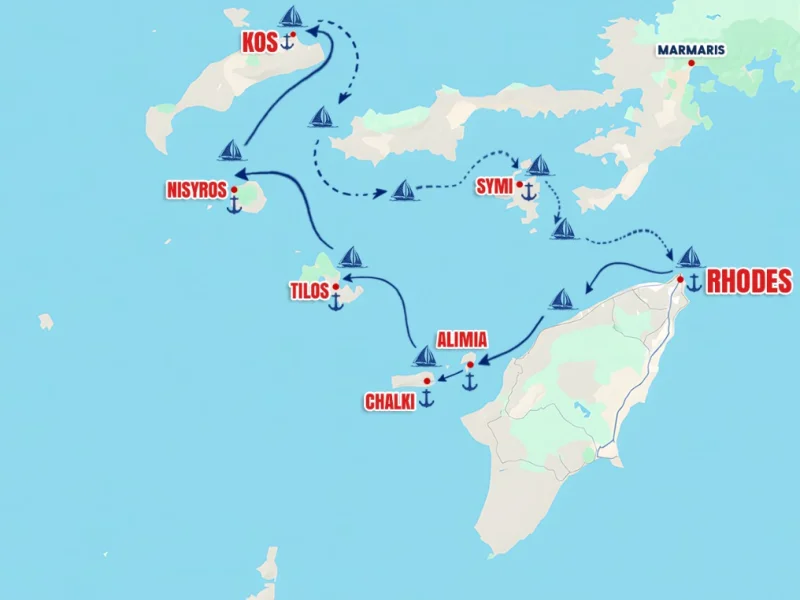
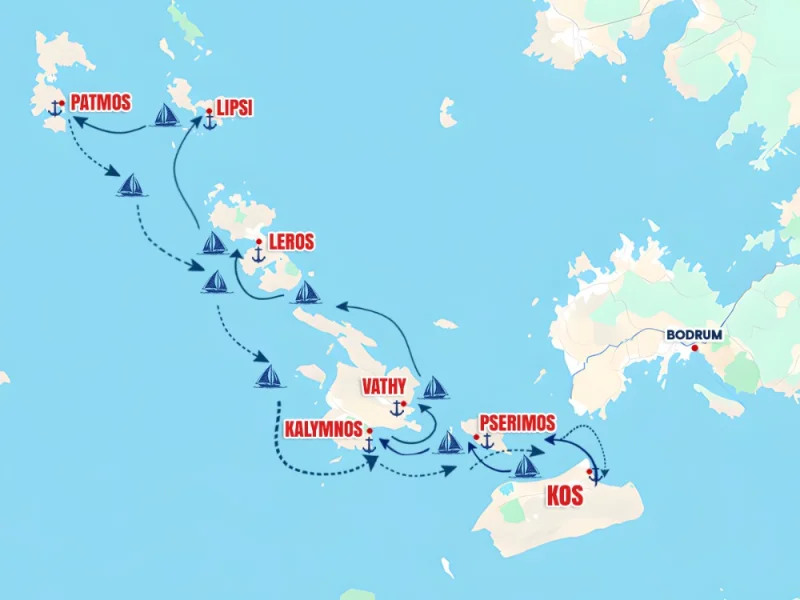
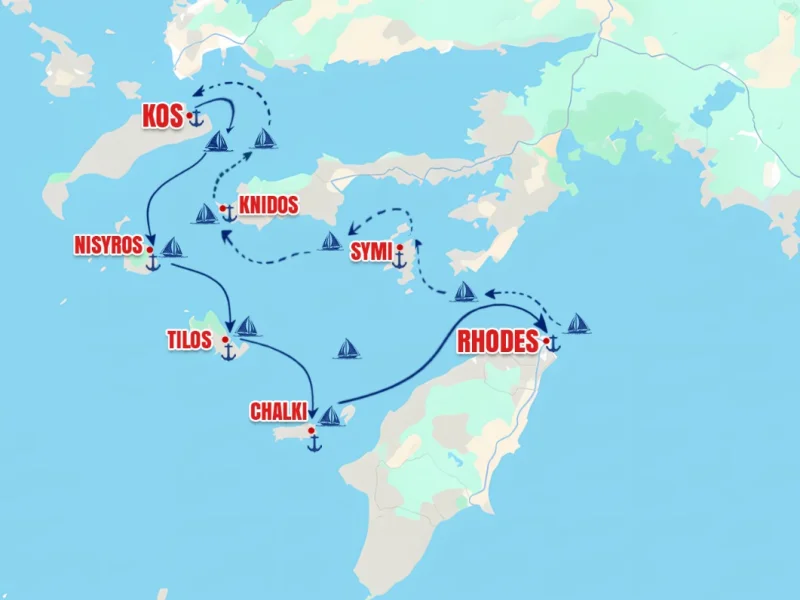
Sail this route and experience a journey designed for you
Turkey: Tepe Mah. 33. sokak Murathan is merkezi kat 2 daire 11, 48700 Marmaris/Mugla