
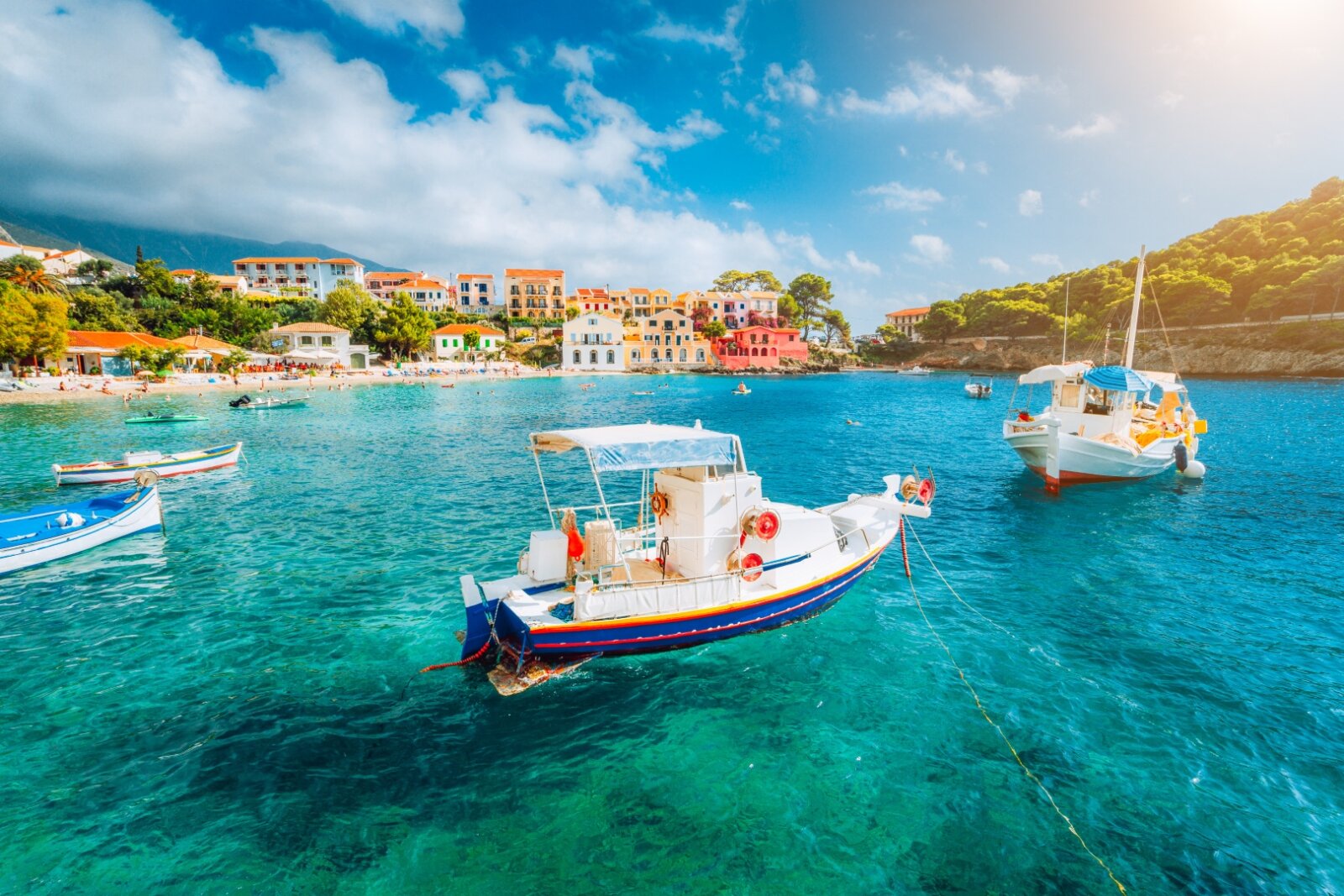
Corfu Yacht Charter: A Broker's Guide to the Ionian's Green Island
Corfu sits apart from the bare, wind-scoured islands of the Aegean. Here the hills run green with olive groves and cypress right down to the shoreline, and the sailing season is shaped by the Ionian Sea rather than the Meltemi. As a base for a private gulet or motor yacht charter, it gives you Venetian architecture in the old town, Albanian mountains visible across the strait, and a run of anchorages south toward Paxos and Antipaxos that most first-time charter guests do not expect from Greece.
This guide covers how to board a yacht in Corfu, where the marinas and quiet bays actually are, what the wind does month by month, and the practical questions guests ask us before signing a contract. It is written from the deck, not from a brochure. For a wider look at how the region compares, see our overview of Greece destinations or browse yachts for charter in Greece before narrowing down to a specific vessel.
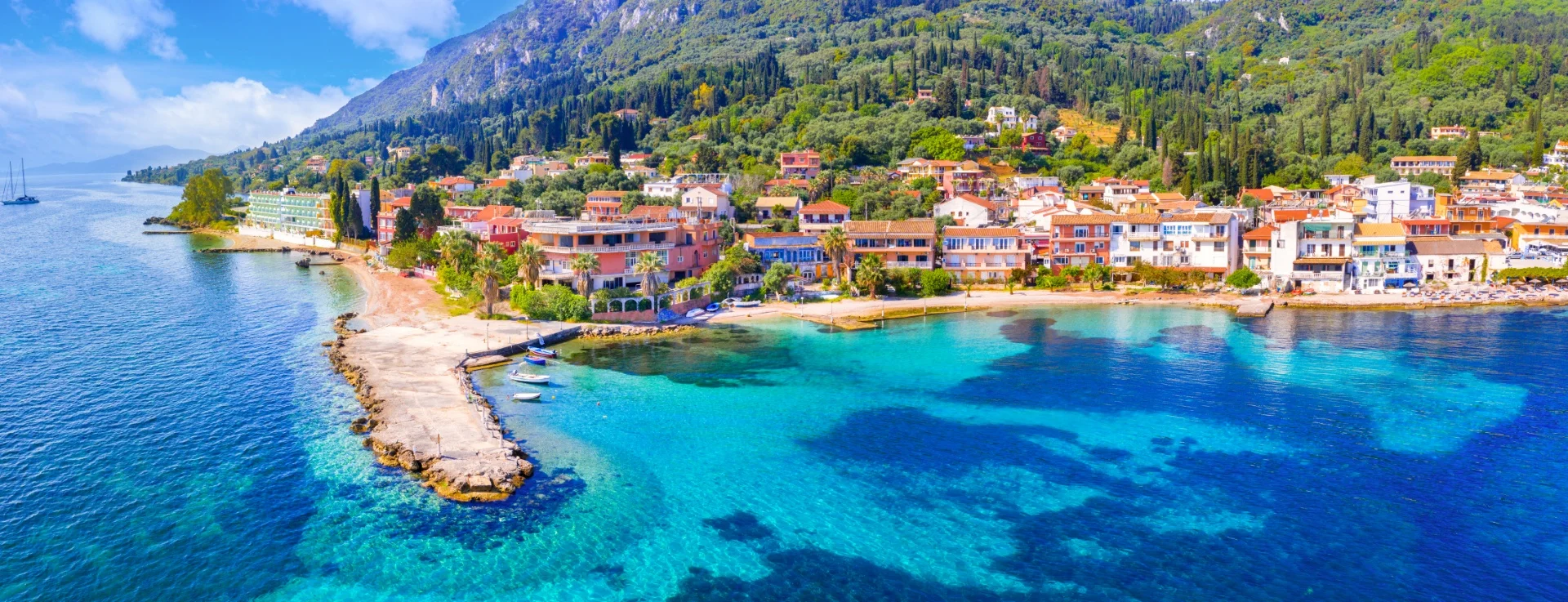
Why Charter From Corfu: The Ionian Sailing Ground Explained
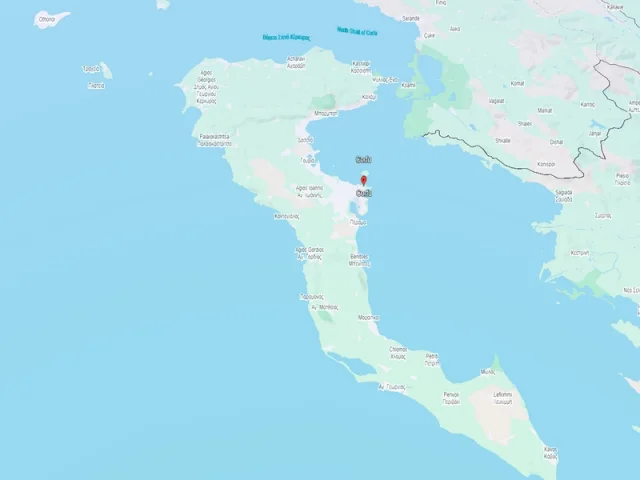
Corfu Town works as a hub because it puts you within a half-day sail of three distinct experiences: the fjord-like channel of the North East Corfu coast toward Kassiopi, the open crossing to Paxos and Antipaxos, and the mainland coast around Parga and the Ambracian approach. Distances between anchorages are short compared to the Cyclades, which suits itineraries built around lunch stops and shore time rather than long open-water legs.
The island's east coast, from Corfu Town up to Kalami and Kassiopi, is sheltered by the Greek mainland and Albania, so the water stays calmer than the exposed west side. Charter skippers based here typically plan clockwise or counter-clockwise loops depending on the week's wind forecast, keeping guests on the lee shore whenever a blow builds. This is one reason Corfu suits guests who want steady, comfortable days aboard a private gulet charter rather than a sportier, wind-driven itinerary.
Navigating Corfu Town: Marinas, Boarding Points and Nearby Anchorages
Most private charters embark at Gouvia Marina, roughly 8 km north of Corfu Town, which has the berthing capacity and depth for larger gulets and motor yachts. Mandraki Marina, tucked beneath the Old Fortress in Corfu Town itself, is smaller and better suited to yachts under 20 metres, but it puts guests directly in the old town for that first-night walk through the Liston arcades.
- Gouvia Marina — main boarding point for larger crewed yachts and gulets, full fuel and provisioning access, roughly 20 minutes by transfer from Corfu International Airport
- Mandraki Marina — inside Corfu Town, walking distance to the Old Fortress and Spianada Square, best for yachts under 20 metres
- Kassiopi — a fishing harbour on the northeast coast, useful as a lunch stop or overnight anchorage rather than a boarding hub
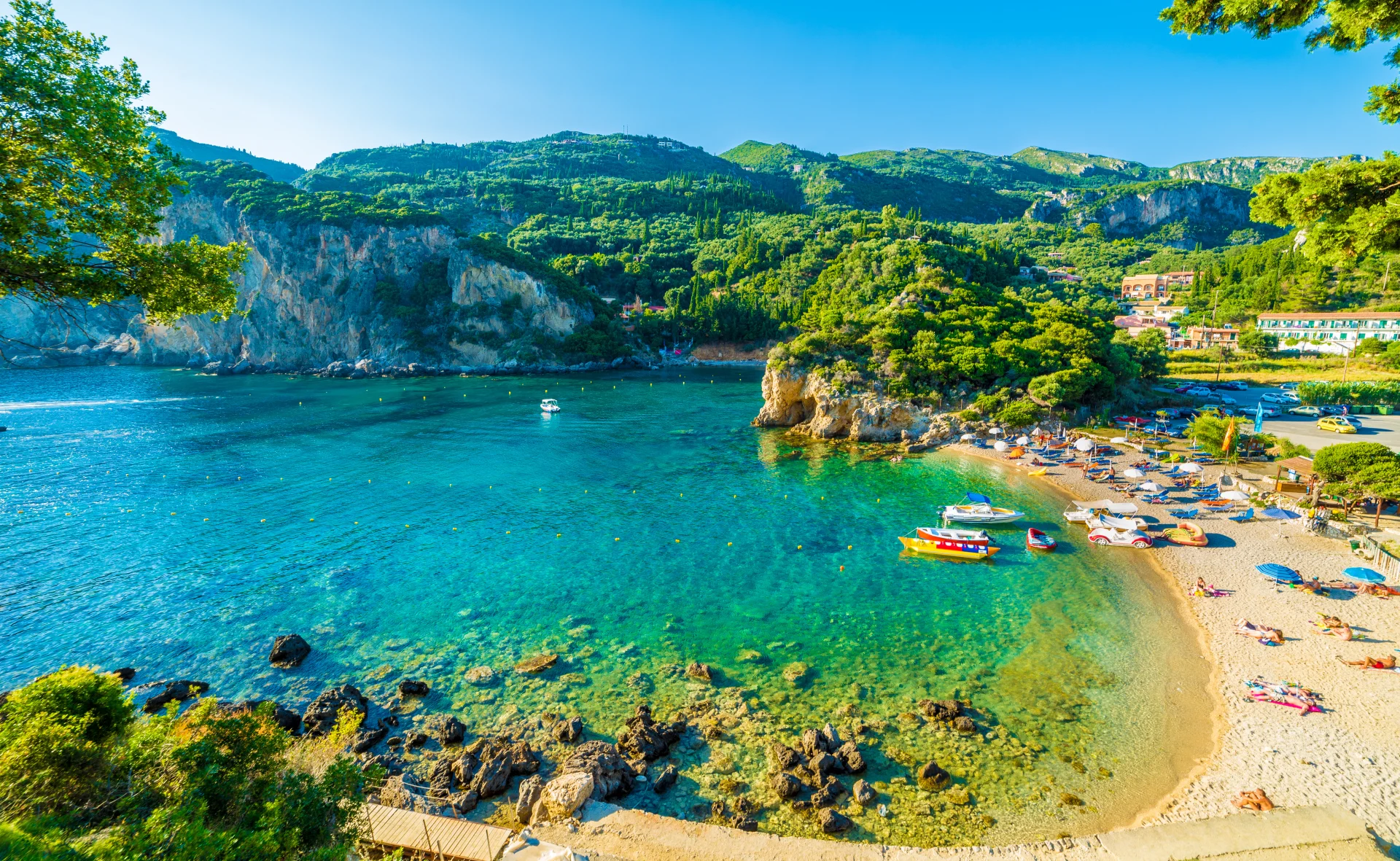
- Paleokastritsa — west coast bay with dramatic cliffs, day-visit only in most wind conditions due to swell exposure
- Lakka Bay, Paxos — the classic overnight anchorage on a Corfu-Paxos run, deep and well protected
- Antipaxos beaches (Voutoumi, Vrika) — daytime anchoring only, no overnight shelter, best visited before midday to avoid the day-tripper boats
A one-week route from Corfu typically runs south to Paxos and Antipaxos, with an option to push on to the Ambracian coast or Parga on the mainland before returning north via Kassiopi and Kalami. Guests who prefer to stay closer to the island can build a shorter loop hugging the sheltered east coast. Both options are covered in detail in our Greece sailing routes collection.
Getting to Corfu & Boarding Logistics
Corfu International Airport (CFU) sits inside Corfu Town, roughly 3 km from Mandraki Marina and 10 km from Gouvia Marina. It receives direct seasonal flights from most major European hubs between April and October, which makes Corfu one of the easier Greek islands to reach without connecting through Athens.
- Nearest airport: Corfu International Airport (CFU), 3–10 km from the marinas depending on boarding point
- Private transfers: arranged directly by the charter broker or crew, typically a 15–25 minute drive from arrivals
- Ferry option: daily connections from Igoumenitsa on the mainland (roughly 1.5 hours) and seasonal links to Paxos and Italian ports (Brindisi, Bari, Ancona)
- Boarding time: standard Saturday changeover, boarding usually from 5:00 PM once the outgoing charter has disembarked and the crew has completed provisioning
- Documents needed: passport for all guests; EU nationals may cross to Paxos and Antipaxos freely, but check the crew's plan if the itinerary extends toward Italian waters
If your travel dates are flexible, flying into Corfu on a Friday and boarding Saturday morning gives the crew time to handle any last provisioning requests, including specific wine or dietary preferences communicated in advance. Guests unfamiliar with how the handover process, crew roles and pricing actually work should read our plain guide to how a crewed yacht charter works before the first call with a broker.
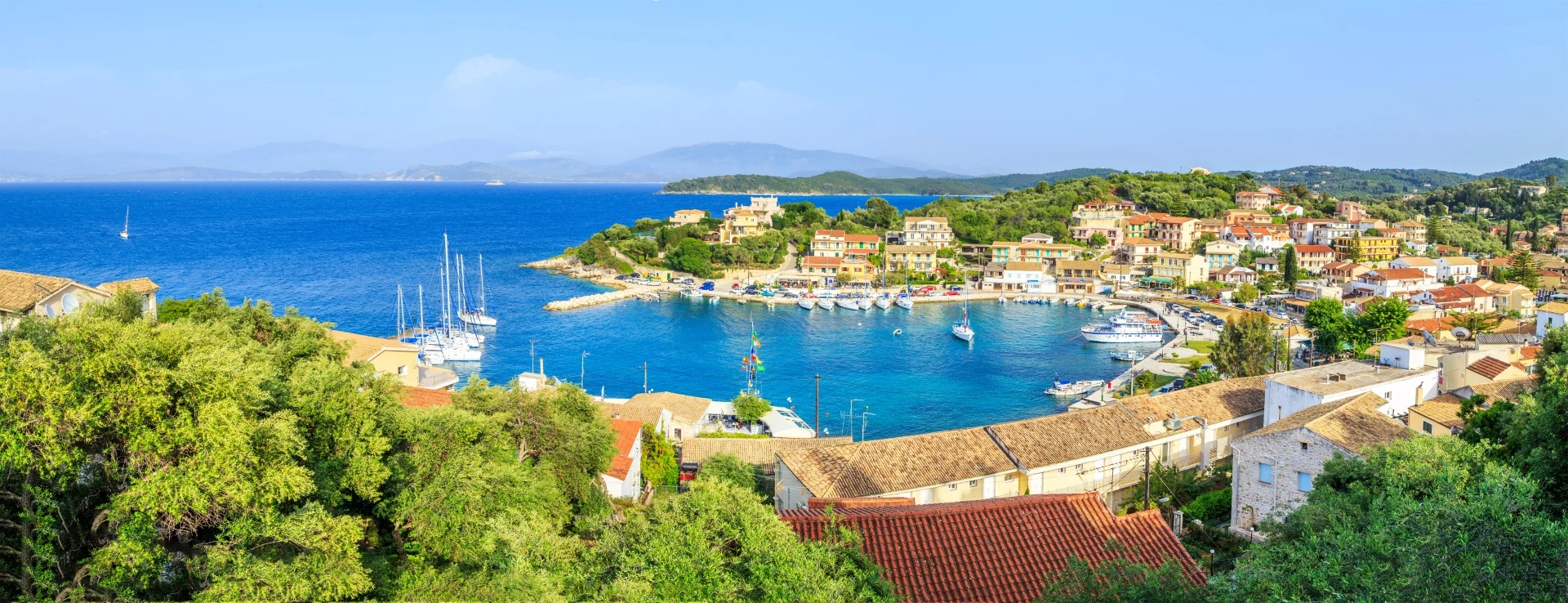
Weather, Winds & Best Time to Charter Corfu
The Ionian does not run on the same clock as the Aegean. There is no dominant summer Meltemi here; instead, afternoons often bring a moderate northwesterly sea breeze called the Maistros, generally lighter than its Aegean cousin, while spring and autumn can see the occasional southerly Sirocco ahead of a front. Mornings are typically calm, which is why most skippers plan longer crossings, such as the run to Paxos, before midday.
| Period | Typical Conditions | Best Suited For |
|---|---|---|
| May – June | Light to moderate winds, warm days, sea still cool | Families, first-time sailors, fewer crowds |
| July – August | Afternoon Maistros breeze, warm sea, peak anchorage traffic | Groups wanting reliable sun and full swimming heat |
| September | Settled conditions, warm sea, thinning crowds | Couples and experienced sailors, arguably the best window |
| October | Increasing chance of Sirocco fronts, cooling temperatures | Late-season charters, shorter daily legs recommended |
September is the month most Corfu-based skippers we work with quietly prefer for themselves: the water is at its warmest after a full summer of heating, the anchorages at Antipaxos have thinned out, and the wind is consistent enough for good sailing without the mid-August crowding around Lakka. For a broader seasonal comparison across the Mediterranean, our guide on the best time to charter a gulet lays out month-by-month conditions region by region.
What a Private Charter Includes When Sailing From Corfu
Every charter booked through Guletbroker is a fully crewed vessel, never a shared cabin or per-person berth. The weekly rate covers the yacht, captain, and crew, along with fuel for a standard number of running hours, port and mooring fees at overnight anchorages, and use of onboard water toys such as paddleboards or a tender. Food, drink, and any marina fees at premium locations like Mandraki are typically handled through an Advance Provisioning Allowance (APA), a separate float managed by the crew and settled with receipts at the end of the week.
Guests new to this pricing model often assume it works like a hotel package; it does not. The distinction between base charter fee and APA is one of the most common sources of confusion, and it is worth reading through carefully before comparing quotes. Our breakdown of gulet charter prices explains exactly what is and is not included on a typical week.
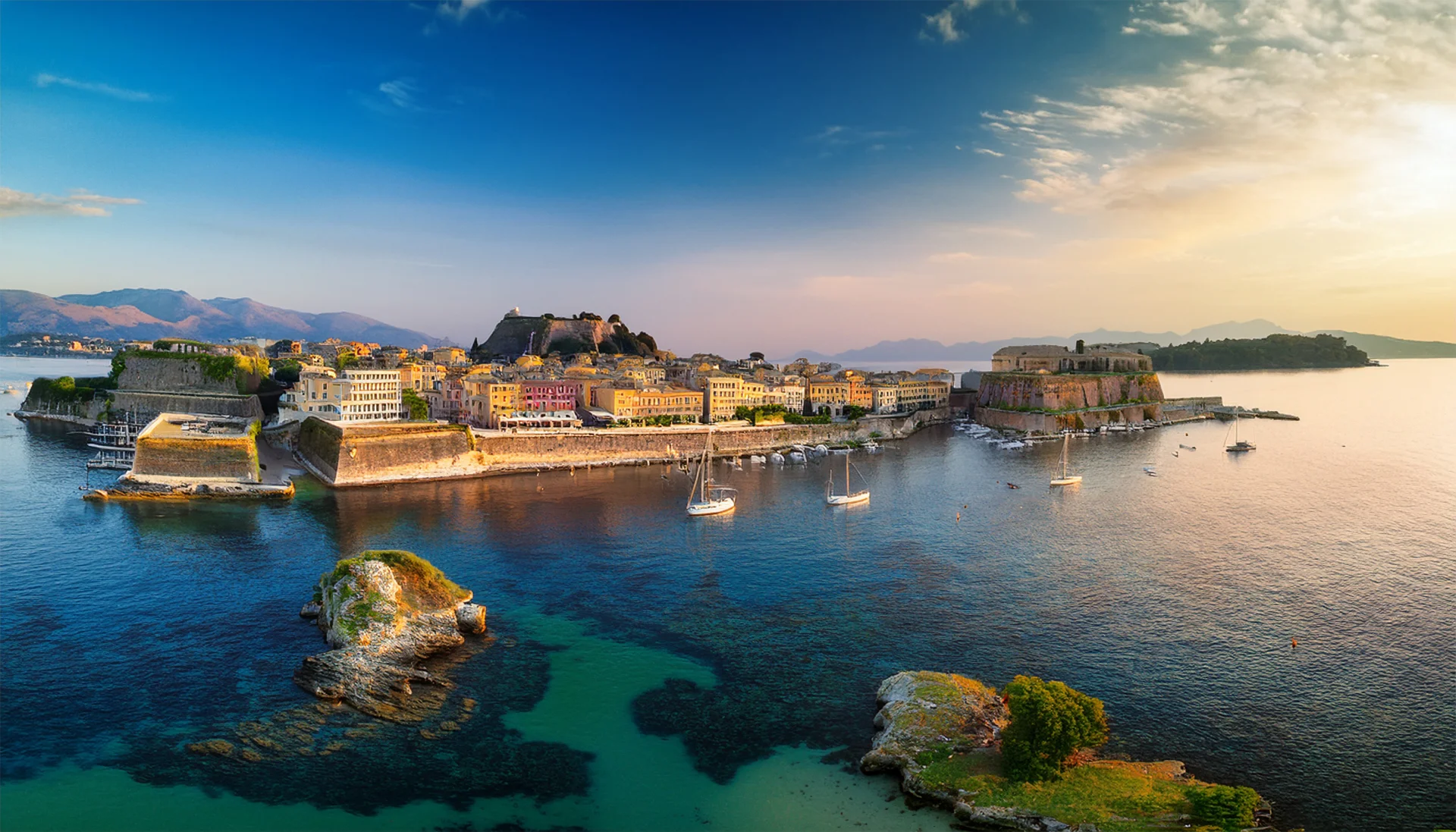
Broker's Tip
If your week falls in late July or August, ask the captain to reach Antipaxos before 10:30 AM. By early afternoon the beaches at Voutoumi and Vrika fill with day-tripper boats out of Gaios and Lakka, and the anchorage gets crowded fast. A crew that knows the ground will instead hold you overnight in the calmer bay at Mongonissi, south of Gaios on Paxos, then push you across to Antipaxos at first light the next morning while the water is still glassy and the beach empty.
Frequently Asked Questions
Do I need a passport to sail from Corfu to Paxos and Antipaxos?
No border crossing is involved since Paxos and Antipaxos are Greek islands within the same customs zone as Corfu. A passport is still recommended for identification, particularly if your itinerary later extends toward mainland ports or an international crossing such as Italy or Albania.
What is the APA and how is it settled at the end of the charter?
The APA is a cash float, usually 25-30 percent of the base charter fee, paid before the trip and held by the crew for fuel above the standard allowance, food, drink, marina fees, and any extras arranged during the week. The chief steward or captain keeps receipts throughout and presents a full accounting on the last day, refunding any unspent balance.
Can I board at Corfu Town instead of Gouvia Marina?
Yes, if the yacht's size allows it. Mandraki Marina inside Corfu Town accepts vessels up to roughly 20 metres and puts you within a short walk of the old town on embarkation day, whereas larger gulets and motor yachts generally need the deeper berths and fuel access at Gouvia.
How rough does the sea get around Corfu compared to the Aegean?
The Ionian is noticeably calmer than the Aegean through peak summer, since it does not experience the strong, sustained Meltemi that builds across the Cyclades and Dodecanese. Corfu's afternoon breeze rarely forces a full itinerary change, though the west coast around Paleokastritsa can pick up swell that keeps anchoring there to daytime visits only.
Is Corfu a good base for a family charter with young children?
Yes. Short sailing legs, sheltered water on the east coast, and calm mornings make it more forgiving than open Aegean crossings. Crews regularly plan around nap times and swimming stops at shallow, sandy bays such as those near Kalami rather than pushing long distances each day.
Should I compare Corfu to other Greek charter bases before deciding?
It is worth doing, since each base suits a different sailing style. Rhodes destinations and Kos destinations put you in the Dodecanese with a stronger Meltemi and more open water, while Athens destinations gives faster access to the Saronic and Cycladic islands. Corfu remains the calmer, greener option, and if you are also weighing destinations outside Greece entirely, it is worth a quick look at what explore Turkey destinations and explore Croatia destinations offer for comparison.
Planning Your Week Aboard a Private Gulet From Corfu
Corfu rewards guests who want scenery variety without long transits: Venetian streets on day one, forested coastline on day two, a French-influenced harbour town on Paxos by midweek, and a quiet swim stop at Antipaxos before heading home. It suits couples on a honeymoon week as easily as it does a multi-generational family group, and the shorter hop distances mean less time underway and more time at anchor. Guests planning a romantic week specifically may also want to see our notes on a Greece honeymoon yacht charter for cabin and privacy considerations.
Whatever the group size, the process starts the same way: matching the right hull length and cabin layout to your guest list and dates, then building the route around that week's forecast rather than a fixed template. Browse explore our full fleet or speak with a broker directly to check availability for a Corfu boarding this season.
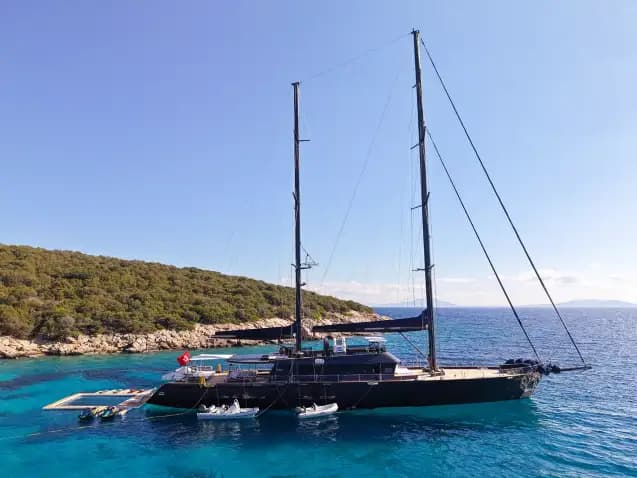
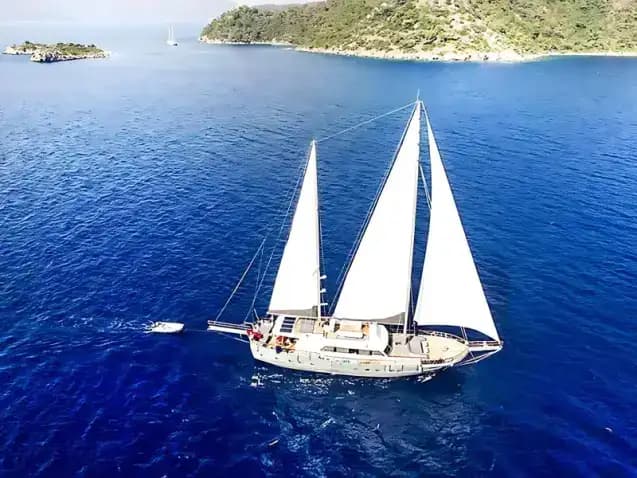
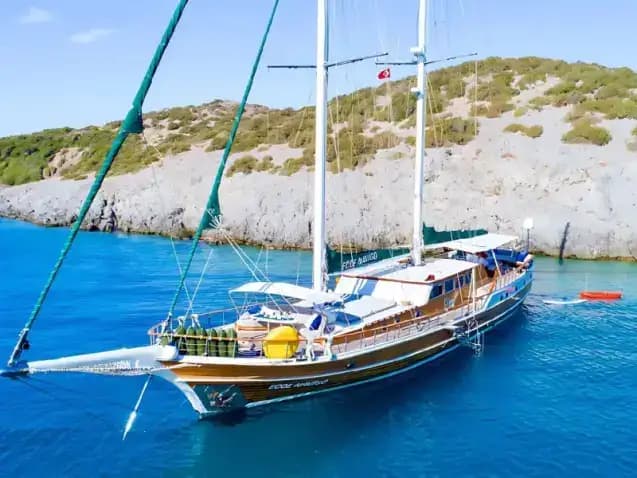
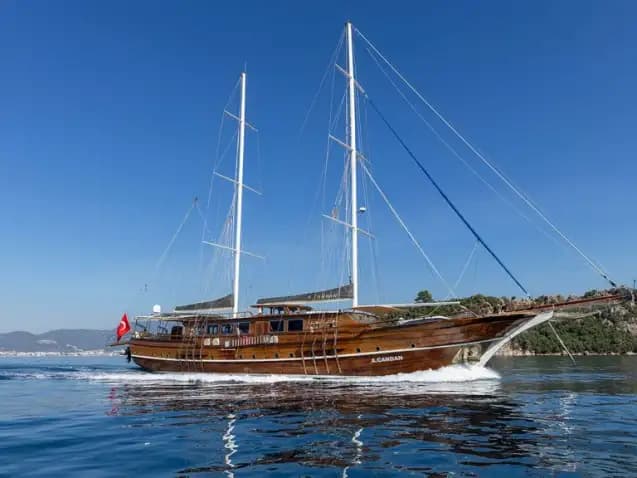
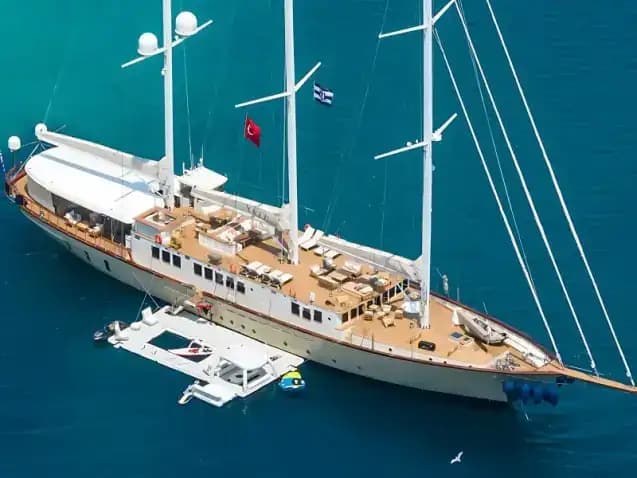
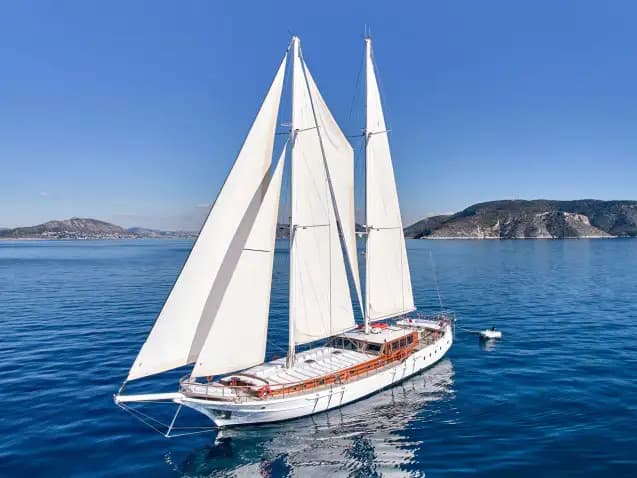
Sail this destination aboard one of our handpicked Corfu gulets
Discover Corfu featured yachts perfect for your journey
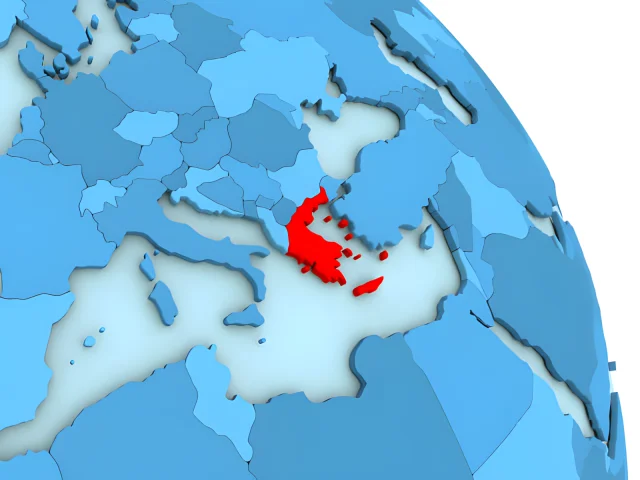
Charter this route with our expertly selected gulets
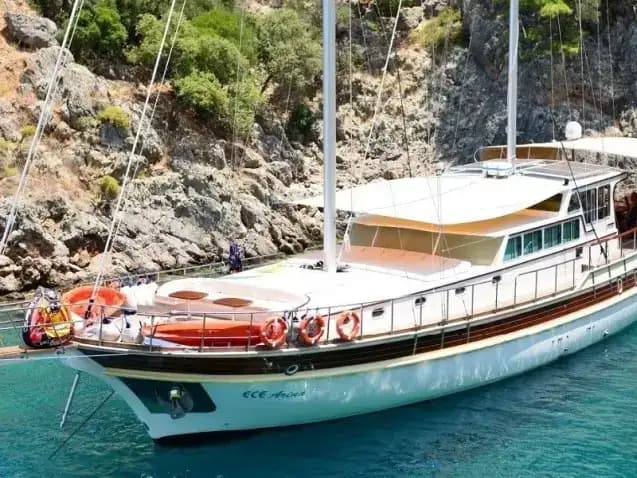
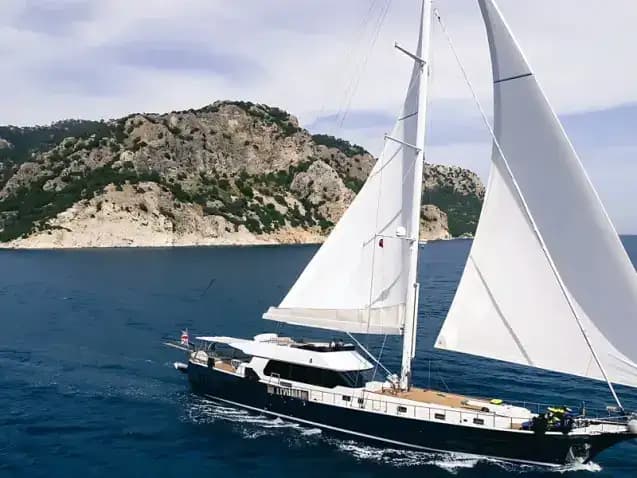
Explore one of our carefully crafted Corfu itineraries
Discover Corfu sailing routes perfect for your next adventure
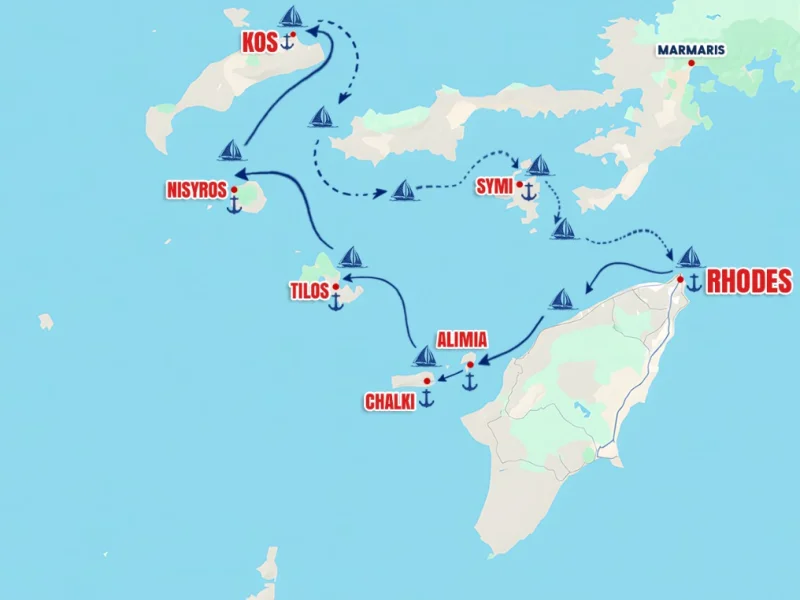
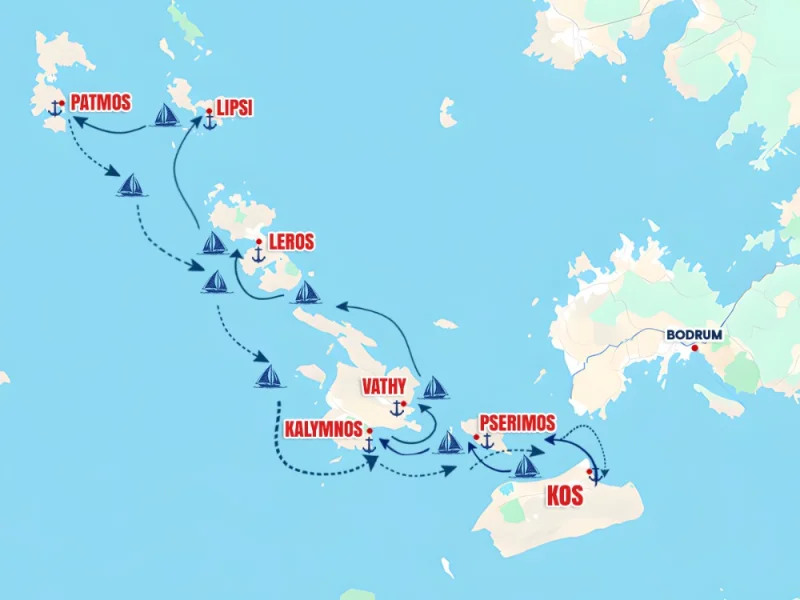
Sail this route and experience a journey designed for you
Turkey: Tepe Mah. 33. sokak Murathan is merkezi kat 2 daire 11, 48700 Marmaris/Mugla